Argentina’s Rising Stars: Can the U20 Finalists Shape the Albiceleste’s Future?

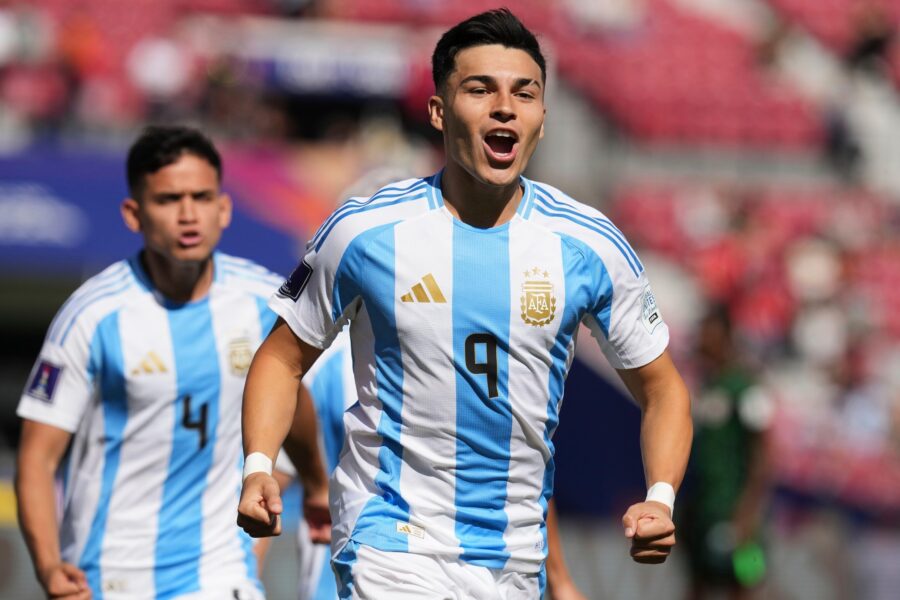
The U20 World Cup is one of over 190 elite competitions included in the Wyscout Youth Pack. We pick out Argentina’s standout talents from the tournament.
Between 1995 and 2007, Argentina’s record at youth level bordered on dynastic. In that 12-year stretch, the Albiceleste won five of seven FIFA Under-20 World Cups, a staggering run that defined an era. Names like Juan Román Riquelme, Pablo Aimar, Javier Saviola, Lionel Messi and Sergio Agüero became shorthand for a system that seemed to endlessly produce world-class talent. For more than a decade, Argentina set the standard in youth football.
Though Argentina would ultimately fall in this year’s final to an outstanding Moroccan side, it was surprisingly their first time beyond the quarterfinals since that last title in 2007, and so a first final in 18 years shouldn’t be disregarded. In many ways, the process felt more significant than the result.
After a long period of fluctuation and frustration, this was the clearest indication yet that Argentina’s youth pathway is functioning again – a cohesive playing identity and a generation of players who look capable of serving the senior side in the years to come.

Following in the Footsteps of ‘07
The 2007 triumph in Canada was the last great chapter of that golden age. Sergio Agüero finished as both top scorer and Golden Ball winner, Sergio Romero went on to be Argentina’s most-capped goalkeeper, and Ángel Di María would help deliver Olympic gold, two Copa Américas, and finally the World Cup. Around them were players like Ever Banega, Papu Gómez, Federico Fazio, and Gabriel Mercado, all of whom carved out significant professional careers. This was a team defined not just by youth excellence, but by its capacity to convert promise into performance - the often elusive bridge between potential and reality.
The hope for Argentina is that this year’s U20 side can follow in those footsteps. For the first time in over a decade, La Albiceleste looked not only competitive, but coherent. There was a visible structure to their play - high technical attributes, comfort in possession, positional intelligence - qualities that were a product of process, not chance.
It’s also reflective of a wider shift at national level. Argentina’s youth pathway, which had perhaps grown complacent and certainly underfunded, has undergone a quiet renewal.
The Argentine Fútbol Asociación (AFA) has rebuilt its structure from within, not only aligning youth and senior tactical frameworks, but handing that responsibility to former U20 champions who understand from experience what a functioning pathway requires.
Lionel Scaloni, Pablo Aimar, Walter Samuel and Diego Placente - all graduates of Argentina’s U20 successes - now form the backbone of the national coaching setup. Their shared philosophy and first-hand understanding of what elite development looks like have restored a sense of continuity and purpose that had long been missing. A first U20 final in almost two decades feels like proof of concept.

And for this group of players, it will hopefully prove only the beginning. Strong tournament performances have immediate consequences. For some, it accelerates senior minutes or sparks interest from overseas; for others, it reaffirms that the country’s youth production line is once again structured and reliable.
Hudl Wyscout and its Youth Competitions Pack have amplified that visibility. Tournaments such as the U20 Sudamericano, CONMEBOL Libertadores U20 and COTIF tournament now offer scouts full-match video and data on every player, transforming how clubs evaluate emerging prospects. While for regions with limited coverage of their youth football, such as beaten U20 semi-finalists Colombia, these international competitions provide unique opportunities for players to demonstrate their talent to a wider audience.
As for Argentina, the momentum from the U20 run has already begun to shape transfer conversations and development pathways. As scouts and clubs re-evaluate this current crop, four clear categories emerge - each reflecting a different route from promise to professional opportunity.
1. Domestic Players Ready to Move Abroad
This is always the category that captures the most attention, whether it be in scouting circles, across social media, or in barroom conversation. Everyone wants to be the first to spot the next big thing.
For Argentina’s U20 finalists, a handful of players perhaps made that leap. Maher Carrizo was hardly unknown after his five goals powered Vélez Sarsfield through to the CONMEBOL Libertadores quarter-finals this year, yet producing on the U20 World Cup stage will only have drawn greater attention.

A versatile, attacking live-wire with a terrific left foot, clips of Carrizo show that he can carry the ball, create and score from a variety of positions. 3.09 xG+A in Chile saw the 19-year-old among the top forwards and while Vélez will be glad to have him back, one of Argentina’s most prolific selling clubs will know he won’t be around for long.
He’s far from the only one to have enhanced his reputation. Milton Delgado left the tournament with the Bronze Ball and has since stepped straight back into the Boca Juniors midfield.
Wyscout video shows Delgado to be an outstanding ball-winner with the positional awareness to snuff out attacks, who also possesses an often-underrated composure in possession. Comfortable creating space for himself to find passes, his two World Cup assists underlined just how progressive a deep-lying midfielder he can be. Yet to establish himself as a regular at La Bombonera, clubs from afar are already beginning to circle.

Tobías Ramírez was a player we’d already highlighted following the U20 Sudamericano, and his performances in Chile only reaffirmed that early impression. A pre-tournament injury prevented former centre-back partner Juan Giménez from joining him at the heart of La Albiceleste’s defence, but whoever lined up alongside the Argentinos Juniors talent, Ramírez remained unflustered.
Powerful and dominant in the air when defending the penalty box, anticipatory enough to step high and intercept, all while passing out from the back with composure and clarity, the 18-year-old displayed a maturity well beyond his years. Ramírez has all the characteristics to play at the very top.
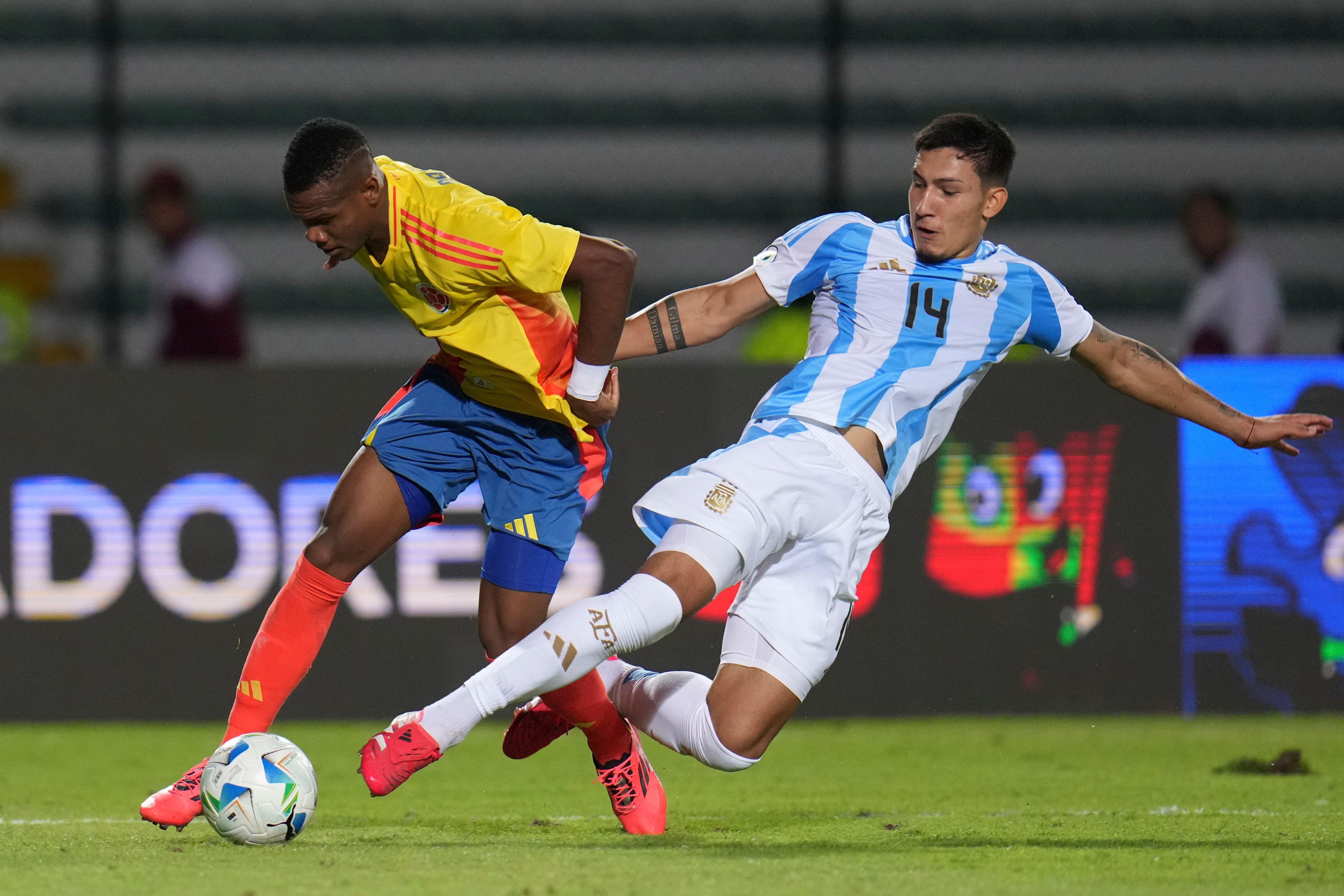
And so too, perhaps, does Ian Subiabre, who may not have had the platform to fully showcase his talent from a largely substitute role, yet still managed to find the net twice. A fleet-footed winger with an instinct for goal, the 18-year-old might well have featured more given River Plate’s struggles this season. A recently resolved contract standoff should help that situation, but it’s unlikely to deter the growing list of suitors already well aware of Subiabre’s ability.
Strong tournament showings like these have inevitably pushed Argentina’s brightest talents into the European shop window. The archetypal modern South American exports: relatively low-risk, high-upside profiles suited to developmental environments. With Wyscout, the video coverage makes spotting this easier than ever.
2. Domestic Players Primed to Break Through at Home
Not every standout from Argentina’s U20 squad is immediately destined for Europe, some are still in the process of proving themselves at senior level. While they may not yet have done enough to make scouts sit up, they could have earned the trust of their domestic clubs for consistent first-team minutes.
For Argentina, their emergence reflects another layer of the youth development strategy: producing talent capable of bridging the gap between promising U20 stars and dependable domestic professionals.
Dylan Gorosito was unquestionably one of those for Diego Placente, but at club level has had three senior right-backs ahead of him in the pecking order and as such hasn’t featured since his 2024 first team debut. The 19-year-old’s World Cup performance may have just forced a rethink at Boca Juniors.


Midfielders Valentino Acuña of Newell’s Old Boys and Tobías Andrada of Vélez have both gained first team minutes this season and after successful tournaments will be aiming to build on that now.
Lesser known prior to the tournament, these players may not be ready for Europe just yet, but their immediate goal should now be consistent playing time. For scouts taking notice, video access ensures their progress can be tracked closely.
3. European-Based Players Whose Reputations Rose
This group have already had their ‘breakthrough’, earning moves to Europe ahead of the tournament. Yet for all, the step abroad has so far been more about potential than proof. In Chile, they reminded everyone - including their parent clubs - why that early faith was placed in them. The U20 World Cup offered a timely showcase of their talent and a chance to reassert themselves, hopefully opening the door to greater opportunities.
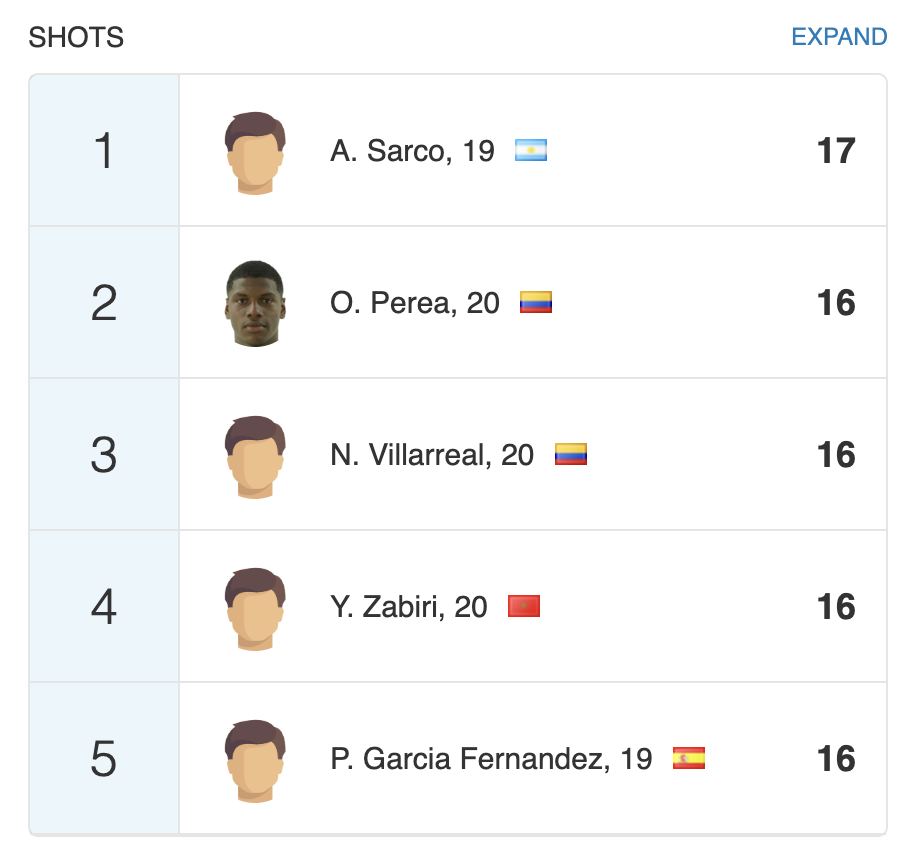
Alejo Sarco’s acrimonious exit from Vélez Sarsfield, leaving his boyhood club as a free agent to join Bayer Leverkusen after barely breaking into the first team, had made the 19-year-old something of a forgotten man. His four goals at the World Cup, just one shy of the tournament’s leading scorers, served as a sharp reminder of his quality and potential.
Watching his highlights on Wyscout demonstrates Sarco’s intelligent movement, burst of pace for separation and a wide variety of finishes.
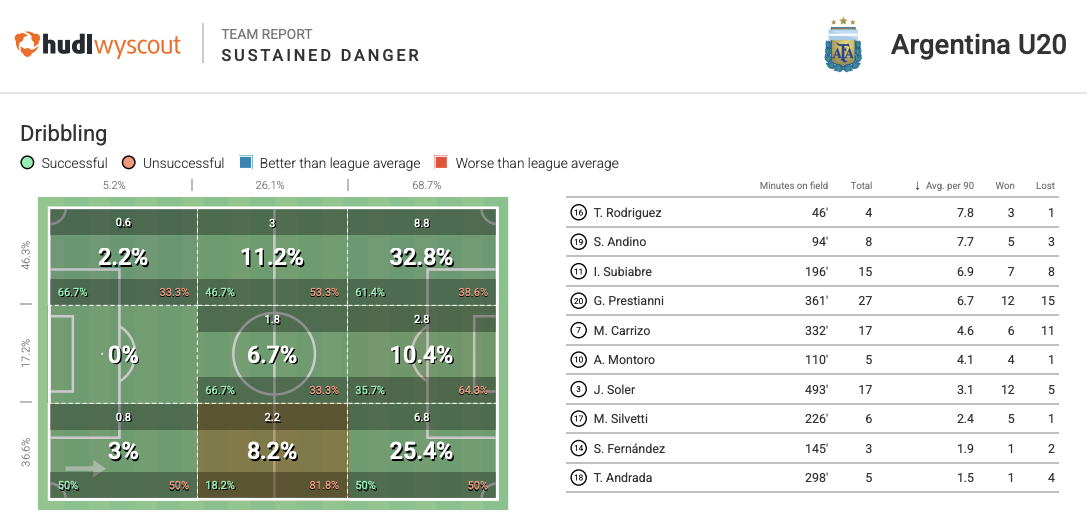
Former Vélez teammate Gianluca Prestianni has followed a similar path, albeit one which took him to Benfica for a decent fee in 2024. A transfer which came after the teenager had become the youngest ever Vélez debutant and appeared to have all the momentum associated with the next big thing. The European leap hit the brakes and Prestianni began the World Cup from the bench but soon worked his way into Placente’s plans.
An electric dribbler, there is an excitement when Prestianni gets on the ball in the knowledge that he will always try and make something happen. The stats back up the video, putting the Benfica winger in the top five players for dribbles and progressive runs and obviously impressed Lionel Scaloni, earning a call-up to Argentina’s senior squad for the upcoming November friendlies.

Global scouts’ attention is focused on South America, Argentina, and youth competitions more than ever. Increased visibility on Wyscout levels the playing field, allowing even smaller clubs to monitor talent in detail and make more informed decisions when recruiting young players.
And with the U17 World Cup underway, several members of Argentina’s squad are already being monitored and the same trends that exist at U20 level look set to continue with this age group too.
Looking back to 2007–2025, one can’t help but make a comparison. Argentina’s youth system is producing a generation capable of bridging promise and professional impact. Not everyone from this U20 squad will make it to the senior team, but the video, data, and environment suggest that a few could continue the now-established pathway and form the Albiceleste’s backbone in the future.
If you want to find out more about how to use Hudl Wyscout for your scouting, recruitment, and talent evaluation workflows, click here.
Find out more about the Youth Competitions Pack.
Follow Golazo on X.