

In this article, we explore how South America’s premier competition is shaped by external transfer trends as it reaches the crucial knock-out phase.

20-year-old Jair Cunha only arrived from Santos at the start of 2025 after shining for Brazil’s under-20s but showed why he is considered one of the best defensive prospects in the country. At 6’6”, Jair Cunha is dominant in the air and technically sound with both feet – passing the eye test when reviewing his performances on Hudl Wyscout. As with their 2023 move for Murillo, Forest have done their homework and acted quickly.
Losing core players mid-campaign can unravel even the most well-drilled side, but Botafogo haven’t stood still. In response to the exits, the club have acted quickly, bringing in a quartet of players with pedigree, potential, and a point to prove.
Danilo returns to Brazil after a mixed spell in England with Nottingham Forest. Once a key cog in Palmeiras’ 2021 Libertadores-winning side, the midfielder brings ball-winning bite and composure in possession. At 23, he still has upside but more importantly, he knows what it takes to navigate this tournament.
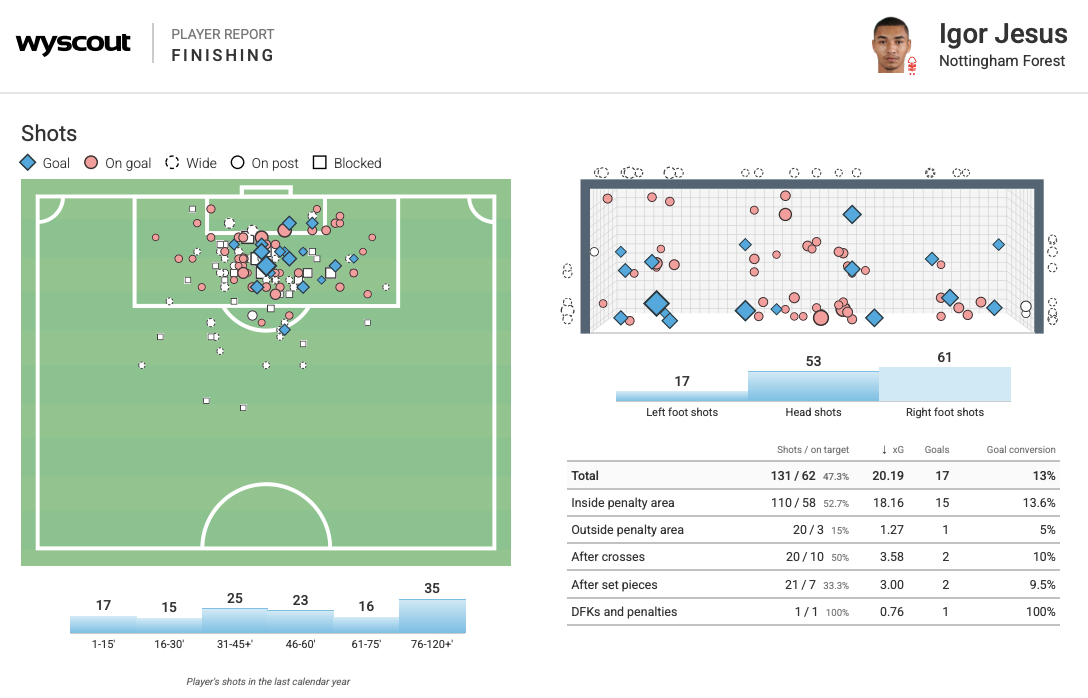
Arthur Cabral, the former Fiorentina and Benfica striker, arrives to help fill the goalscoring void left by Igor Jesus. A penalty box forward with a proven record in European and South American competitions, his ability to lead the line and occupy defenders will be central to how Botafogo retools their attack.
Out wide or in advanced midfield positions, Jordan Barrera, the explosive Colombian, adds verticality and one-v-one threat. A breakout star at the under-20 Sudamericano with Colombia, Barrera offers unpredictability and directness - traits that could stretch deeper-block teams in the knockout rounds.
Finally, Argentine forward Joaquín Correa offers experience, guile, and versatility. At 31, he's a savvy addition who can play anywhere across the front line or in behind the striker. Injuries have limited his consistency in recent years, but his quality is not in doubt.
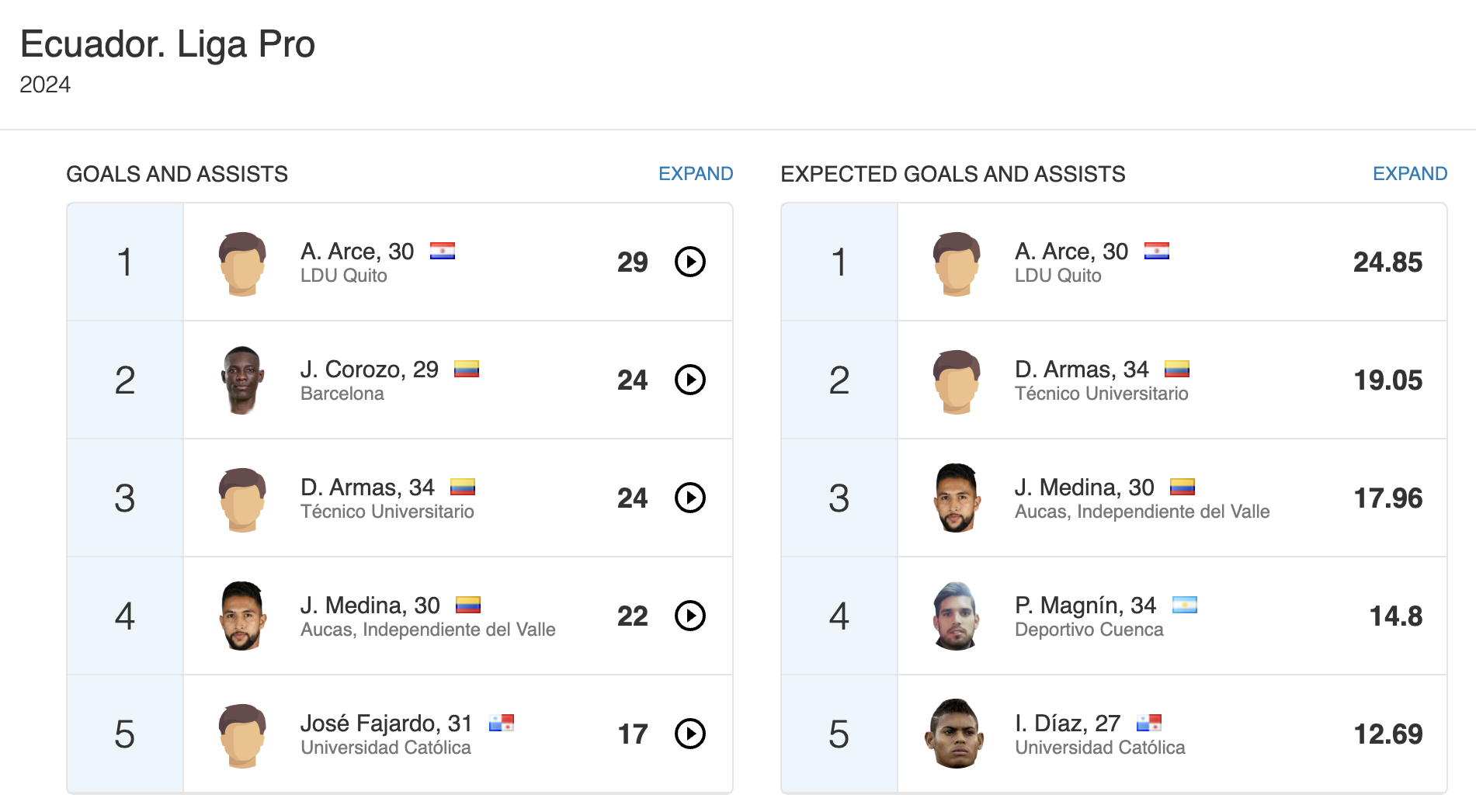
In the last 16, Botafogo face Liga de Quito, a respected opponent who topped a group including Flamengo, but one they’ll be expected to beat. The Ecuadorians sold their most prolific scorer, Alex Arce, who scored 42 goals in 65 games before rejoining Independiente Rivadavia. His replacement, Jeison Medina, will be required to greatly improve his goal tally. The tie avoids some of the more tricky potential opponents on paper, but a first-leg trip to Quito’s altitude and LDU’s tournament pedigree means Ancelotti’s side can’t afford complacency.
The Lure of Brazil: Traditional Giants Strengthen with European Talent
Brazilian clubs have dominated the Libertadores landscape in recent years, a trend that shows no signs of slowing. Each of the last six champions — and 10 of the last 12 finalists — have hailed from Brazil.
The relative strength of their economy, the health of the domestic league, and the chances of continental success have made them an attractive destination for European-based players to play at a high level, boost their profile and still be paid well.
This growing tendency has been best demonstrated by Flamengo. Despite an underwhelming group stage, where they suffered a shock home defeat to Argentine minnows Central Córdoba, they currently sit atop the Brazilian league and have been the most aggressive side in the transfer market.
The big-money departures of Gerson to Zenit and Wesley to Roma have cost them two first-team regulars, but the reinvestment has been swift and ambitious. Jorginho, Saúl Ñíguez, Emerson Royal, Samuel Lino, and Jorge Carrascal all bring proven top-level experience all over the pitch, while talks continue over a potential move for Fiorentina striker Lucas Beltrán.
It’s a reshuffle that adds depth and pedigree but also brings questions of chemistry, with limited time to gel before the real tests begin. And that test has come sooner than expected with arguably the standout tie of the round of 16 against fellow Brazilians Internacional. It’s a fixture that feels more like a semi-final than an early knockout round, and one that guarantees at least one heavyweight will exit far earlier than expected.
Palmeiras: Victims of their Own Success?
Despite the pull and power of Brazil’s top clubs, the European transfer window can nevertheless still weaken even some of the top clubs in the Libertadores – delivering a significant blow to their chances of success just when it matters most.
Palmeiras have been a model of continental consistency and are chasing their fourth Libertadores crown after finishing the group phase with a perfect record.
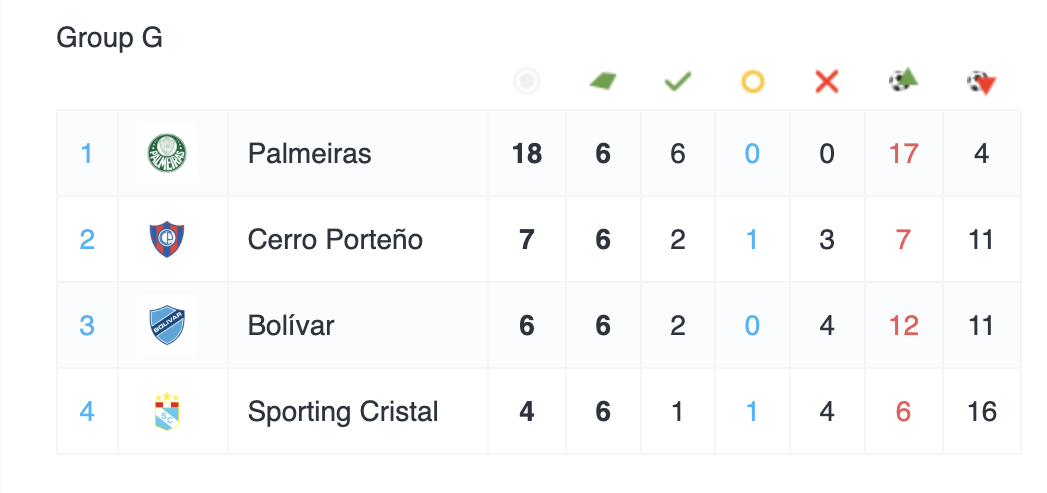
The Verdão cruised through the group stage with six wins from six under Abel Ferreira, a manager who knows exactly what it takes to win this competition and who, remarkably, is now approaching five years in charge — a rare show of stability in the often turbulent world of South American football.
Yet despite their flawless start, the mid-year window has posed challenges. The club made a major splash at the start of the year with the big money arrivals of Vitor Roque, Paulinho, and Facundo Torres, but none have yet truly exploded and the summer has brought high-profile departures. Rising star Estêvão, the club’s leading scorer in this year’s Libertadores with four goals, has finally completed his long-anticipated move to Chelsea, while dynamic midfielder Richard Ríos earned a transfer to Benfica after impressing at the Club World Cup.
Indeed, the addition of this new tournament to the schedule could add a further dynamic to the transfer window, elevating the profile of top South American players and acting as another shop window that strips star talent away just before the Libertadores knock-out stages.
In terms of reinforcements, winger Ramón Sosa is the only significant arrival so far. Signed from Nottingham Forest, the Paraguayan brings pace, directness, and a strong one-v-one threat out wide. But with depth tested by summer exits, there’s a sense Palmeiras could still dip back into the market before the window closes.


Given the exciting prospects on display, the Libertadores remains an excellent competition to scout rising talent – with all games available on Hudl Wyscout’s comprehensive video library, along with multiple other CONMEBOL adult and youth competitions.
Reinvesting the War Chest
While losing top talents during the European transfer window has become an inevitability for many Libertadores clubs, it can represent an opportunity to significantly bolster your squad for a proper tilt at the title — and, in some scenarios, weaken a rival while you’re at it.
Case in point is River Plate. Perhaps – but only just — River Plate remain the one non-Brazilian side with the financial muscle to compete at the highest level. The recent sale of teenage sensation Franco Mastantuono to Real Madrid added another massive injection of cash to a club that’s become increasingly adept at monetising its academy pipeline. That financial flexibility has allowed River to operate in a way no other Argentine club realistically can.
The Millonarios somewhat controversially triggered the release clause of Maxi Salas from Racing Club to bolster their front line, and the return of fan favourite Juan Fernando Quintero offers a familiar creative spark. They have also used the Mastantuono funds to add further depth to bring in no-nonsense centre back Juan Carlos Portillo and tireless midfielder Matías Galarza, both from Talleres. What’s more, the emergence of young home-grown prospects Santiago Lencina, Juan Cruz Meza and Bautista Dadín have added fresh impetus too.
Whether those moves are enough to elevate Marcelo Gallardo’s side, still searching for attacking fluency, remains to be seen, but River’s ceiling remains as high as anyone’s outside Brazil.
River’s path to the quarter-finals looks manageable, with a round of 16 tie against Paraguay’s Libertad that they’ll be expected to navigate without too much trouble. But as last year’s semi-final loss to Atlético Mineiro made painfully clear, the real test for Gallardo’s side comes when they face Brazilian opposition. It’s in those high-stakes matchups that River must prove they’ve truly closed the gap.
Intelligent Use of Loan Moves and Free Transfers
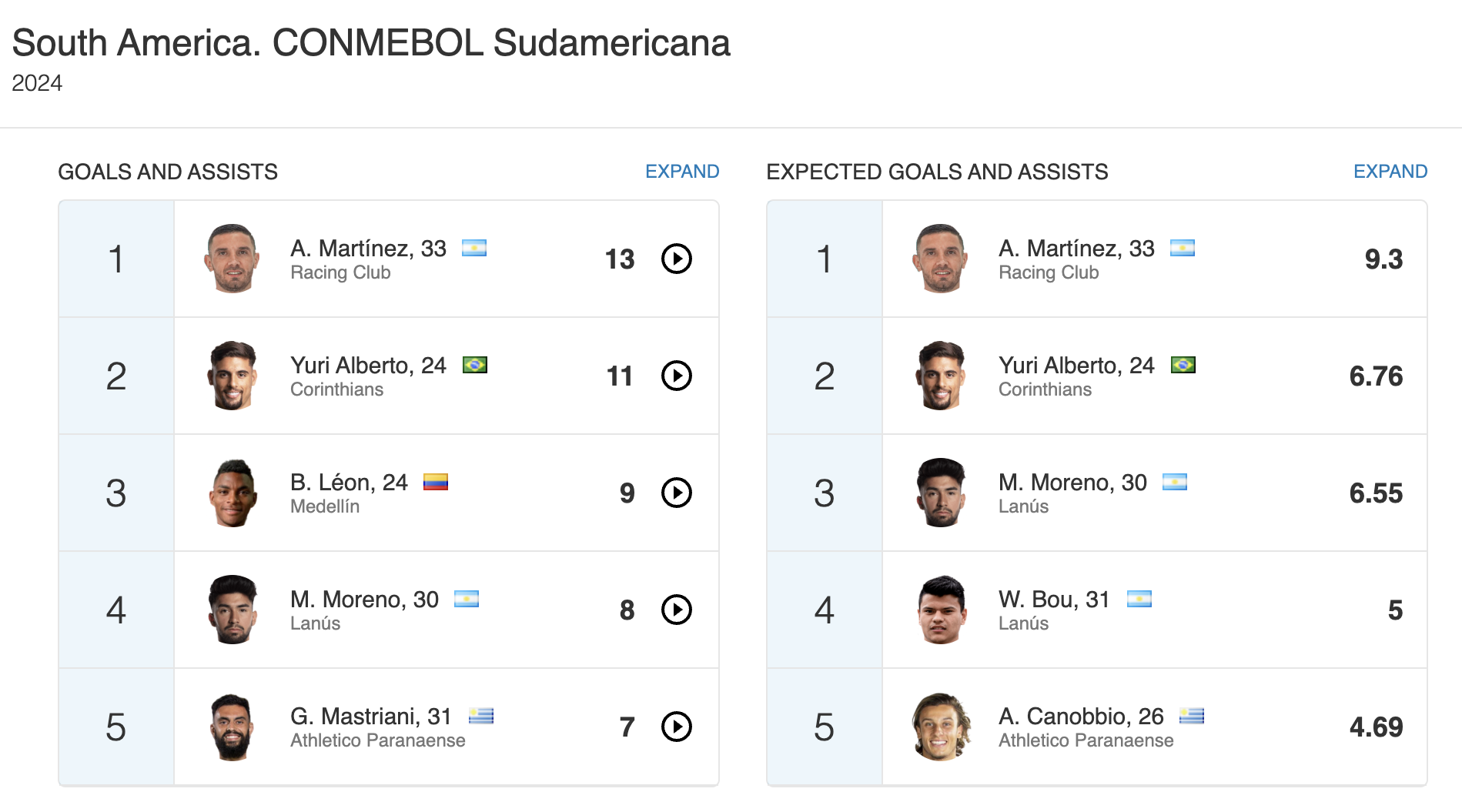
As the knockout rounds begin, the transfer window becomes not only about splashing cash but about solving specific tactical problems. Loan moves can play a crucial role as can South American players returning from Europe, eager for minutes and match sharpness. Fuelled by this hunger to impress again, these players can often represent smart pickups at this stage of the season.
This is where performance analysis becomes a competitive edge. Clubs with strong internal scouting departments and access to Hudl Wyscout can identify undervalued targets, act quickly, and build more balanced squads under pressure. In a window where timing is everything, data-informed decisions separate the reactive from the prepared.

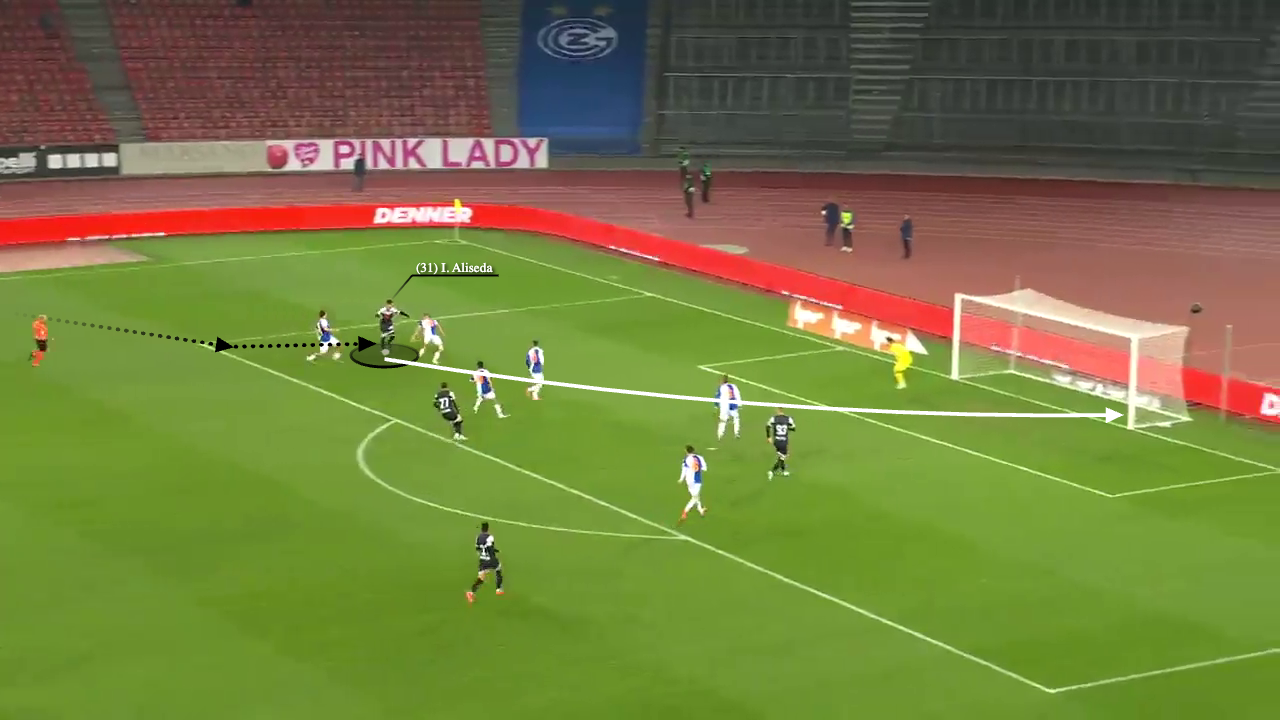
If you want to find out more about how to use Hudl Wyscout for your scouting, recruitment, and talent evaluation workflows, click here.
Follow Golazo on X.