Football Hudl Coaching Culture

Hudl Lens: A Modern Execution of an Individual Development Plan in Football


7 min Read

We explore how per­son­alised player development plans can transform how clubs nurture talent and build sustainable pathways from academy to first team.
Developing talent is a fundamental responsibility for any club, coach or player looking to progress in the highly competitive world of modern football – and individual development plans offer a strategic, personalised solution to nurturing this talent in a way that’s aligned with a club’s broader objectives.

What is an Individual Development Plan? 

An Individual Development Plan (IDP) is a structured, individualised roadmap for a player’s growth that encompasses their tactical, technical, physical, and psychological development.

Sometimes known as Player Development Plans, IDPs should identify a player’s current ability, strengths, and areas for improvement, while establishing clear objectives and the steps needed to achieve them. 

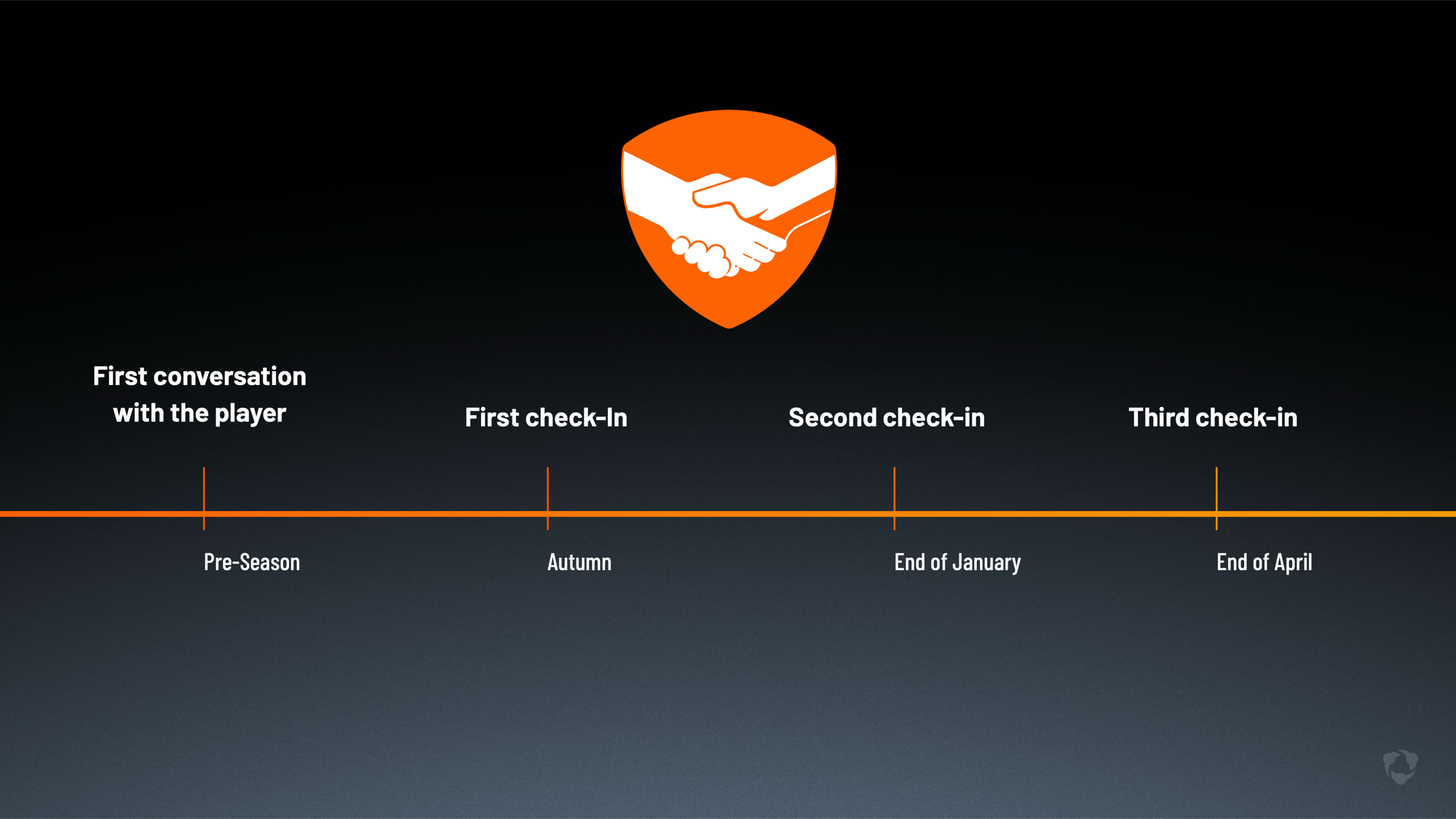
For example, in pre-season, a player and coach might sit down together and start with abstract concepts like ‘develop physically’ or ‘improve decision making,’ before translating them into concrete, measurable actions.

Regular reviews - typically monthly or quarterly - create a feedback loop and allow for adjustments based on performance, emerging strengths, or changing circumstances within the club.

Why Do Teams Create Individual Development Plans?

Fundamentally, IDPs are designed to support the professional career of any given player - whether they end up playing hundreds of games for the first team or none at all. 

In an ideal world, these plans help progress players through the youth ranks and into senior football, so that they can make an impact on the pitch. They also help the sustainability of the club, reducing the amount spent on costly transfer fees and potentially generating funds through future sales – which can then be reinvested back into the club’s infrastructure and human resources.

But given that less than 5% of teenage academy players ‘make it’, it is important that the remaining 95% are equipped with the right life skills, education, and mentality to succeed in their chosen field. 

For many, this means preparing them for alternative pathways within football — whether that's coaching, analysis, sports science, or scouting roles — but it could equally just be a case of equipping them with the resilience and professional habits needed to thrive beyond the game.

Genuine investment in players as individuals also has the knock-on effect of strengthening a club’s reputation for developing talent – giving them a crucial advantage when attracting high potential players at the fiercely competitive academy level, not to mention coaches and staff.

When implemented effectively across all age groups, IDPs create a common language and structure that eases transitions between age groups, creates accountability and transparency around expectations, and gives decision-makers visibility of the health of their squad and talent pipeline.

Components of a Successful Individual Development Plan

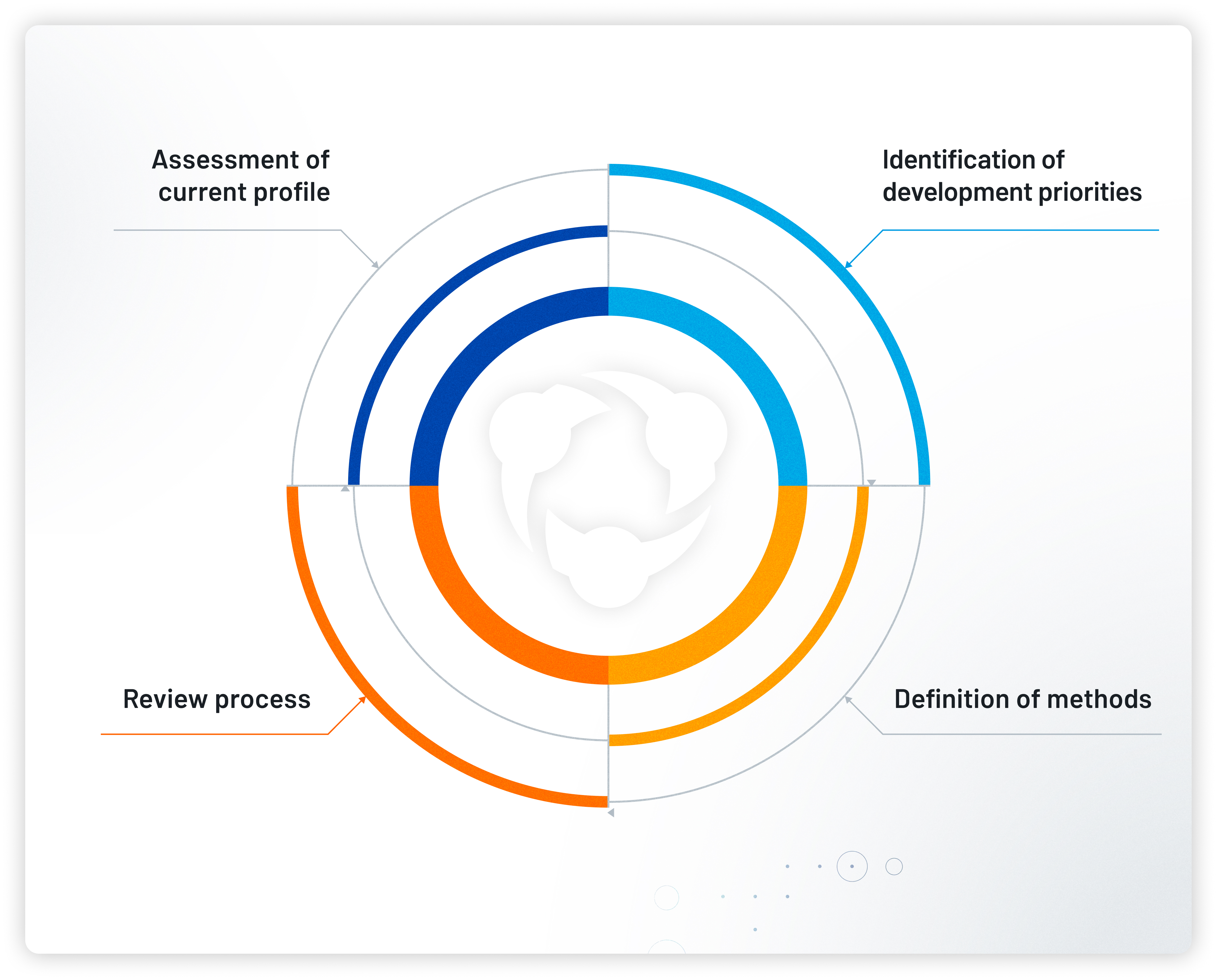
In our experience, a successful IDP relies on the following four components:

  • Assessment of current player profile
  • Identification of development priorities and objectives
  • Definition of methods
  • Establishing a review process

Let’s look at each of these components in more detail.

Assessment of Current Player Profile

There is no one-size fits all approach to IDPs, so the starting point is an honest assessment of where the player is now, to allow tailoring the plan to the specific requirements and strengths of the individual. This should encompass tactical, technical, physical, and psychological attributes, ideally supported by objective data from match analysis, GPS metrics, and standardised testing.

Contextual factors are important and there has to be an understanding that each player arrives at a different stage of their journey. Progress is not always linear, so you should get to know what makes them tick, understand their motivations, and take into account learning and feedback preferences. This is crucial in order to properly individualize the plan to their needs.   

By the same token, certain players thrive under particular coaching styles, so there also has to be flexibility when allocating staff

Identification of Development Priorities and Objectives

Once a shared baseline is created, coach and player can jointly identify key individual goals and set clear, achievable targets for their tactical, technical, physical and social development. 

Try to identify three to five specific areas for improvement, as fewer priorities allow for deeper focus and more meaningful progress. These should directly link to the player's positional requirements but also to the club's overarching vision, strategy, and game model.

By connecting areas of improvement to the team’s style of play and DNA, players can be developed to translate those principles into actions on the pitch – reinforcing and accelerating the improvement of the differential talents that make an impact during the game.

Familiarity with these principles at every level eases transition between age groups and helps foster a strong identity and culture within the club, with everyone working towards a common long-term goal.  

Definition of Methods

The next step is to detail the specific methods through which development will occur. This might include targeted individual sessions, position-specific work in training, video analysis analysis, strength and conditioning sessions, or tactical tutorials. Specify frequency and duration, and identify who is responsible for delivering each component. 

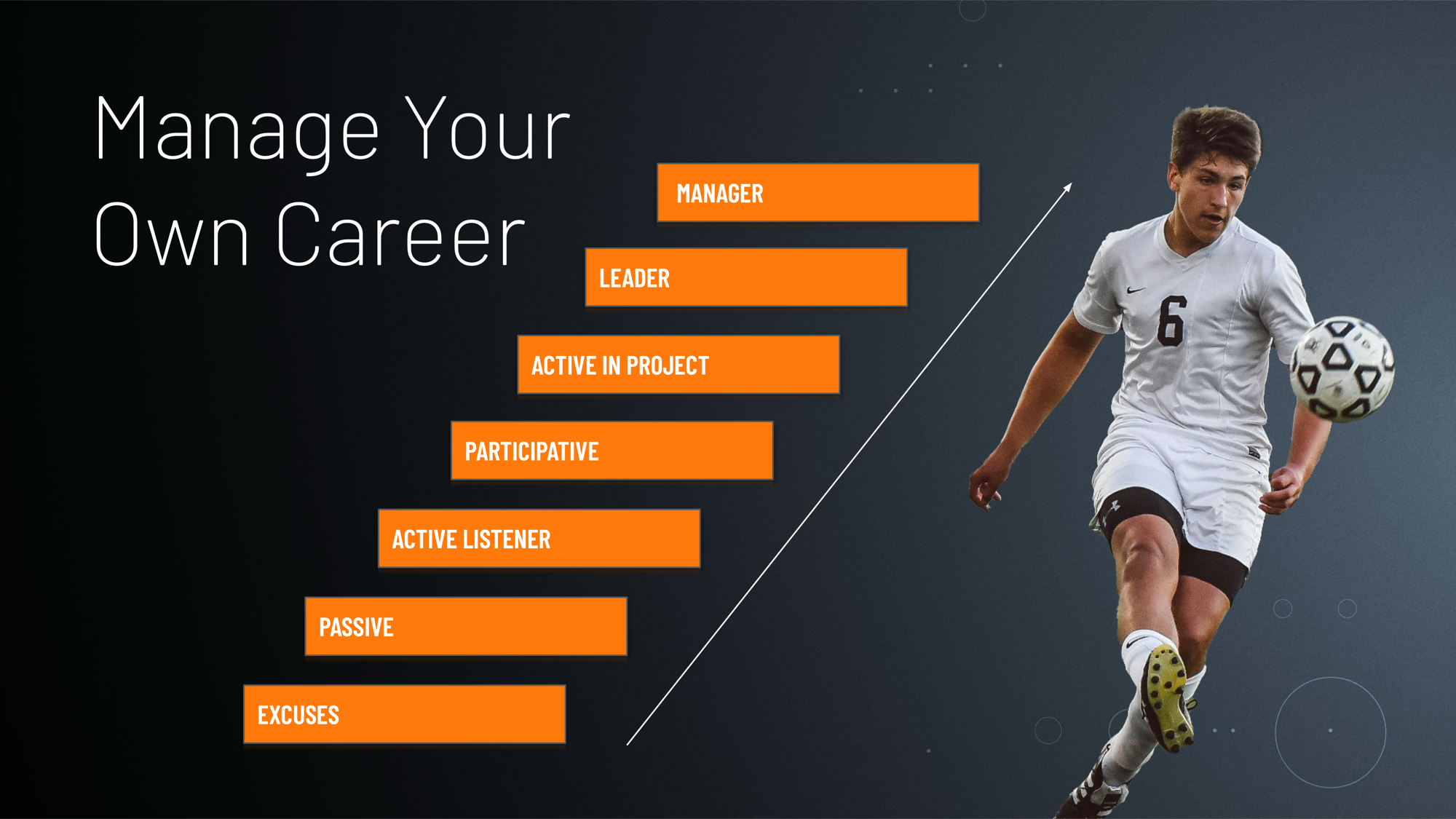
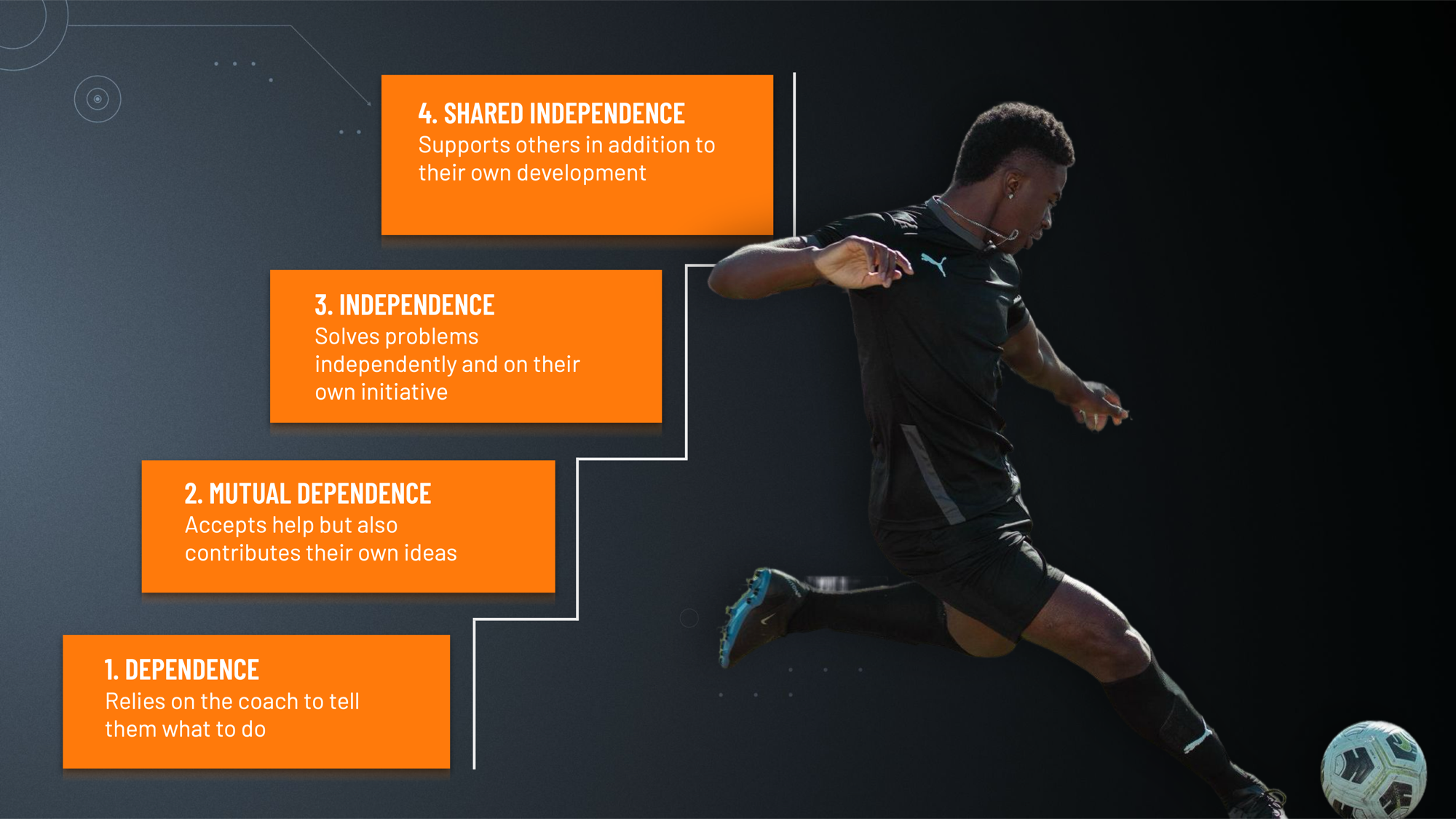
These methods don’t have to be limited to the training ground. Players should be encouraged to take ownership of their development – not only during feedback sessions but also through autonomous learning. Being able to access video from games and training sessions in their own time means that self-reflection and review can occur independently, maximising development opportunities.

Ultimately, this helps players to become managers of their own careers.
Establishing a Regular Review Process

Setting goals at the start of the season is all good and well, but for IDPs to pay dividends they require a consistency of feedback sessions and shared ownership. 

Monthly or quarterly joint-reviews creates a regular rhythm for in-person, two-way communication rather than a one-off exercise, while weekly online sessions keep development goals and club principles front of mind. 

Define who participates in each review and what evidence will be examined—match footage, training observations, performance data, and the player's own reflections. Buy-in and engagement is key – for coaching staff as well as players – so build in mechanisms for celebration of progress achieved, not just identification of remaining gaps.

Implementing an Individual Development Plan

Creating a development plan may seem simple in theory, but putting it into practice is the true acid test. Successful implementation requires sustained commitment, cultural alignment, and practical systems to ensure plans inform daily decisions around development.

There are certainly challenges to overcome, and here are some of the key takeaways from our experience working with clubs:

  • Quality of coaches and support staff: you might have the perfect plan on paper but you need to have the coaches capable of communicating and executing it. Ensuring that you have the right individuals and staff composition in place, well prepared, and bought in is crucial to fostering a development culture throughout the club.
     
  • Integrate with existing processes: work with coaching staff to identify opportunities within the weekly schedule for development-focused work—it could be arriving fifteen minutes early for technical work, using recovery days for video analysis, or designating specific training exercises as opportunities to practice development priorities. The goal is embedding development into the rhythm of the week rather than treating it as an additional burden and making sure the player is at the heart of everything you do. 
     
  • Create visibility and alignment: Make development plans accessible through multiple channels—video platforms, athlete monitoring software, shared documents—and reinforce them via physical touchpoints like locker room goals, academy screens, and gamification at younger age groups. Added together, it creates a truly joined-up development environment that spans all age groups and connects IDPs to the key principles and vision of the club.
     
  • Measure impact: Finally, establish mechanisms to evaluate whether your development plan system is actually driving progress. Track not just individual and team development KPIs but also retention rates, player satisfaction scores, and progression rates – through both your own pathway but also external pathways. Share success stories and survey players and staff about their experience with the development plan process and use that feedback to continuously improve your approach and build buy-in.

Want to Learn More?

At Hudl, we consistently put our expertise at the service of current and future customers to solve the biggest challenges in elite sport.

Get in touch today to learn how we can help set you up for success.