
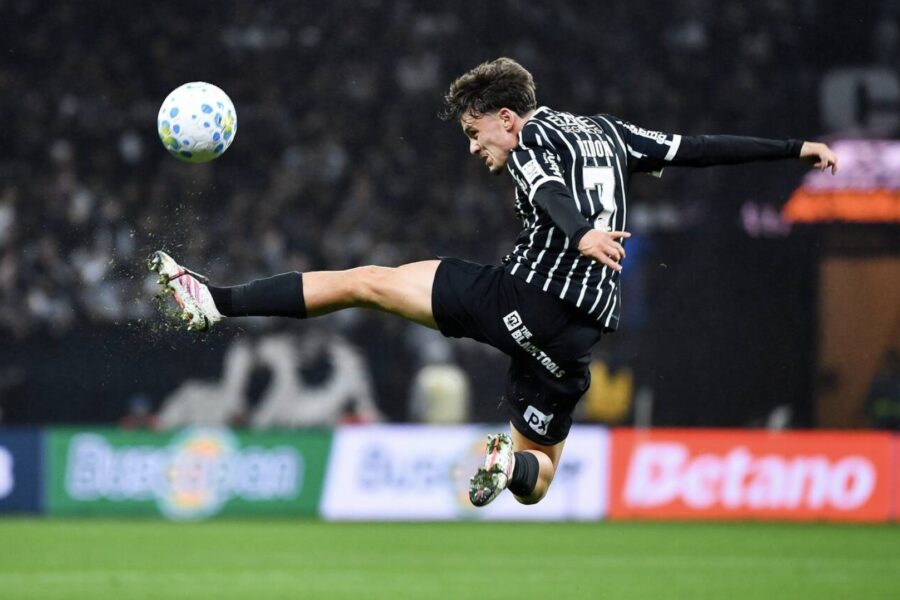
Proactive recruitment departments are already preparing for upcoming transfer windows. Here are some of the top prospects who will be on many scouts’ shortlists.
The absence of Alisson from the squad also highlights the changing landscape at the position. Despite a decade of excellence at club level, the Liverpool goalkeeper has never quite enjoyed the same undisputed status with Brazil, and at 33, Ancelotti must now begin to consider the succession plan between the posts. Three goalkeepers from the Brazilian league were included in his latest squad, with Hugo Souza, Otávio and Morisco all given an opportunity to stake their claim.
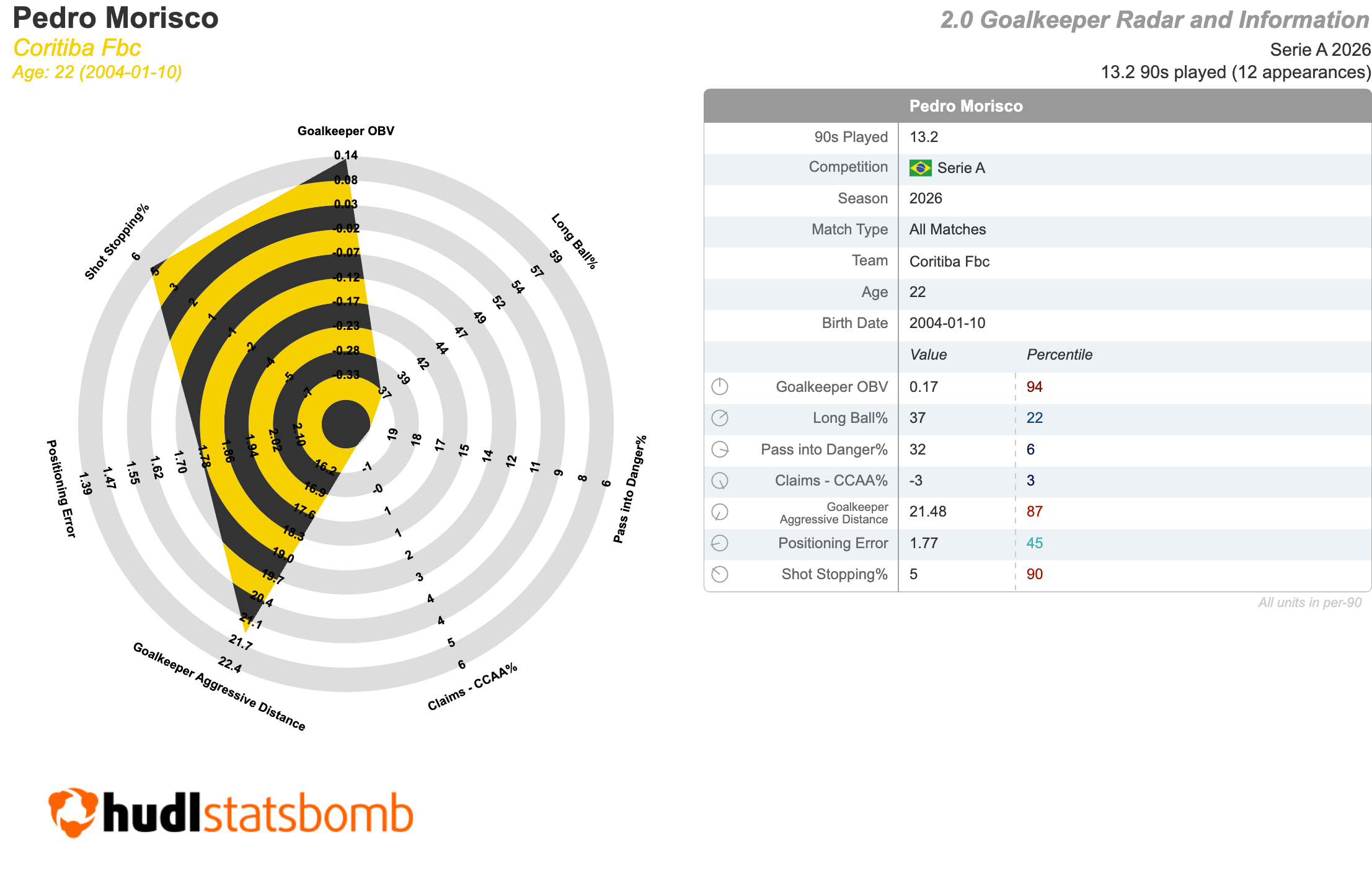
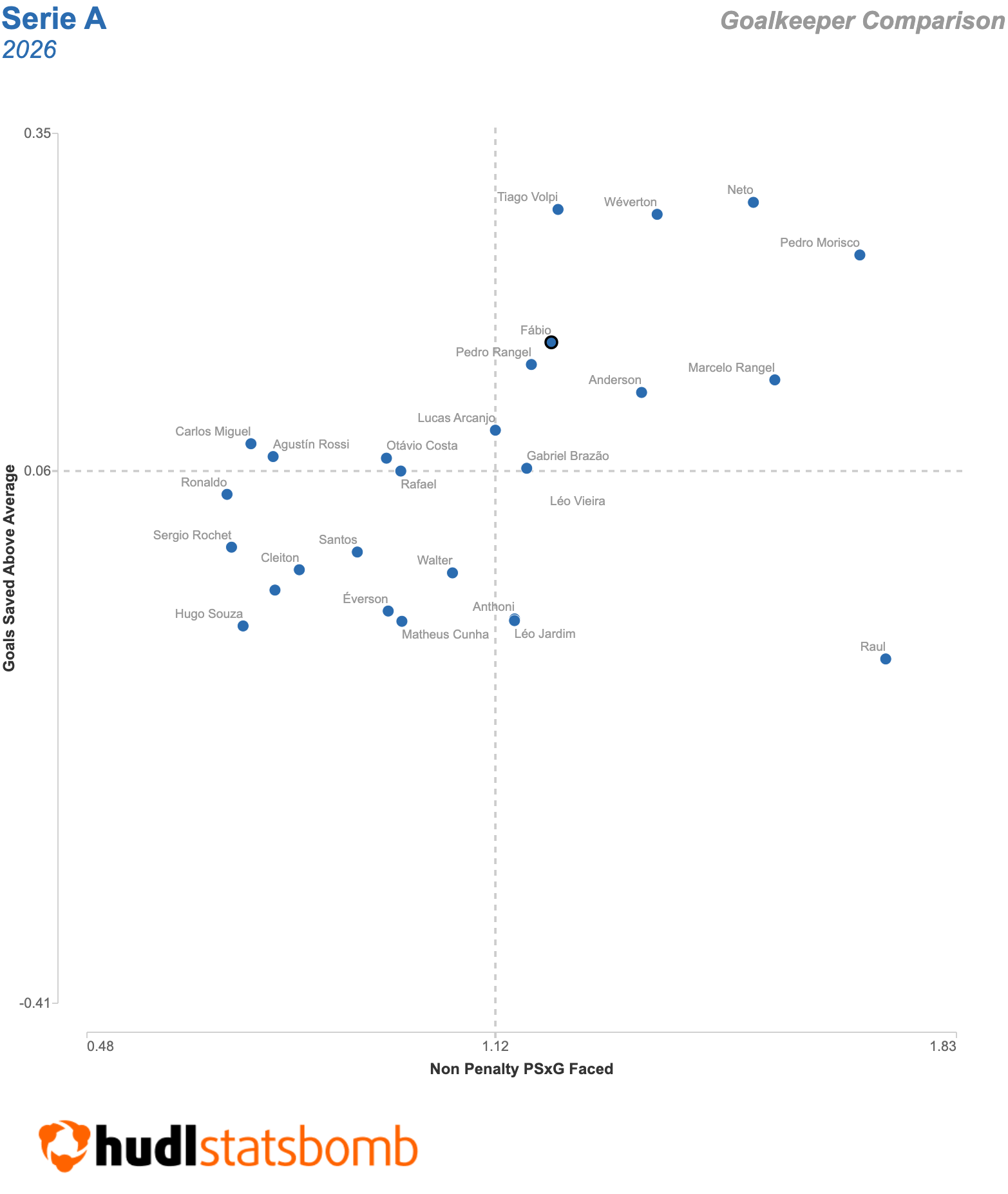
Morisco's performances in the Brasileirão also provide plenty of evidence to support his inclusion. He ranks second among goalkeepers for saves per 90 this season, averaging 3.64, while his 0.23 prevented goals per 90 ranks third. The numbers point to a goalkeeper who has consistently been called upon to make a difference for over-performing Coritiba, but his appeal extends beyond simply stopping shots.
Morisco's quick reflexes are a standout quality, complementing those strong save numbers. He is also comfortable with the ball at his feet and playing out from the back. There is still room for improvement in his decision-making when playing out, particularly when weighing up riskier passes, while his command of crosses is another area that can develop.
With Alisson's future with the Seleção uncertain, the battle for Brazil's long-term number one is beginning to take shape.
Arthur Dias (Athletico Paranaense)
There is also a need to bring new faces into the centre-back positions. The likes of Jair and Vitor Reis have already moved to Europe, but Arthur Dias could be the next Brazilian defender to make the move. The 19-year-old offers an intriguing profile, combining comfort in possession with the athleticism to cover ground defensively.
Watching Dias on Wyscout, his comfort in possession immediately stands out. Naturally left-footed but equally comfortable using his right, he ranks second among U23 centre-backs for passes this season and leads the group for long passes, underlining his ability to start attacks from deep.
His defensive numbers are equally notable, ranking third for interceptions and second for shots blocked. Combined with his recovery pace, agility and ability to tackle, Dias has the athleticism to cover ground defensively while still offering plenty of quality in possession.
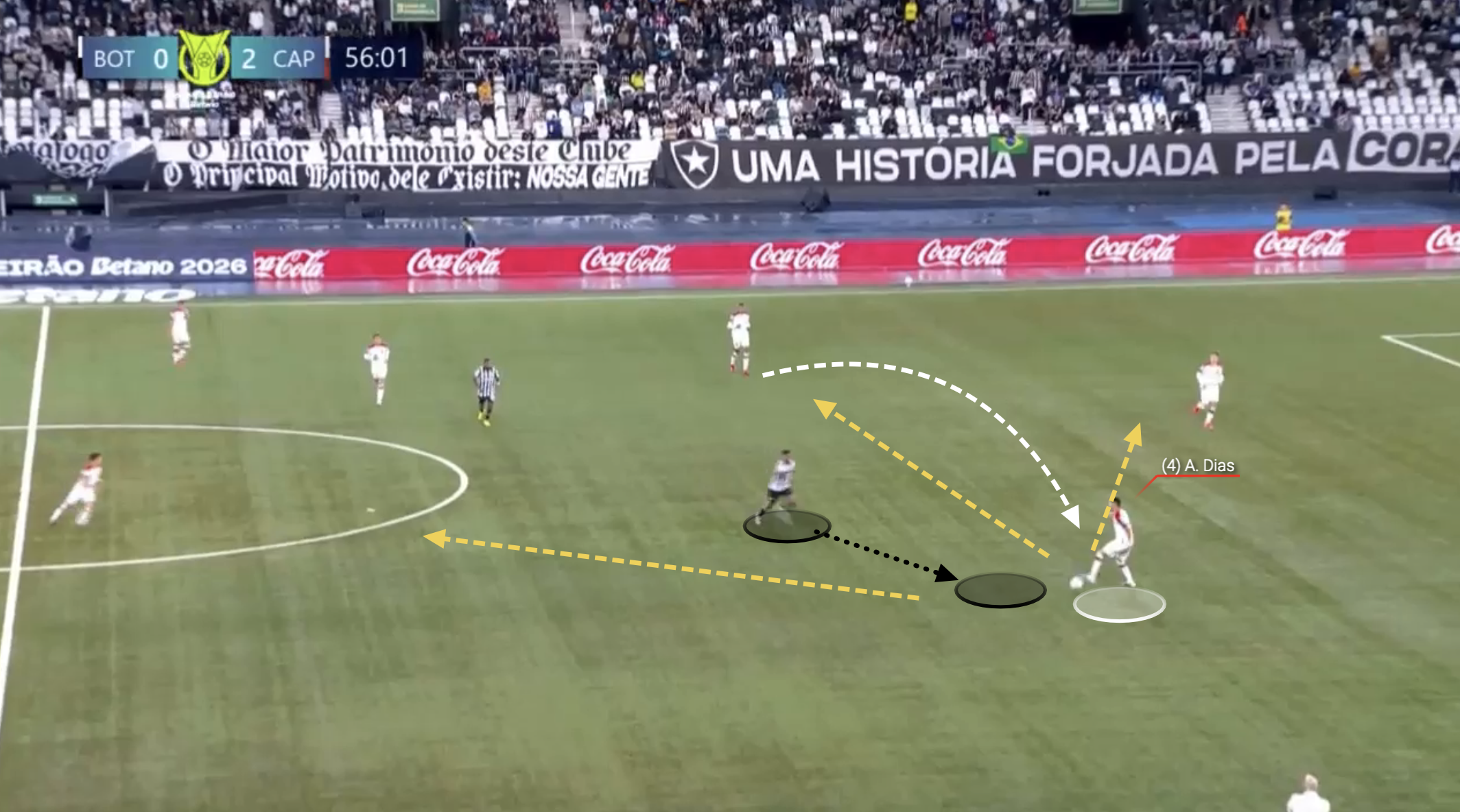
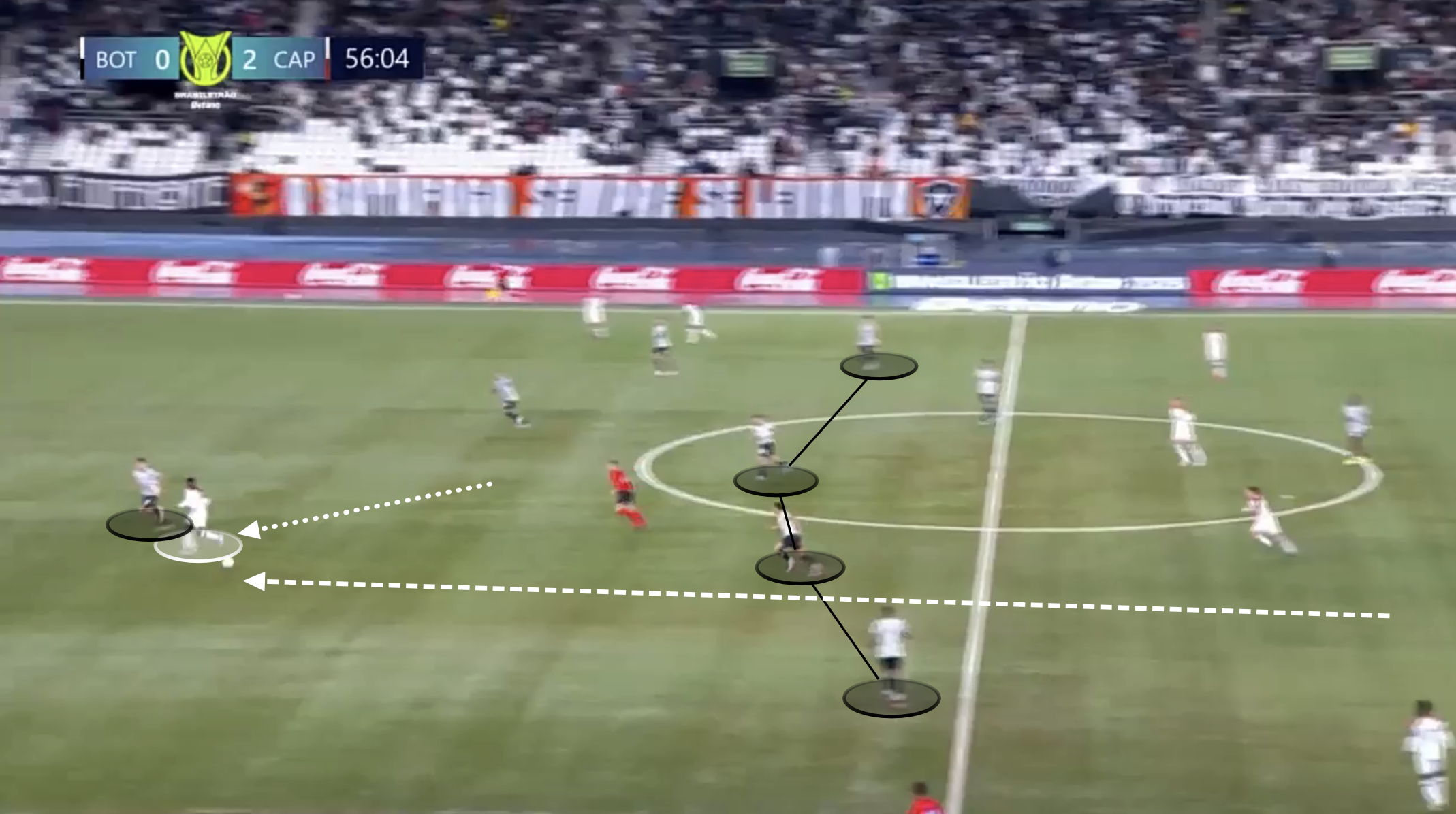
There are still areas of his game to develop. Dias can be vulnerable in aerial duels, while his slender frame means he can sometimes be overpowered by stronger opponents. At 19, there is plenty of scope for him to develop physically, but his combination of athleticism, defensive instincts and ability to play out from the back is already attracting attention in Europe, with Barcelona among the clubs to have sent scouts to watch him.
Breno Bidon (Corinthians)
Arguably the most troublesome area for Ancelotti to find the right balance has been in midfield. Brazil have yet to settle on a combination that provides both control and creativity, making the position an obvious area for new options to emerge. Corinthians midfielder Breno Bidon is one player who could offer something different in that department.
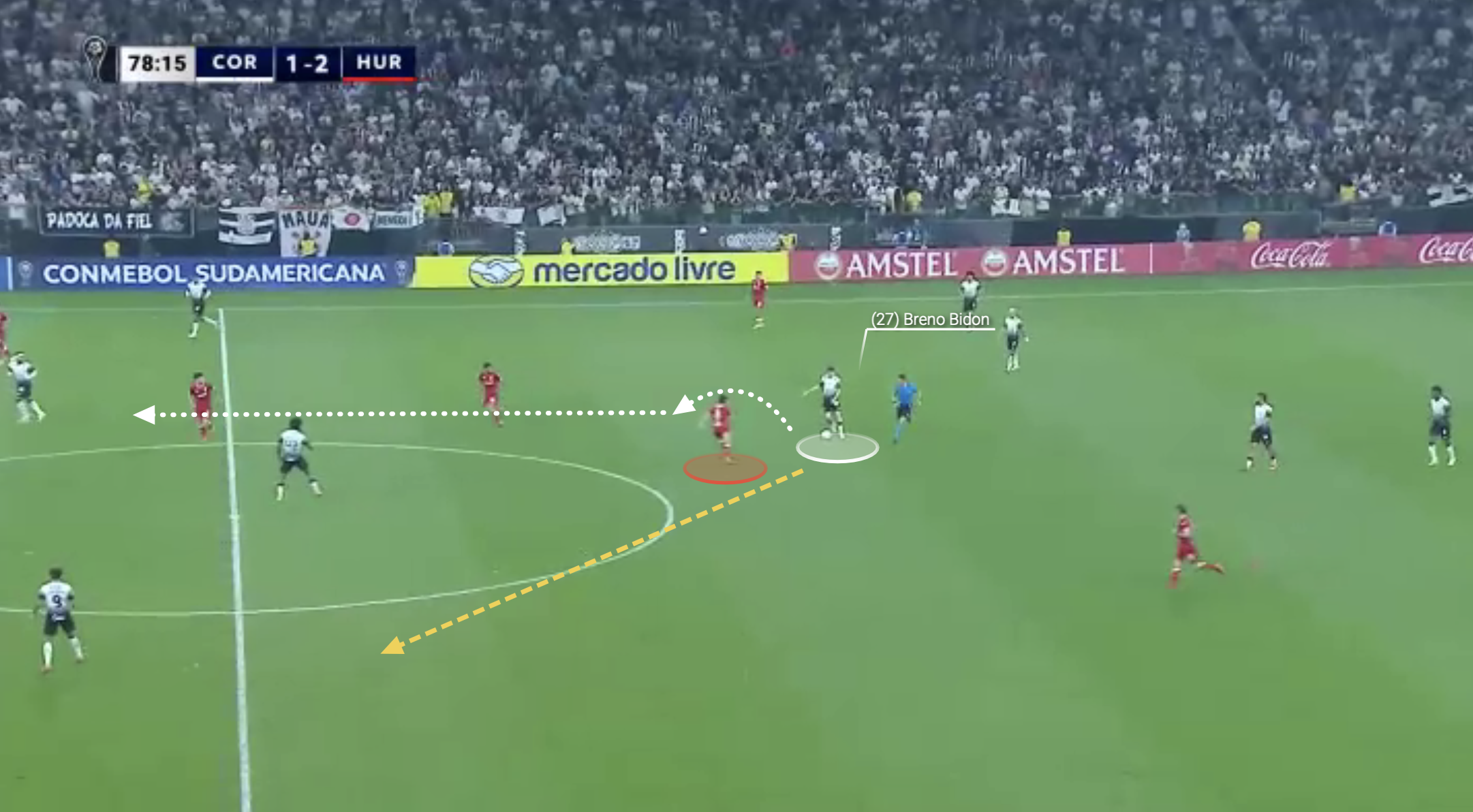
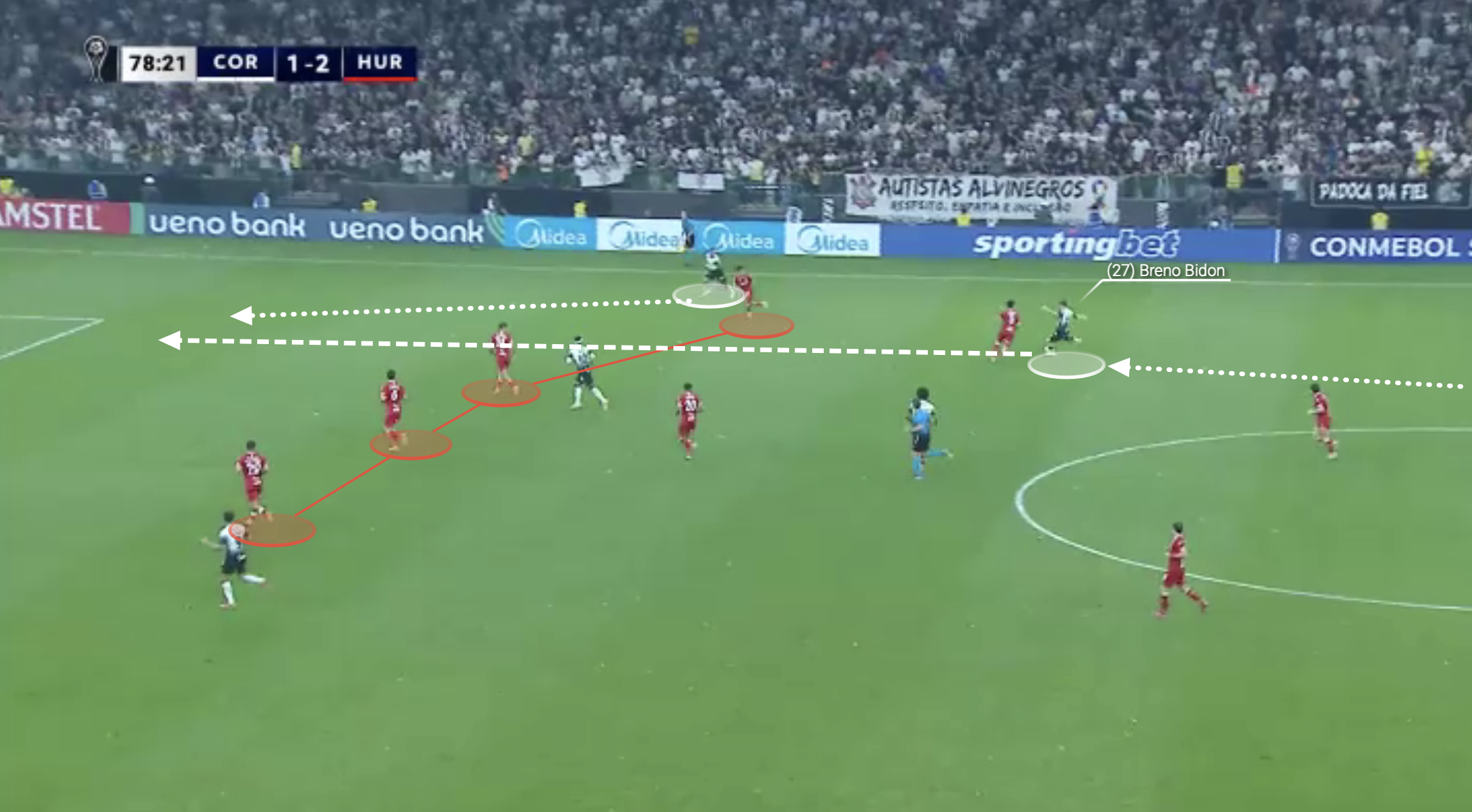
On the ball, Bidon's versatility and elegance in midfield are immediately apparent. He plays with balance and poise, has a clean first touch and regularly looks to play forward, with the vision and passing range to influence the game from different areas of the pitch. He is comfortable receiving under pressure and can carry the ball into space when a passing option is not immediately available, giving him the flexibility to operate both deeper in midfield and further forward.
The next step is to impose himself more consistently and begin controlling games for Corinthians, rather than simply contributing to them. His technical ability gives him the tools to become a midfielder who dictates the tempo, but he will need to take greater responsibility for the rhythm of matches as his role develops.
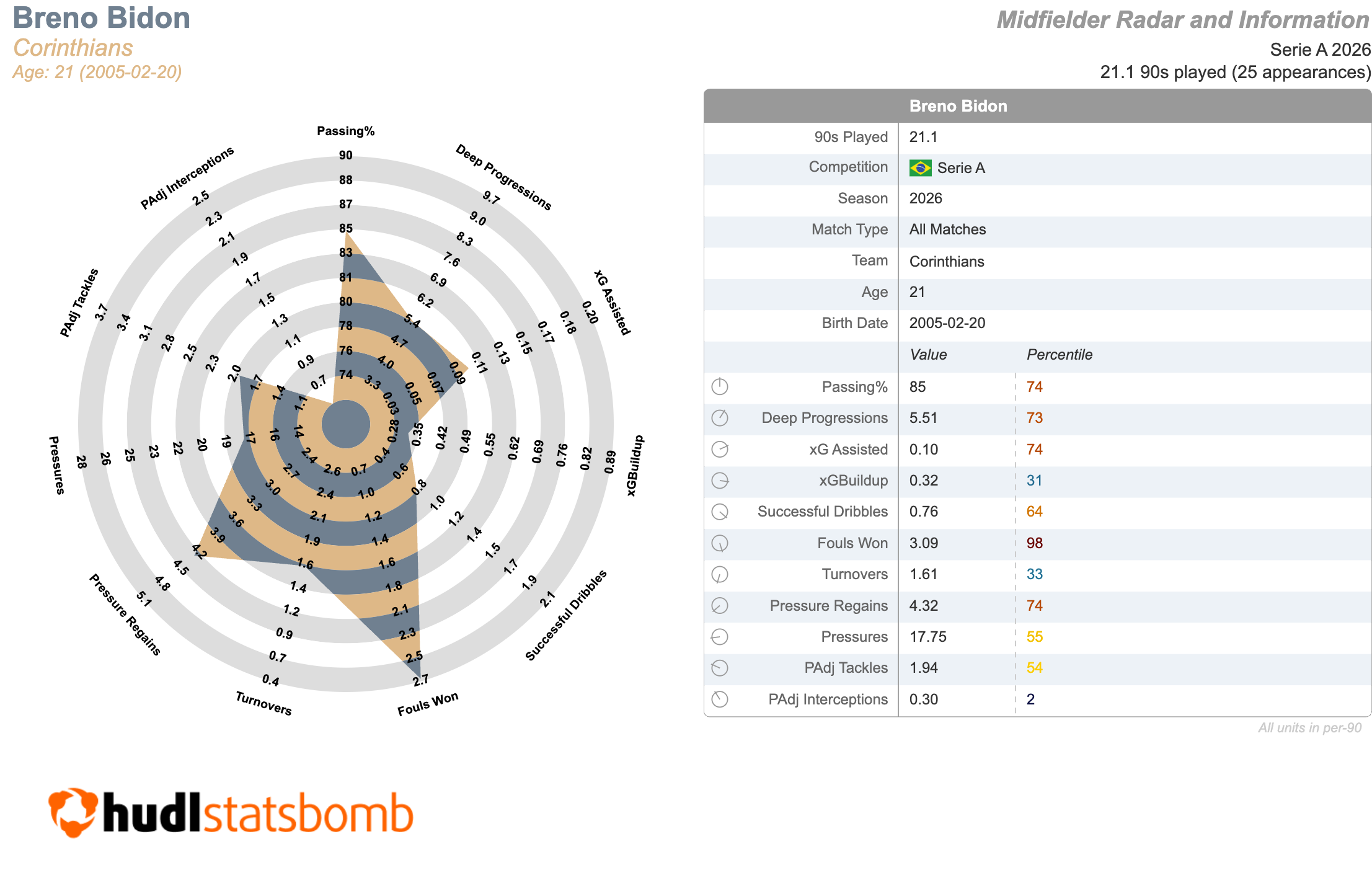
Corinthians also have another young midfielder in André, a 20-year-old box-to-box midfielder who offers a more physically imposing and defensively minded profile alongside Bidon. That physicality and greater defensive responsibility could make his transition to European football more straightforward, with clubs potentially viewing him as a player better equipped for the demands of the game at that level.
Zé Lucas (Cruzeiro)
Defence-minded midfielders, on the other hand, is a profile Brazil has produced in abundance, and the signs are that there are a number of candidates ready to step up. And that pool of midfield talent can also extend beyond the Brasileirão - also be available to view on Wyscout.
Zé Lucas, an 18-year-old defensive midfielder, emerged with Sport Recife in the Série B and quickly established himself as one of Brazil's best young talents, from under-17 standout to now being among Ancelotti's preliminary squad for the most recent friendlies.
Cruzeiro were quick to recognise his potential, winning the race for his signature in July and reportedly paying R$25.5 million (under $5 million) to bring him from Recife. His move highlights the value of scouting below the highest level of the game: identifying players early can allow clubs to secure emerging talent before they have established themselves in the Brasileirão, when competition for their signature and their value are likely to be considerably higher.
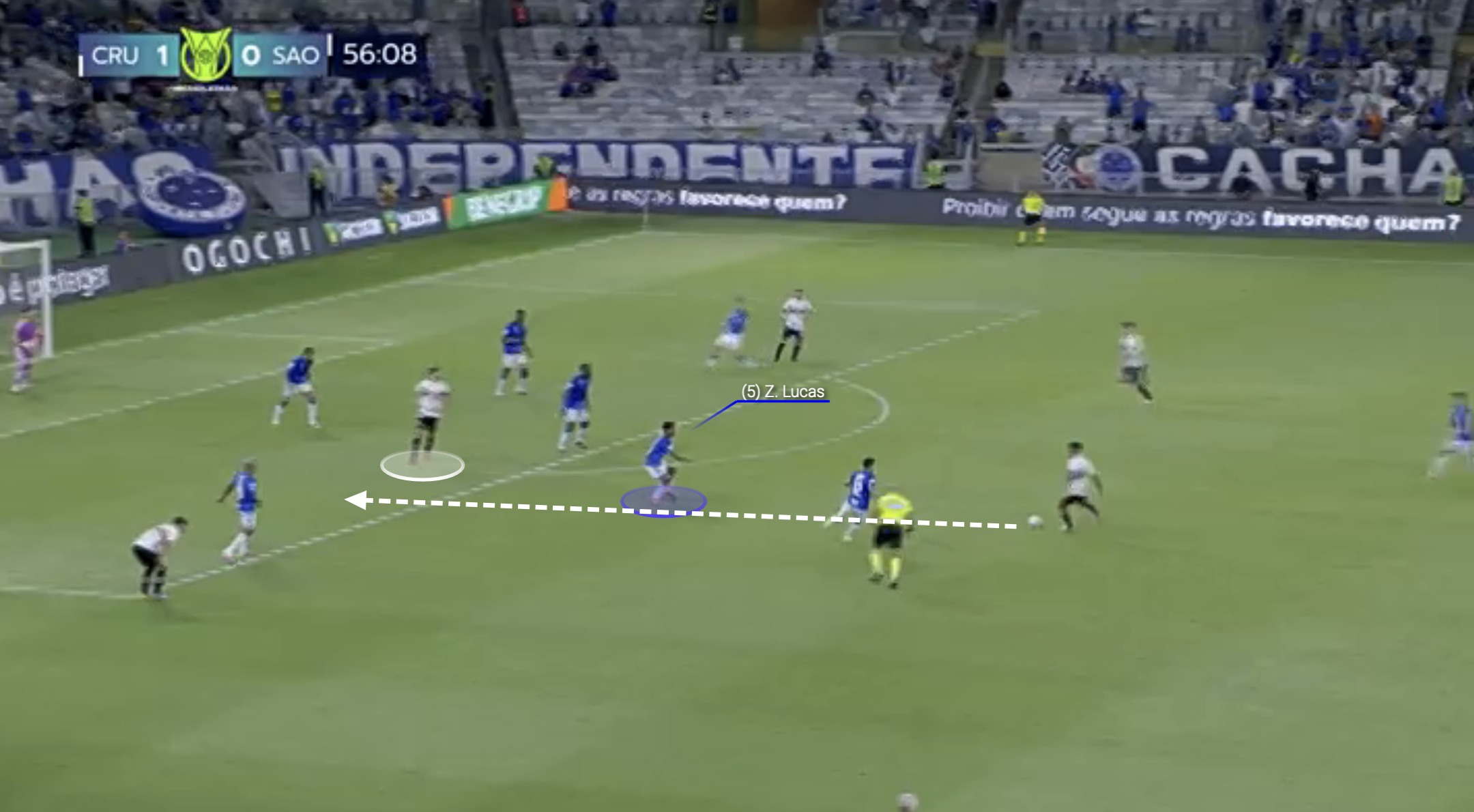
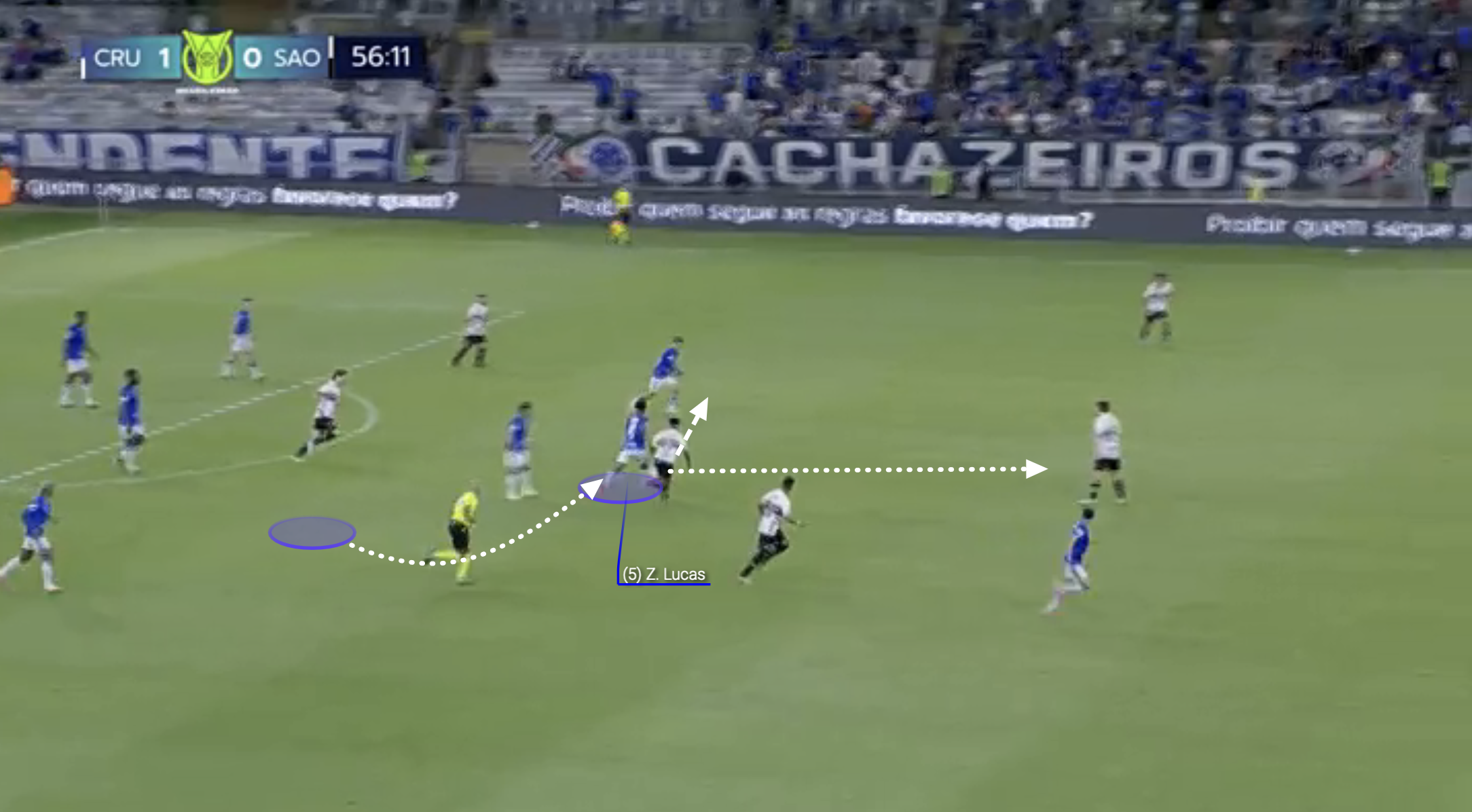
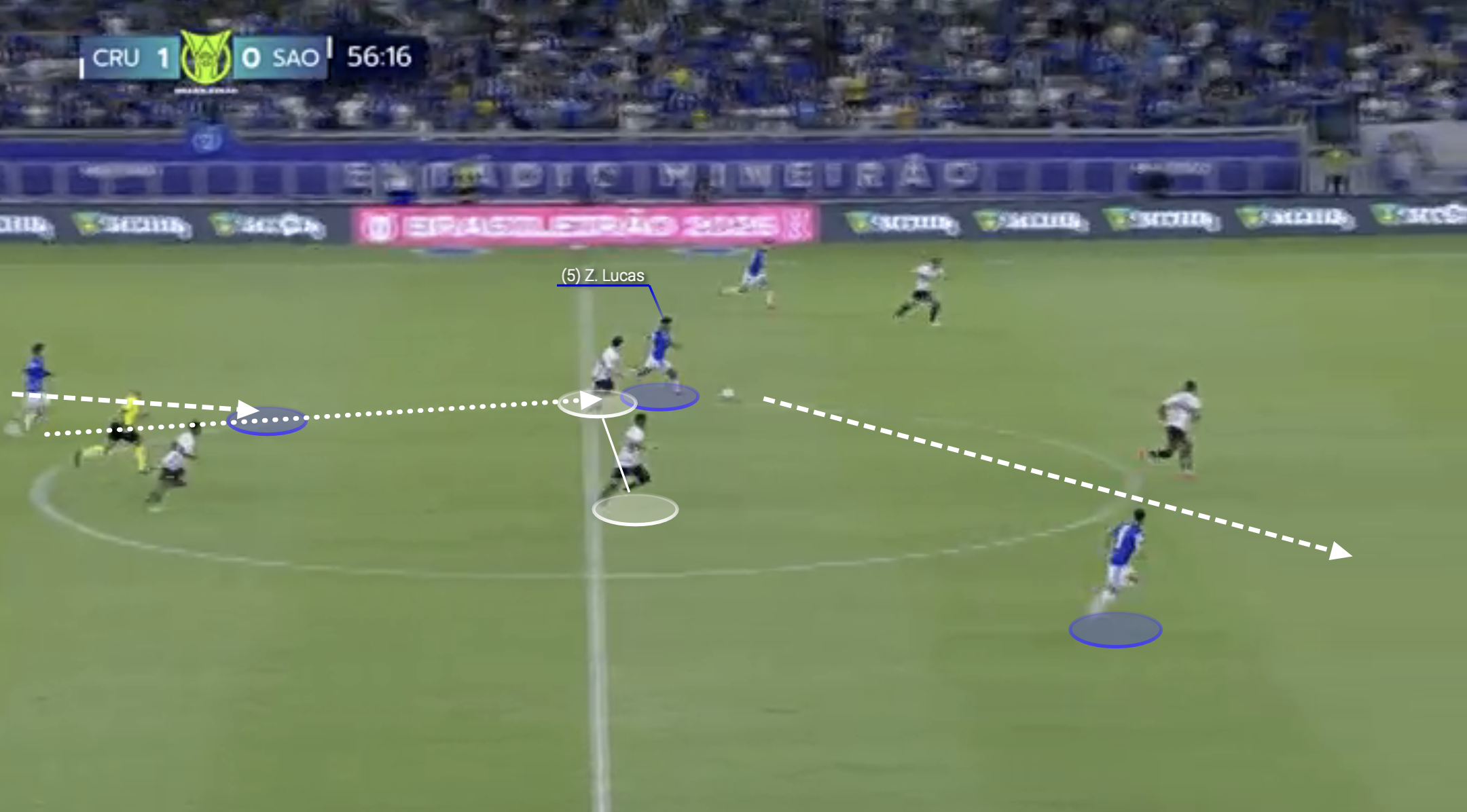
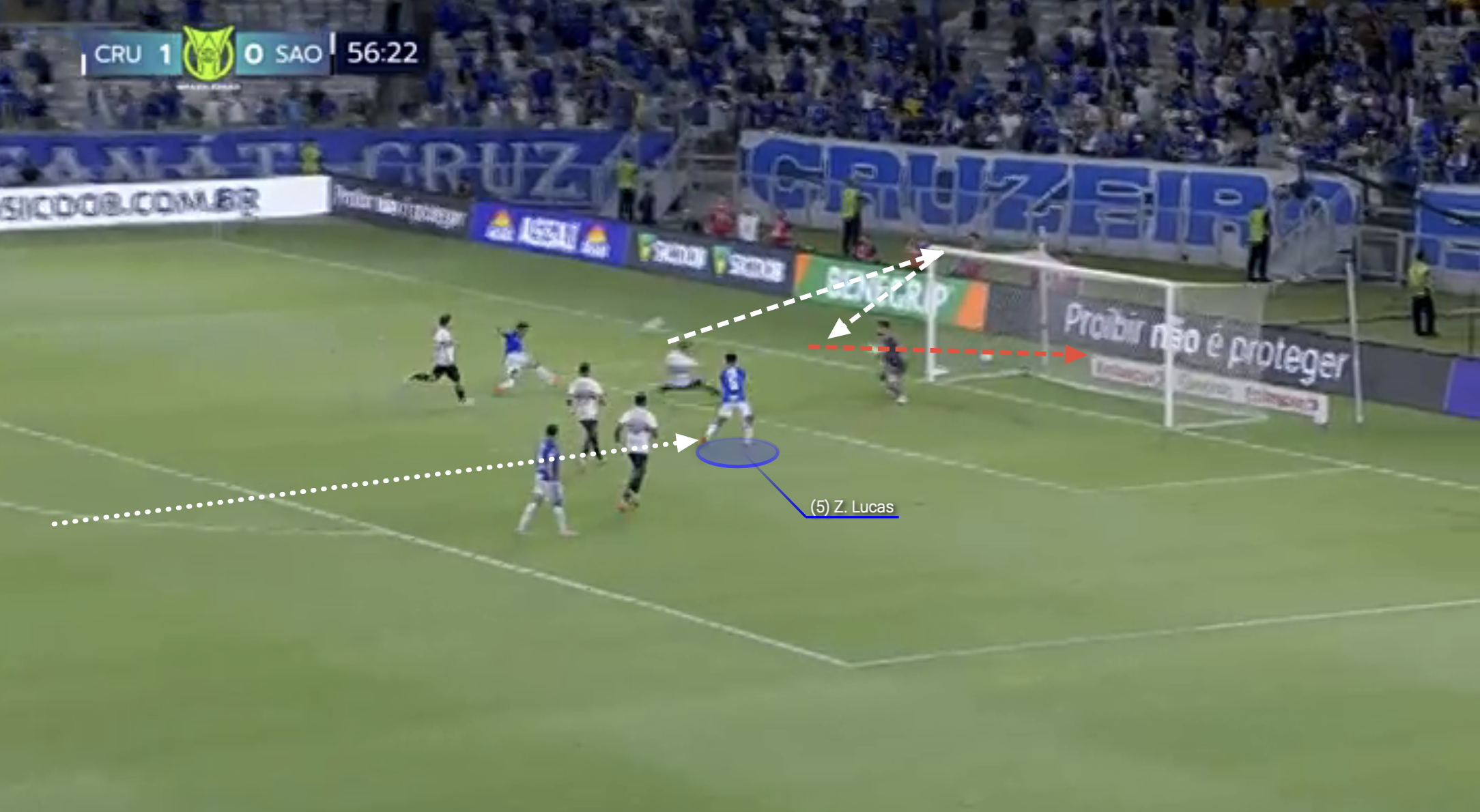
On the pitch, Zé Lucas combines a high work rate with a strong instinct for winning the ball. His anticipation allows him to read passing lanes and step in for interceptions, while he is also remarkably comfortable in possession for a player. His passing range gives him the ability to progress play after regaining possession and adds another dimension to his profile. Physically, however, he is not yet at the stage where he can consistently impose himself in midfield, an area that should develop as he matures.
Gabriel Bontempo (Santos)
Unlike Zé Lucas, Gabriel Bontempo was included in Ancelotti's final squad and made his Brazil debut against Australia, giving the 21-year-old an early opportunity to establish himself at international level.
Another player who used the Copinha as a launchpad, he offers a different type of midfield profile, with his ability to carry the ball a particularly notable strength. He can progress up the pitch at speed and ranks second among U23 players in the Brasileirão for deep completions per 90, highlighting his ability to carry possession into advanced areas and find teammates close to goal.
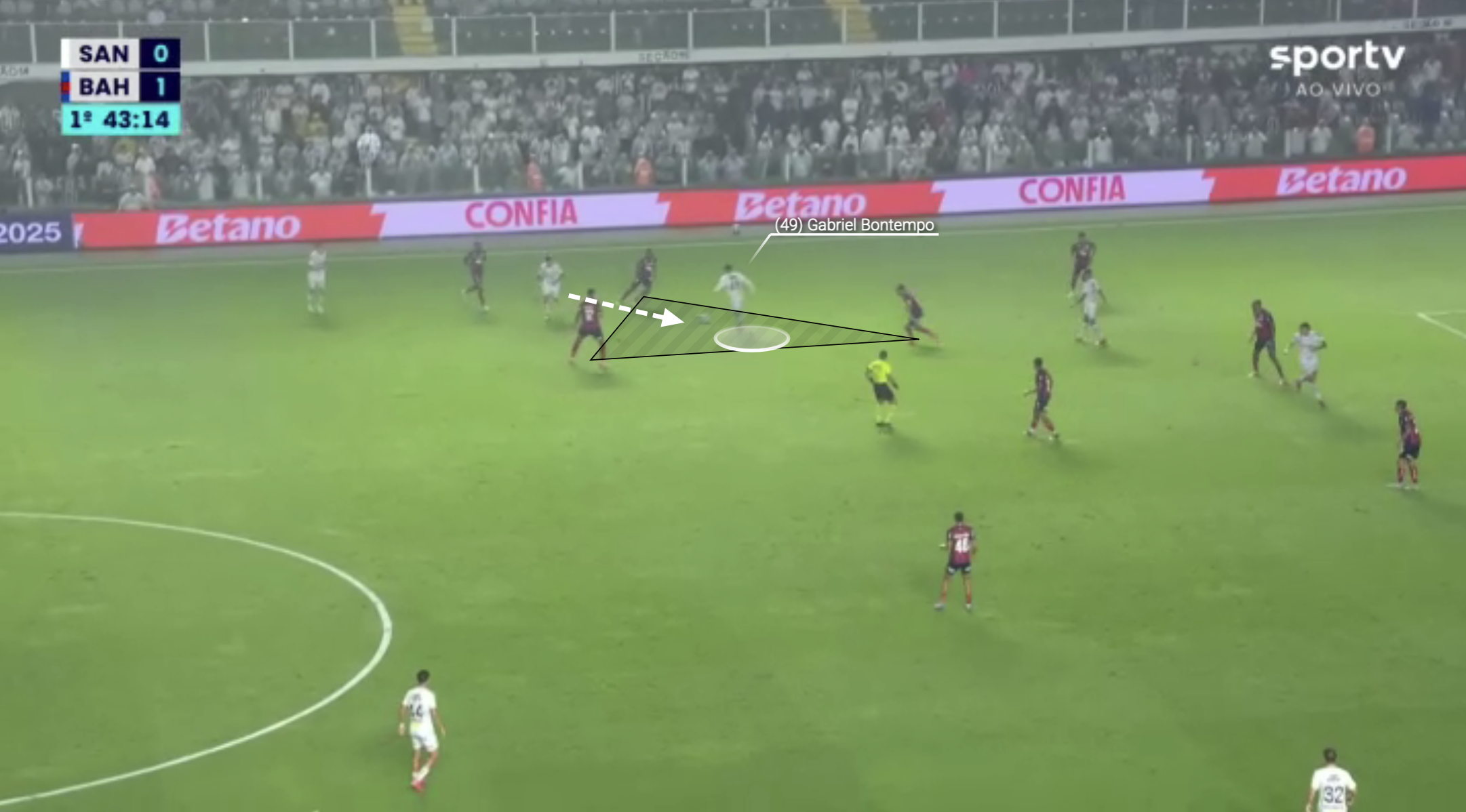
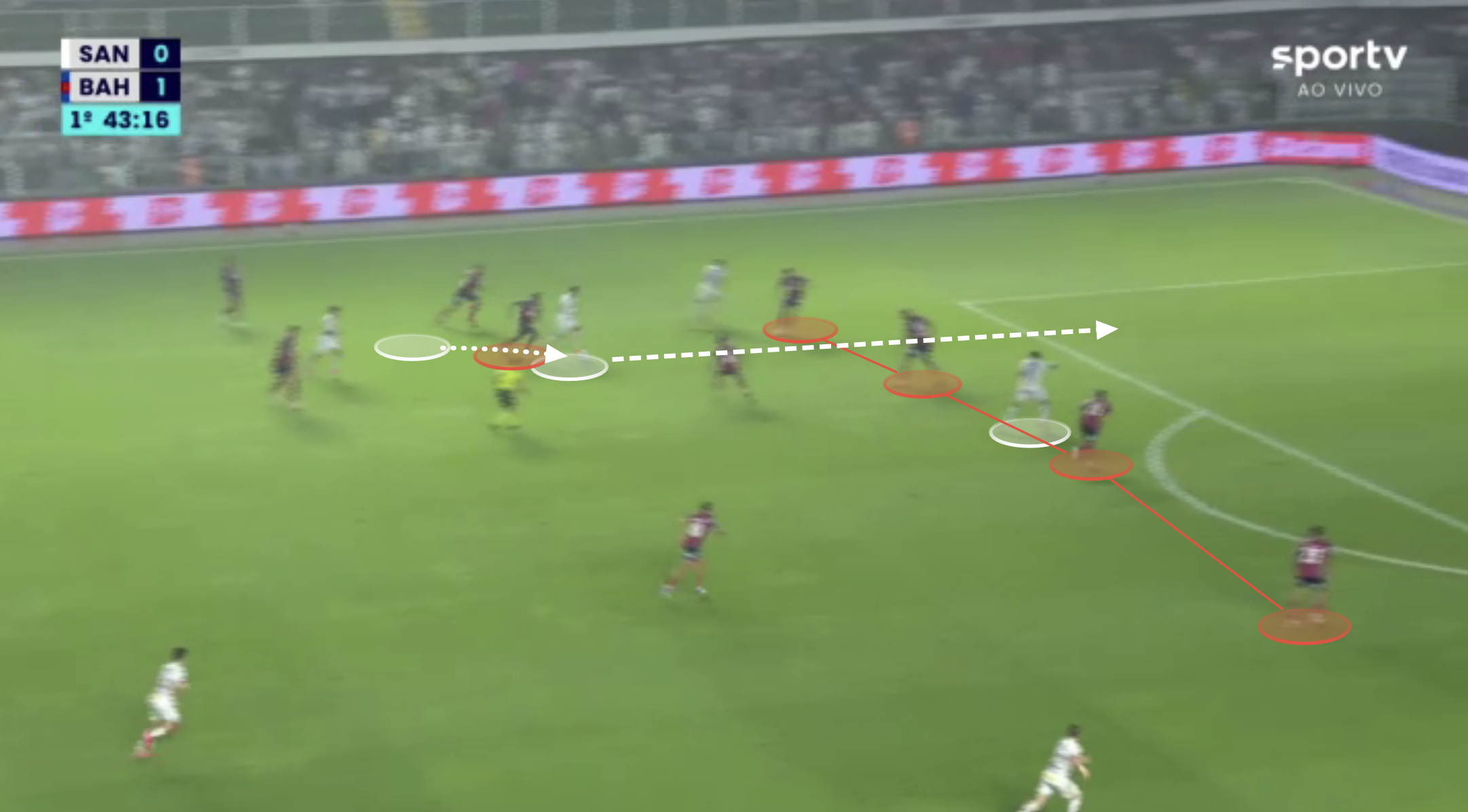
That ball-carrying threat is complemented by his creativity and passing, with three second assists the most among U23 players, while he also ranks third for key passes and third for accurate passes into the final third, completing 90.63% of his attempts. Bontempo’s work rate adds another dimension to his game, allowing him to operate effectively as a number eight and contribute at both ends of the pitch.
His inclusion in Ancelotti's squad could make it increasingly difficult for Santos to keep hold of the 21-year-old, with his growing profile likely to attract interest from elsewhere.
Agustin Giay (Palmerias)
The talent being developed in Brazil is not limited to the Seleção. The financial strength of the Brasileirão is increasingly attracting young players from across South America, with Agustín Giay another example. Indeed, the pathway from Argentina to Brazil is now well trodden, with a record number of players plying their trade in Serie A, such as Botafogo’s Alvaro Montoro and Bahia’s Alejo Veliz
The 22-year-old right-back joined Palmeiras from San Lorenzo in 2024 and made his Argentina debut against Mauritania in March, but despite being included in the country's wider World Cup preparation group, he ultimately missed out on the final squad. Now back in the national team set-up following the World Cup, Giay has the opportunity to establish himself as part of Argentina's next generation.
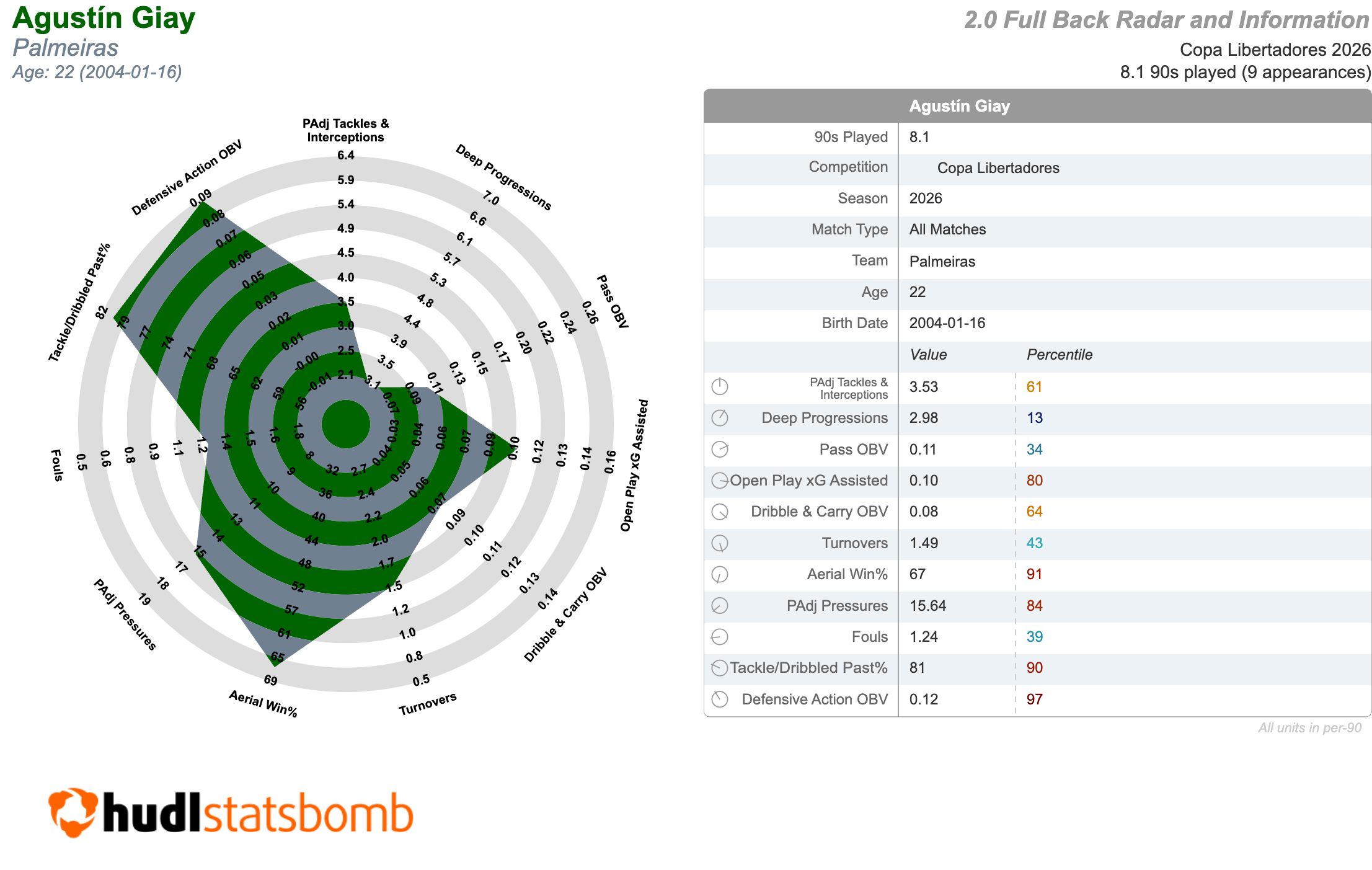
Giay combines a terrific engine with an aggressive approach to the defensive side of the game. He is a tenacious tackler and high-intensity presser, while his ability to get forward from right-back adds another dimension to his game, particularly when delivering crosses into the box.
His final-third output can still improve, but his energy and willingness to contribute at both ends of the pitch make him a valuable option at right-back. With Argentina needing a new option at right-back ahead of 2030, Giay has emerged as one of the leading candidates to fill the position.
As well as Argentinians, there are a number of other exciting talents from across South America. Examples include Keny Arroyo and Alan Minda from Ecuador, Neiser Villarreal and Miguel Monsalve from Colombia, Luciano Rodriguez from Uruguay, and Ivan Roman from Chile. There is even a growing trend of African talent beginning to make an impact, such as Atletico Mineiro’s Guinean midfielder Mamady Cissé.
The depth of talent available in Brazil makes the country an increasingly important market for recruitment, not only for the players it produces but also for those it attracts from elsewhere in South America. With opportunities emerging at different levels of the domestic game, there is value in looking beyond the established names and identifying players before they become headline transfer targets.
See how Hudl Statsbomb’s industry-leading data and integrated Wyscout video can power your analysis and recruitment.
Follow Golazo on X.