2026 Sudamericano U17: South America’s New Wave of Stars

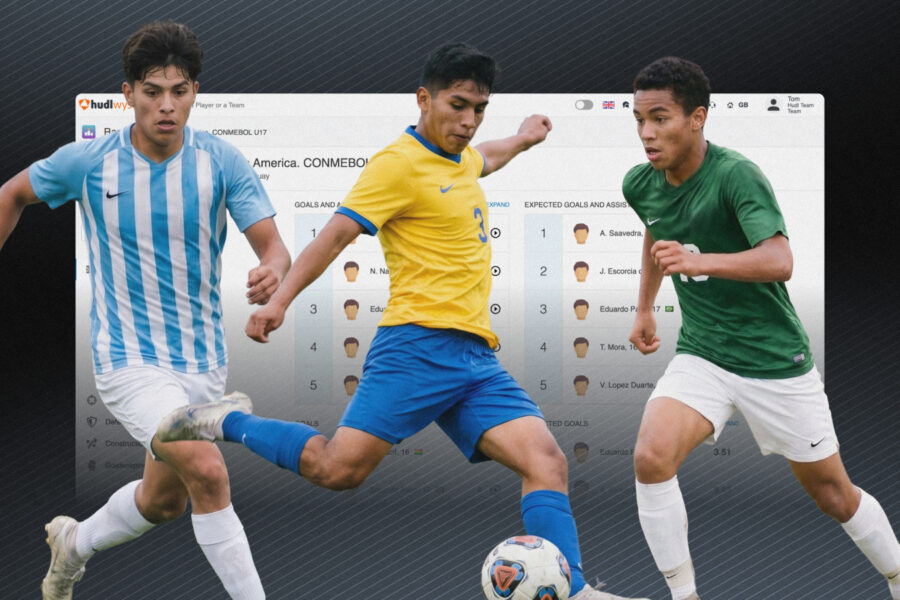
South America’s next generation is already on the move — several already signed by elite clubs. Here’s who else your department should have on the radar now.

Colombia: Early Signs of a Golden Generation?
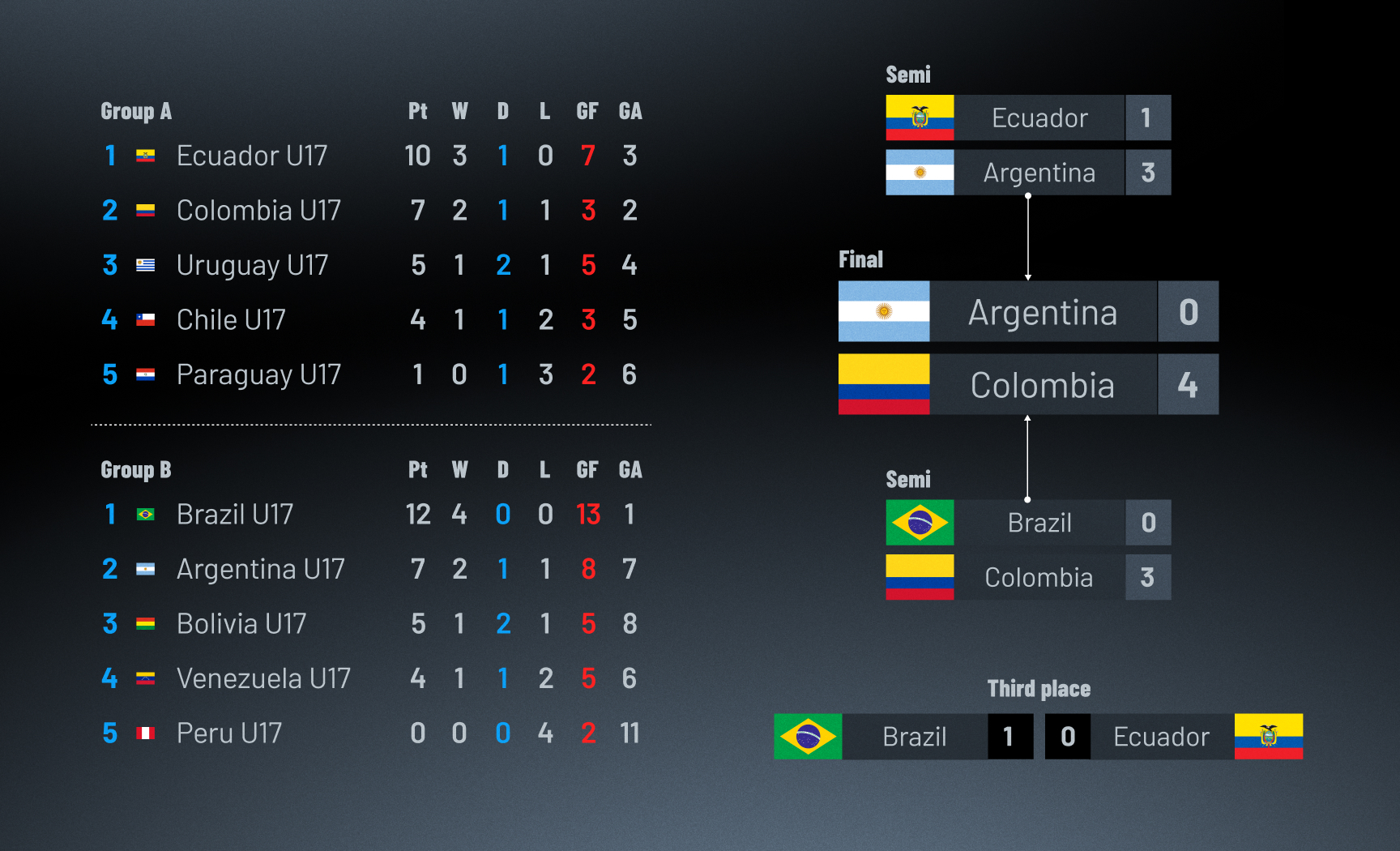
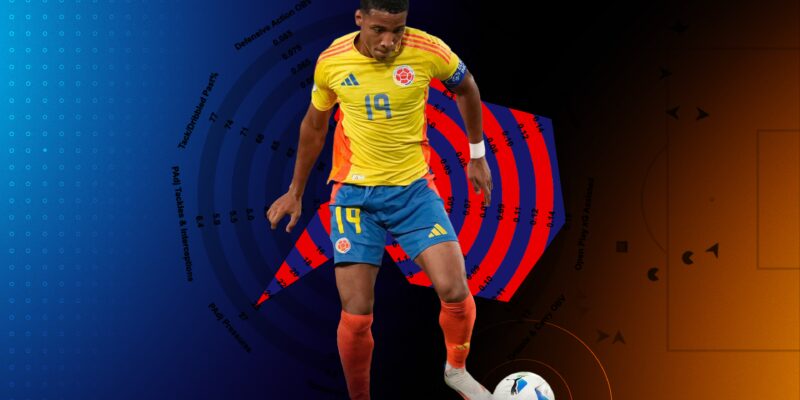
When discussing South American youth football, attention is often drawn first to Brazil and Argentina. At this year’s U17 Sudamericano, however, it was Colombia who emphatically shifted that focus, sweeping aside both traditional powerhouses in dominant fashion, with a 3–0 victory over Brazil in the semi-finals followed by a 4–0 win against Argentina in the final.
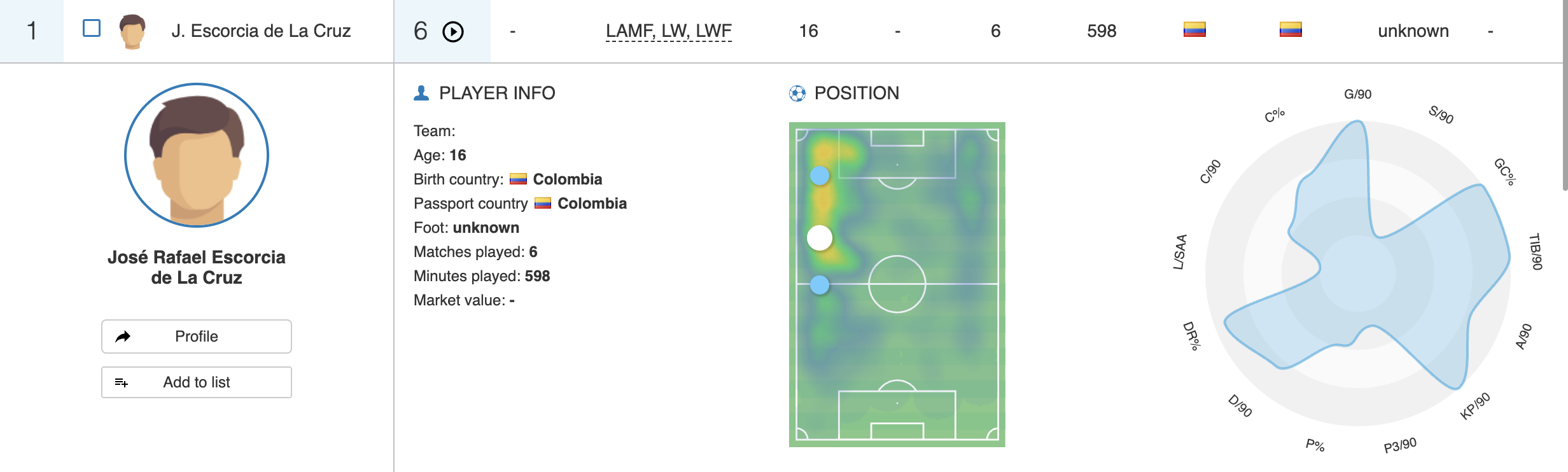
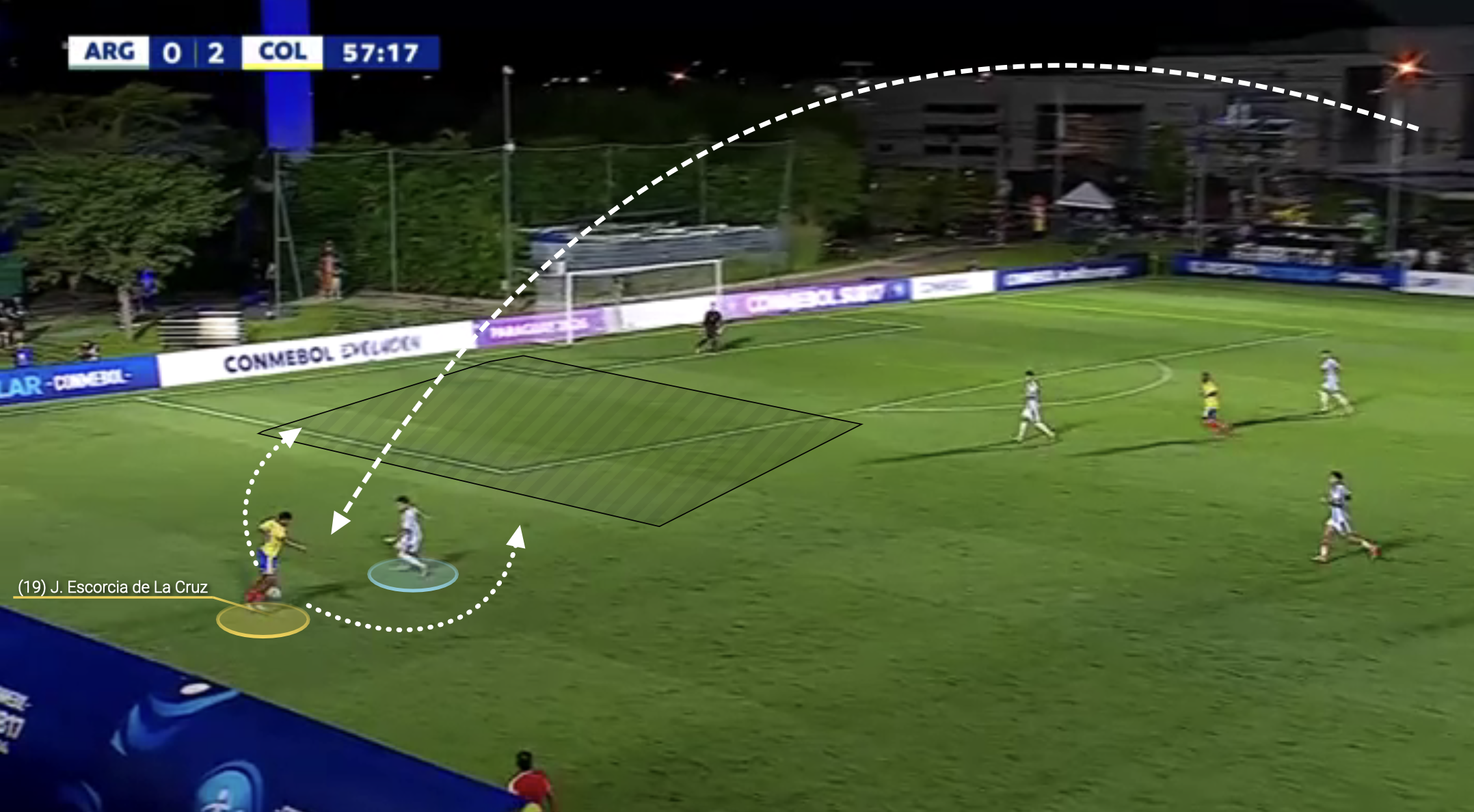
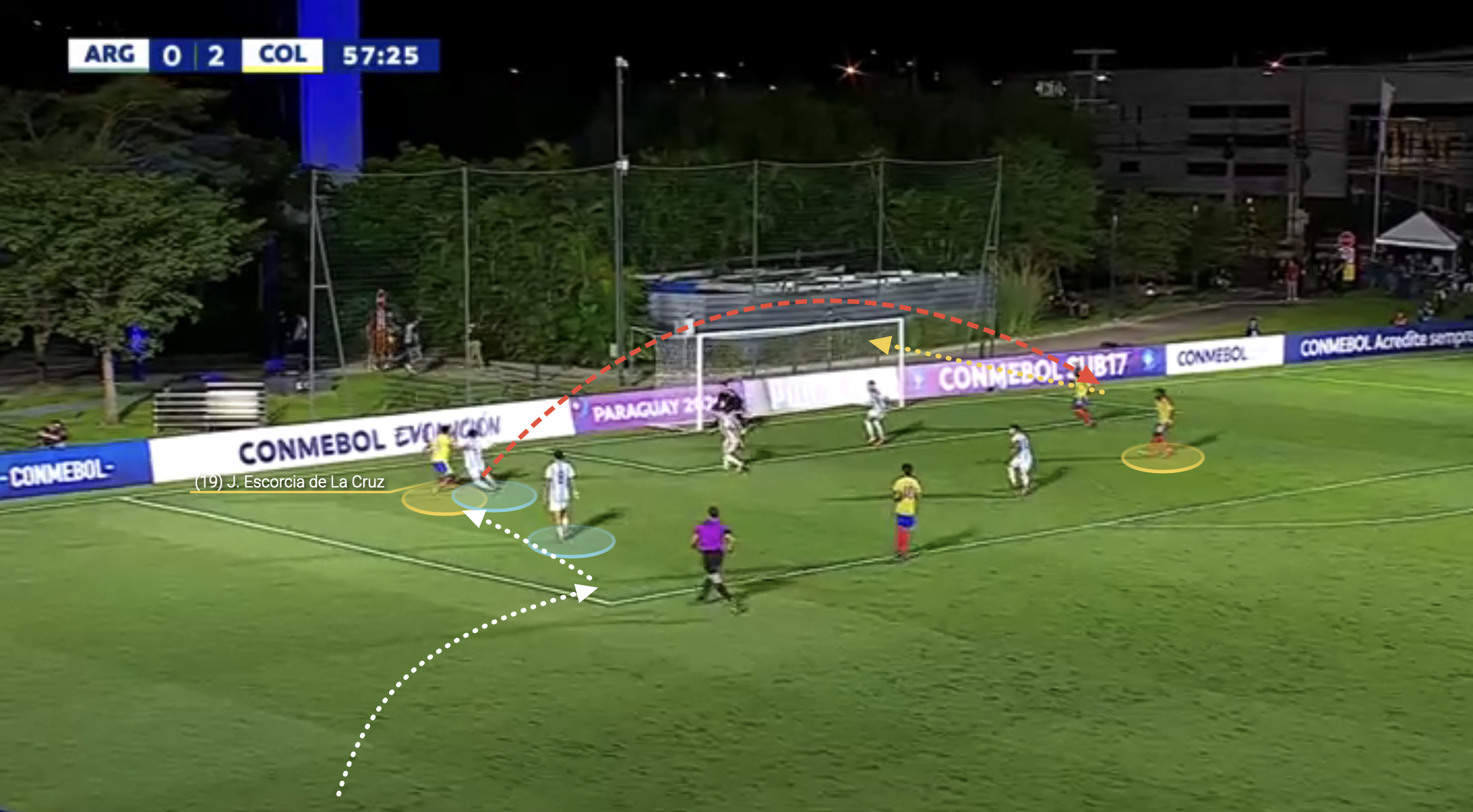
His output was supported by standout underlying numbers and that, crucially, three of his goals arrived in Colombia’s two biggest matches – the semi-final against Brazil and the final versus Argentina – underlining his capacity to deliver in decisive moments.
There are also stylistic parallels with fellow Colombian wide forward Luis Díaz. Like Díaz, Escorcia emerged from Colombia’s Caribbean coast, hailing from Cartagena, and shares a similarly explosive profile: a left-sided attacker capable of destabilising defenders in isolation while still carrying a consistent goal threat. At this stage, comparisons should naturally remain cautious, but the similarities in both background and playing style are difficult to ignore.
Another Colombian player to emerge from the tournament with significantly increased attention was Samuel Martínez, who has reportedly attracted interest from Liverpool, among others in Europe.
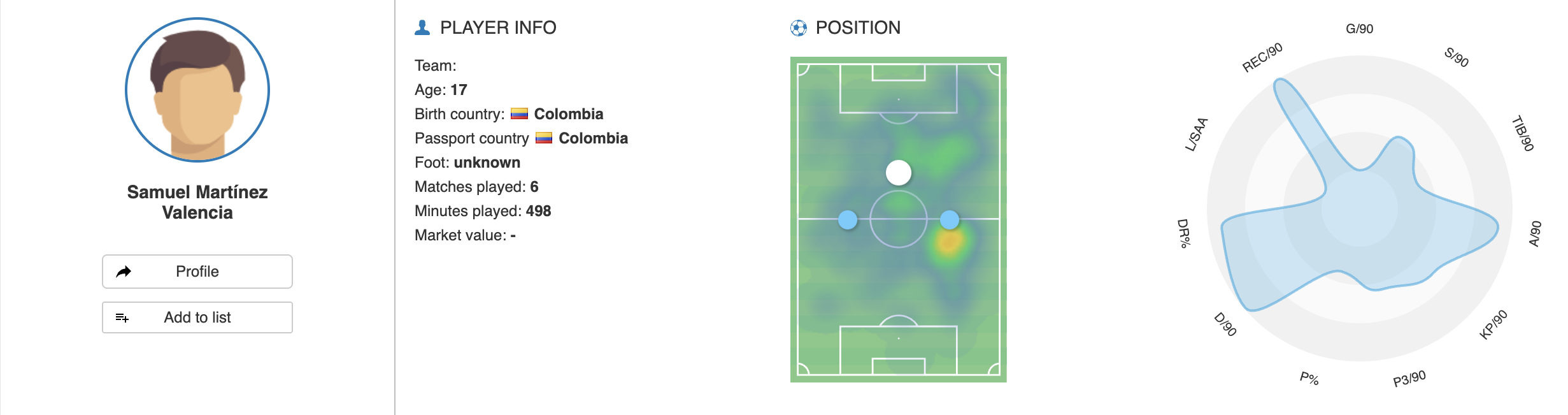
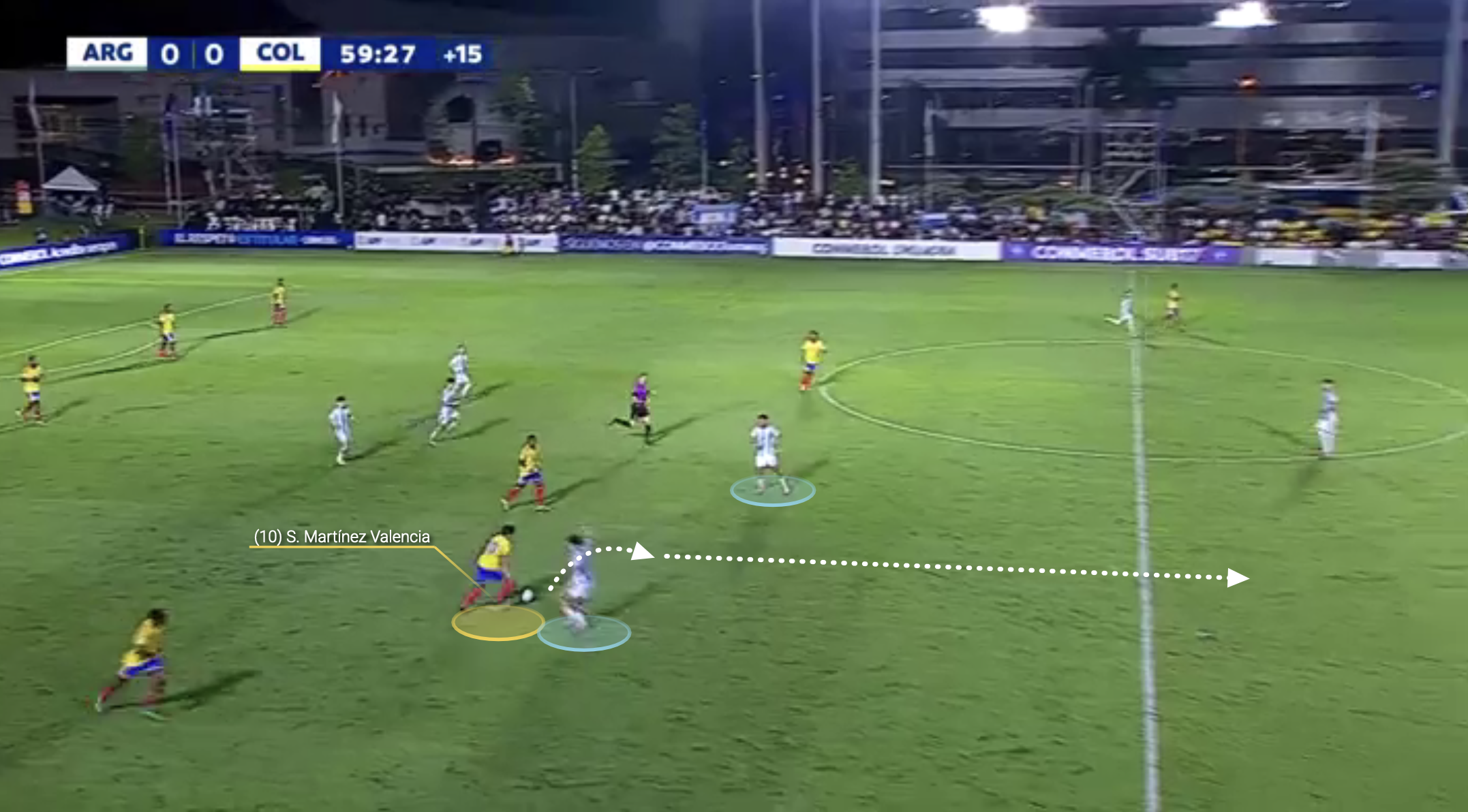
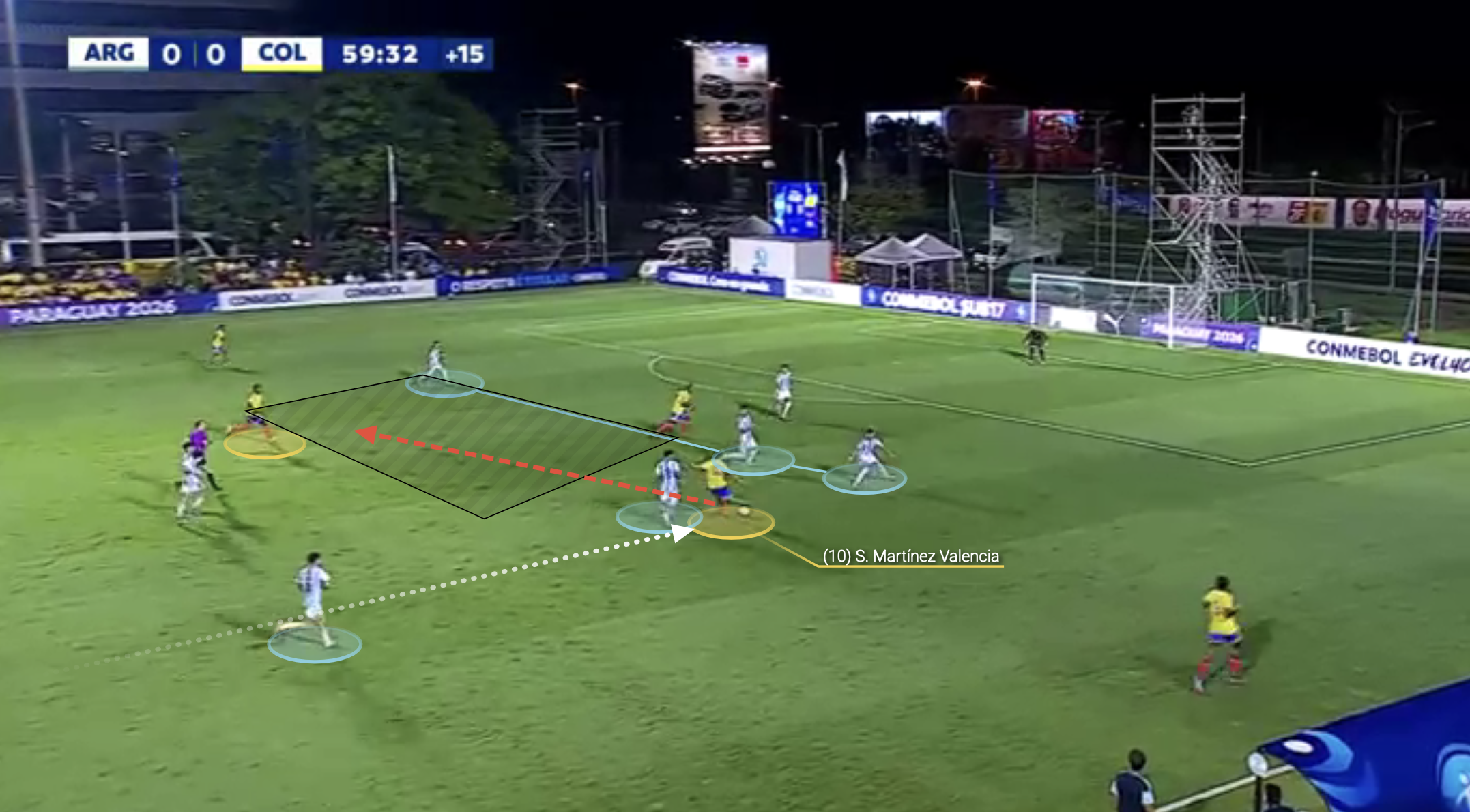
Colombia has long produced technically gifted attacking midfielders, and Martínez already looks capable of continuing that tradition. While early comparisons to James Rodríguez and Kaká are inevitable, Martínez appears more naturally suited to the demands of the modern game. Rather than operating solely as a traditional playmaker, he functions more as an advanced number eight/ten hybrid, capable of carrying the ball through midfield, covering ground dynamically and contributing in transition phases.
The video reinforces what the data suggests: a midfielder capable not only of creating, but of advancing possession himself through tight spaces and transitional moments. At U17 level, Martínez’s blend of technical quality, athleticism and verticality made him one of the tournament’s most intriguing midfield profiles.
Beyond Escorcia and Martínez, several other Colombian players also enhanced their reputations across the tournament. Central midfielder Miguel Ángel Agámez impressed with his composure and technical security in possession, while holding midfielder Eider Carrillo brought balance and defensive control to the side. Centre-back Juan José Fori emerged as one of the more physically imposing defenders in the competition, and centre forward Adrián Mosquera offered a consistent presence leading the line.
Collectively, the depth of the squad helped reinforce the sense that Colombia may possess one of its strongest youth generations in recent memory. Significantly, this marked the country’s first U17 Sudamericano title since 1993, ending a wait of more than three decades and giving further weight to the growing optimism surrounding the nation’s emerging talent pipeline.
Argentina: Quality Shines Through Despite Final Defeat
Argentina ultimately left the tournament with mixed emotions. A heavy defeat to Colombia in the final brought a disappointing end to the campaign, while the earlier loss to Brazil during the group stage also exposed areas requiring improvement before the U17 World Cup.
Yet despite those setbacks, there was still plenty for Argentina to feel optimistic about – namely a number of technically gifted individuals capable of attracting attention from scouts.
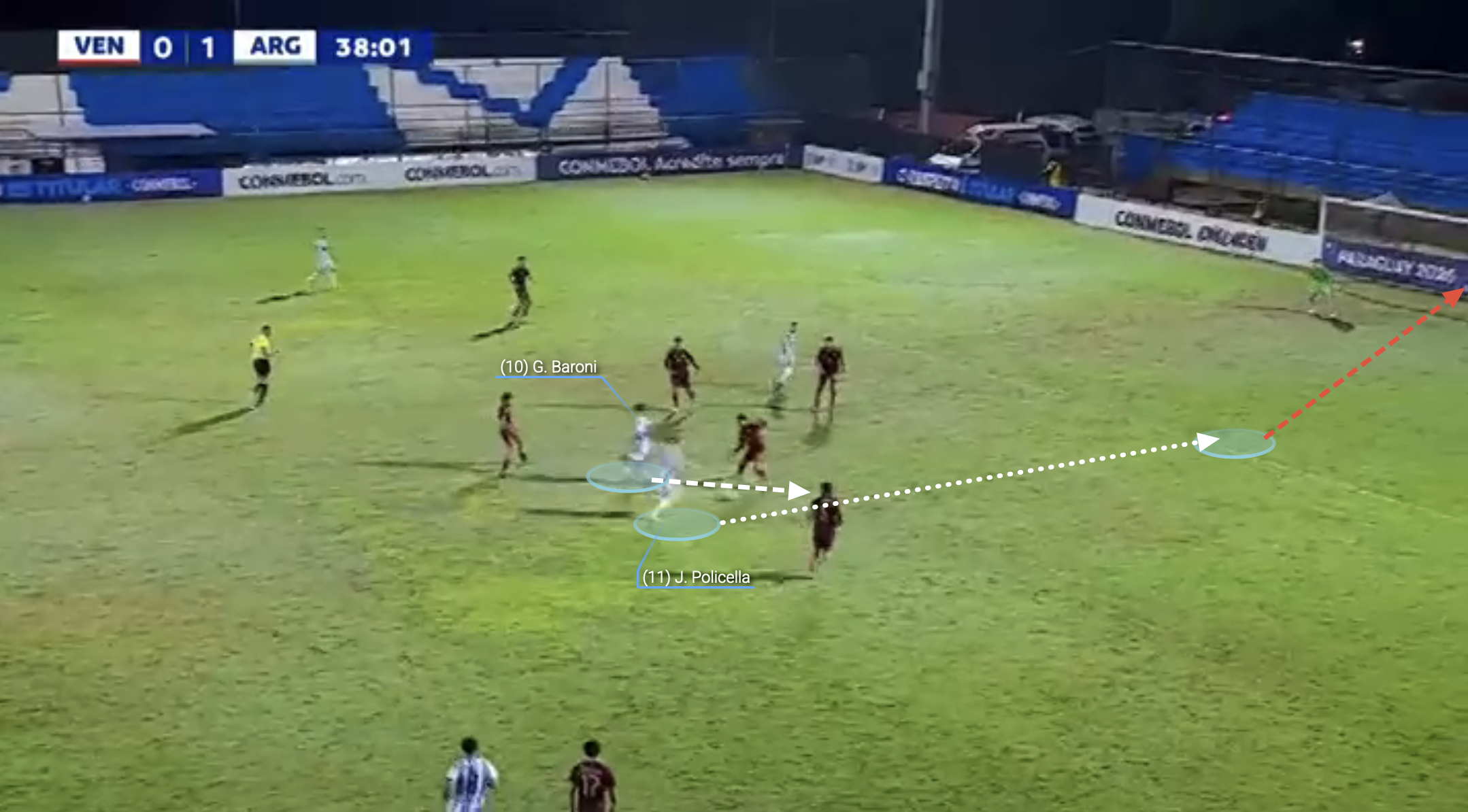
One of Argentina’s standout performers was Simón Escobar. The Vélez Sarsfield left-back has now received a call-up to Argentina national football team manager Lionel Scaloni’s senior training setup prior to the competition, a clear indication of how highly he is regarded within the federation’s long-term plans.
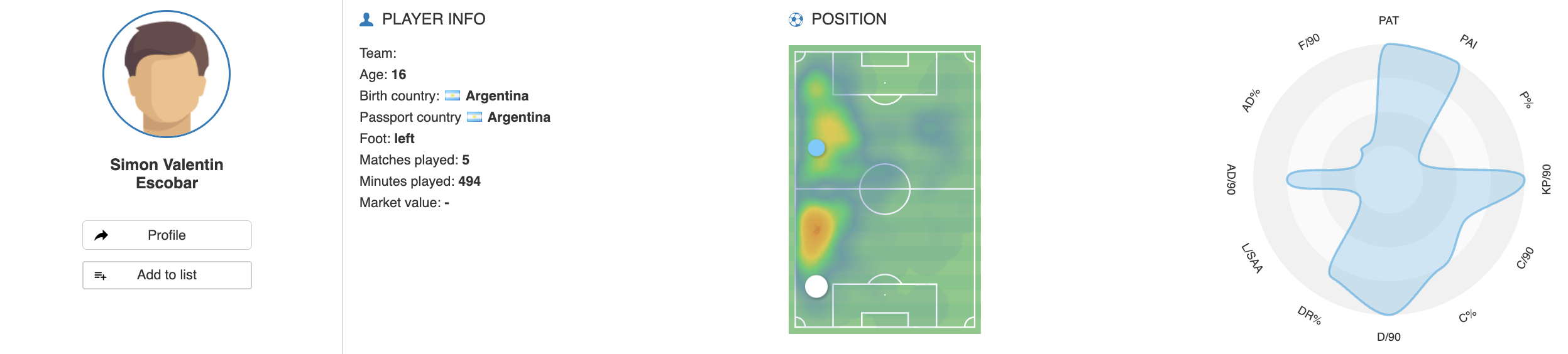
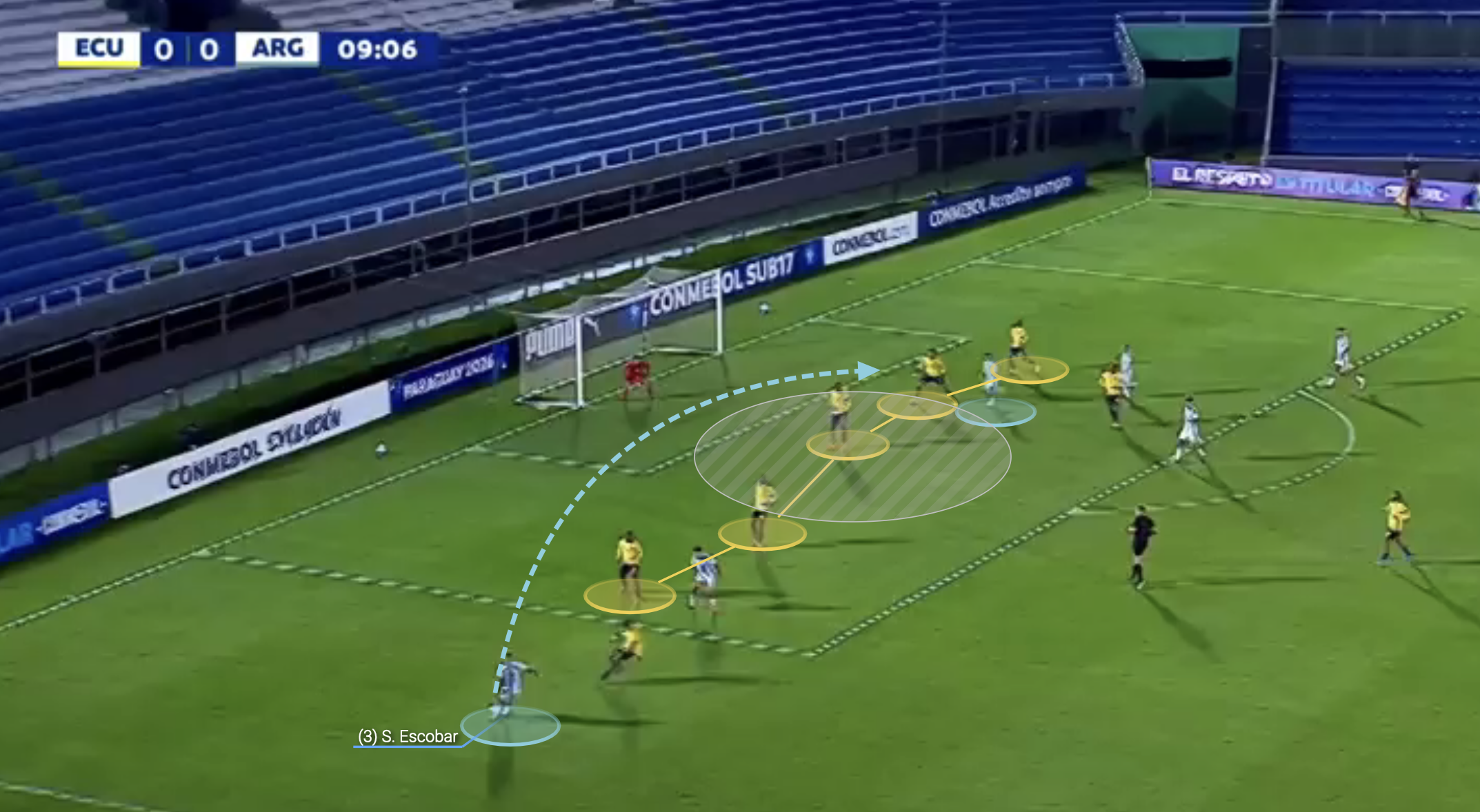
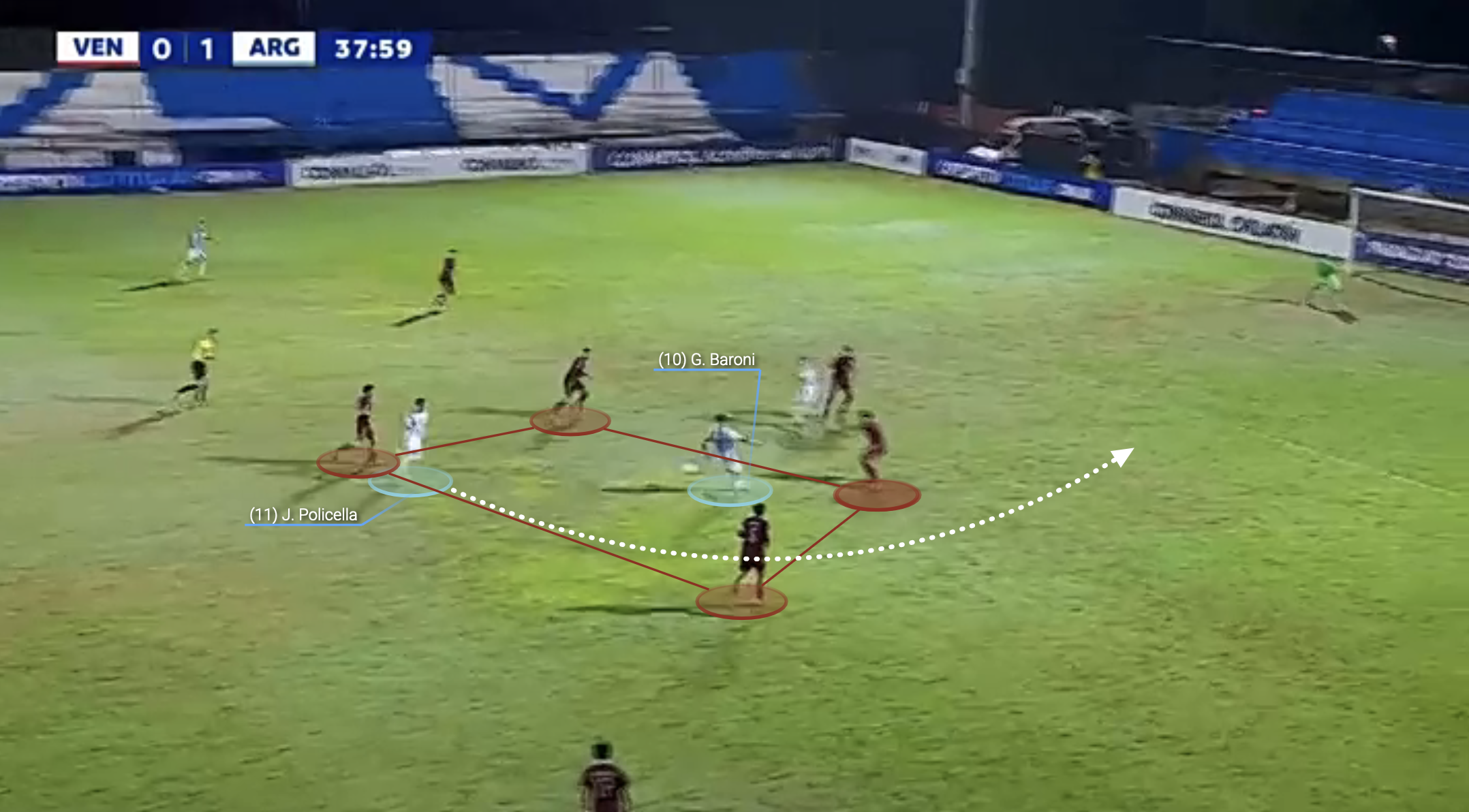
A modern full-back profile, Escobar combined an extremely high work rate with the technical quality to influence the game in multiple phases. Defensively aggressive and quick across the ground, he was equally effective driving forward from wide areas or stepping inside into midfield zones during possession sequences.
Ecuador’s Production Line Continues
Ecuador's rise from regional outsider to one of South America's most productive talent factories has been one of the defining football stories of the past decade. A combination of improved youth development, greater international exposure and increasingly sophisticated recruitment networks has transformed the country's reputation.
The 2026 U17 Sudamericano provided further evidence of that evolution, with several members of the squad already tied to major European clubs before making a meaningful impact at senior level.
Johan Martínez provided perhaps the clearest example of this accelerating recruitment cycle. The highly-rated winger completed a move to Newcastle United shortly before the tournament, meaning much of the groundwork behind the transfer had necessarily been completed before he stepped onto the Sudamericano stage.
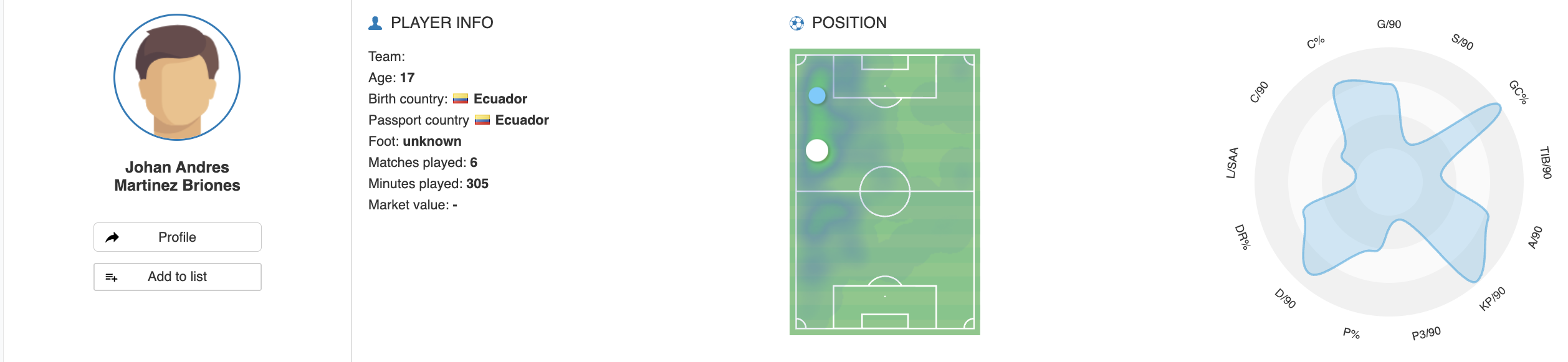
In an era where platforms such as Hudl Wyscout provide extensive access to youth competitions and club-level footage, scouts are increasingly able to build detailed assessments long before players make their first-team breakthrough. For talents emerging from academies such as Independiente del Valle, tournaments like the U17 Sudamericano can now often be used to confirm existing evaluations rather than create them.
It is easy to see why Newcastle identified Martínez as a player worth investing in. An electric dribbler with sharp acceleration and the confidence to take on defenders in one-on-one situations, he brought excitement whenever he received possession in advanced areas.
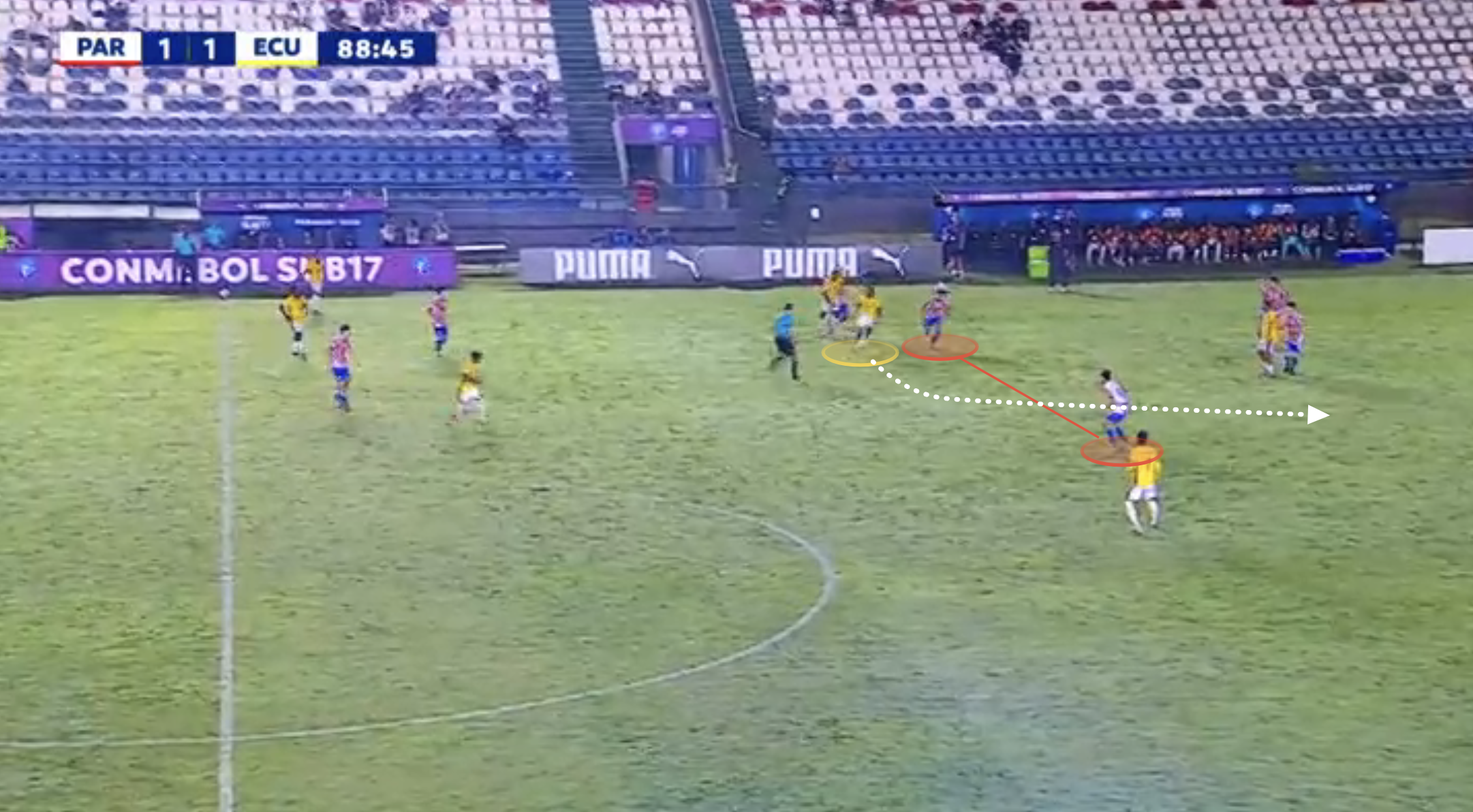
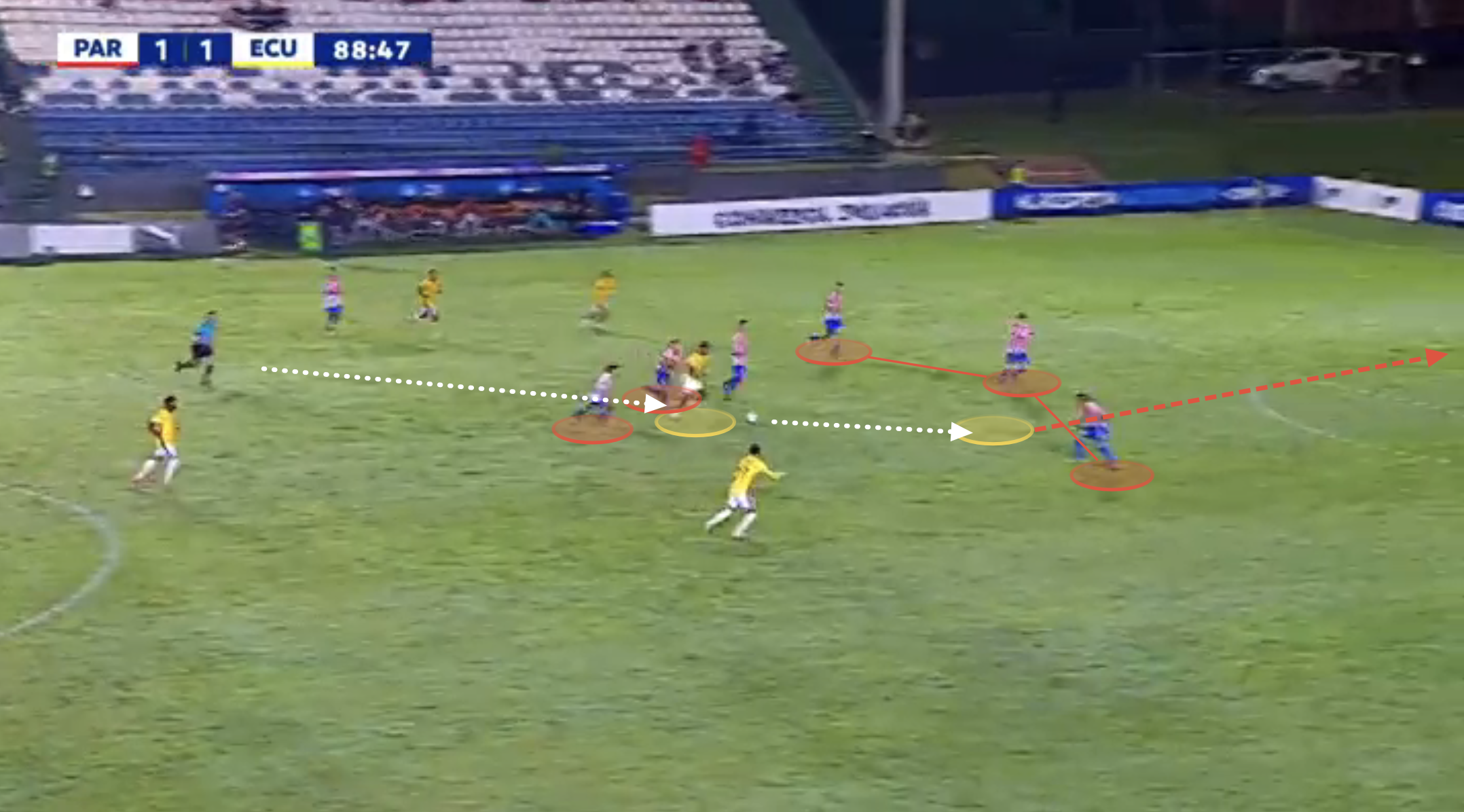
Physically, he still appears some way from maturity, possessing a tall, slender frame that he is yet to fully grow into, leaving the impression that there may be significant further development to come alongside his already evident technical quality.
Martínez was far from the only Ecuadorian prospect arriving at the tournament with significant attention already attached to his name. Centre-back Deinner Ordóñez has already been signed by Chelsea and, further forward, attacking twins Holger and Edwin Quintero continued to justify the excitement surrounding their development after securing moves to Arsenal.
Their emergence offered yet another example of Ecuador's – and in particular Independiente del Valle’s – growing ability to produce attacking talent capable of attracting elite European interest at an increasingly early age.

Brazil: Another Wave of Elite Prospects
Brazil's campaign ultimately ended in disappointment with a semi-final defeat to eventual champions Colombia, but that result should not overshadow what was otherwise an impressive tournament.
Prior to that setback, Brazil had navigated the group stage with a perfect record, winning all four matches, scoring 13 goals and conceding just once. Among those victories was a commanding 3–0 win over Argentina, underlining the quality within a squad that, despite falling short of the title, once again showcased a wealth of high-level talent.
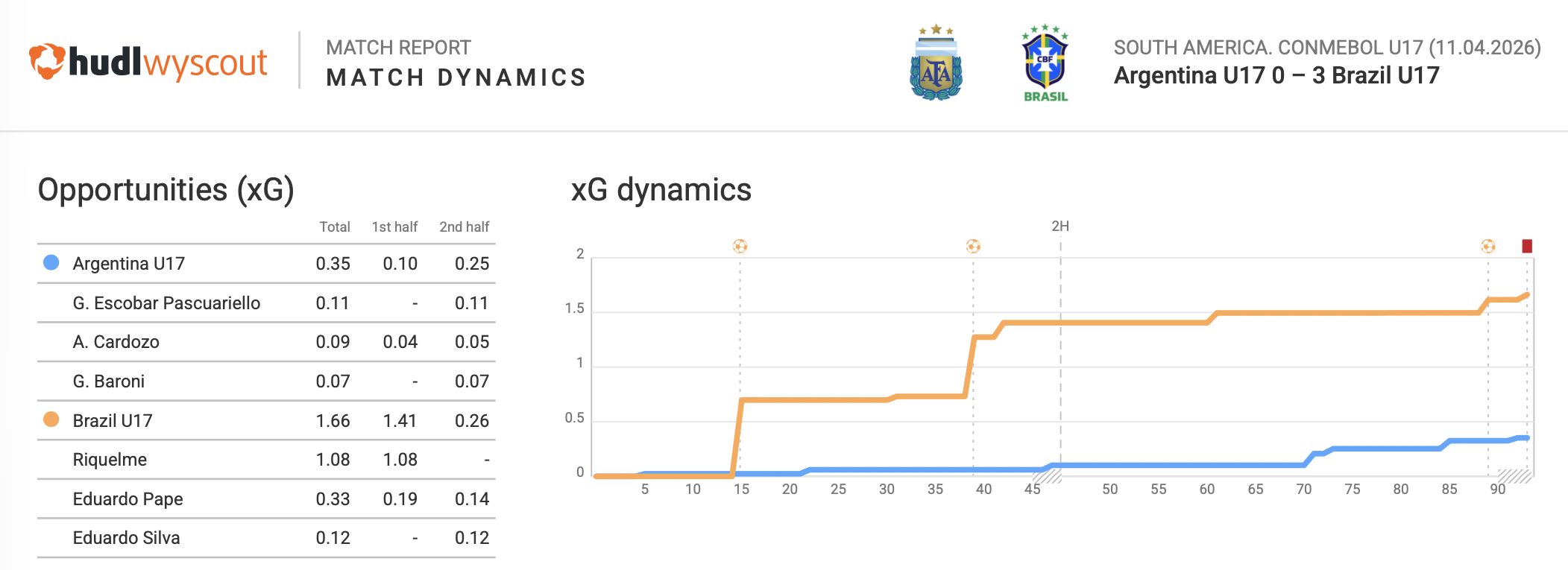
Among the standout performers was Palmeiras winger Eduardo Conceição, who continued the momentum generated by an impressive showing at the Copinha earlier in the year.
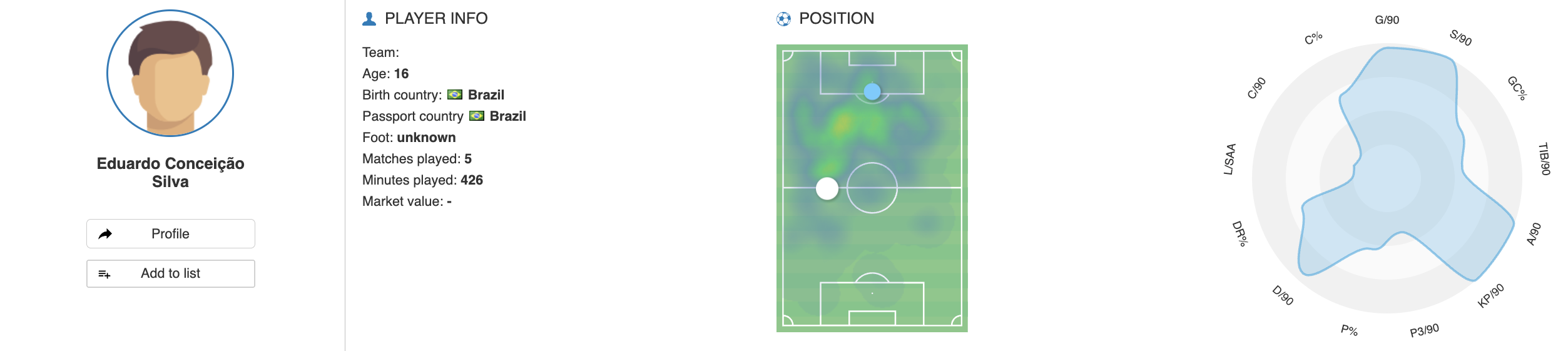
The tournament offered further evidence of why he is so highly regarded. Conceição finished with two goals and two assists – combining end product with the direct attacking play that has become his trademark. His willingness to carry the ball forward placed him among the most aggressive ball-progressors in the competition.
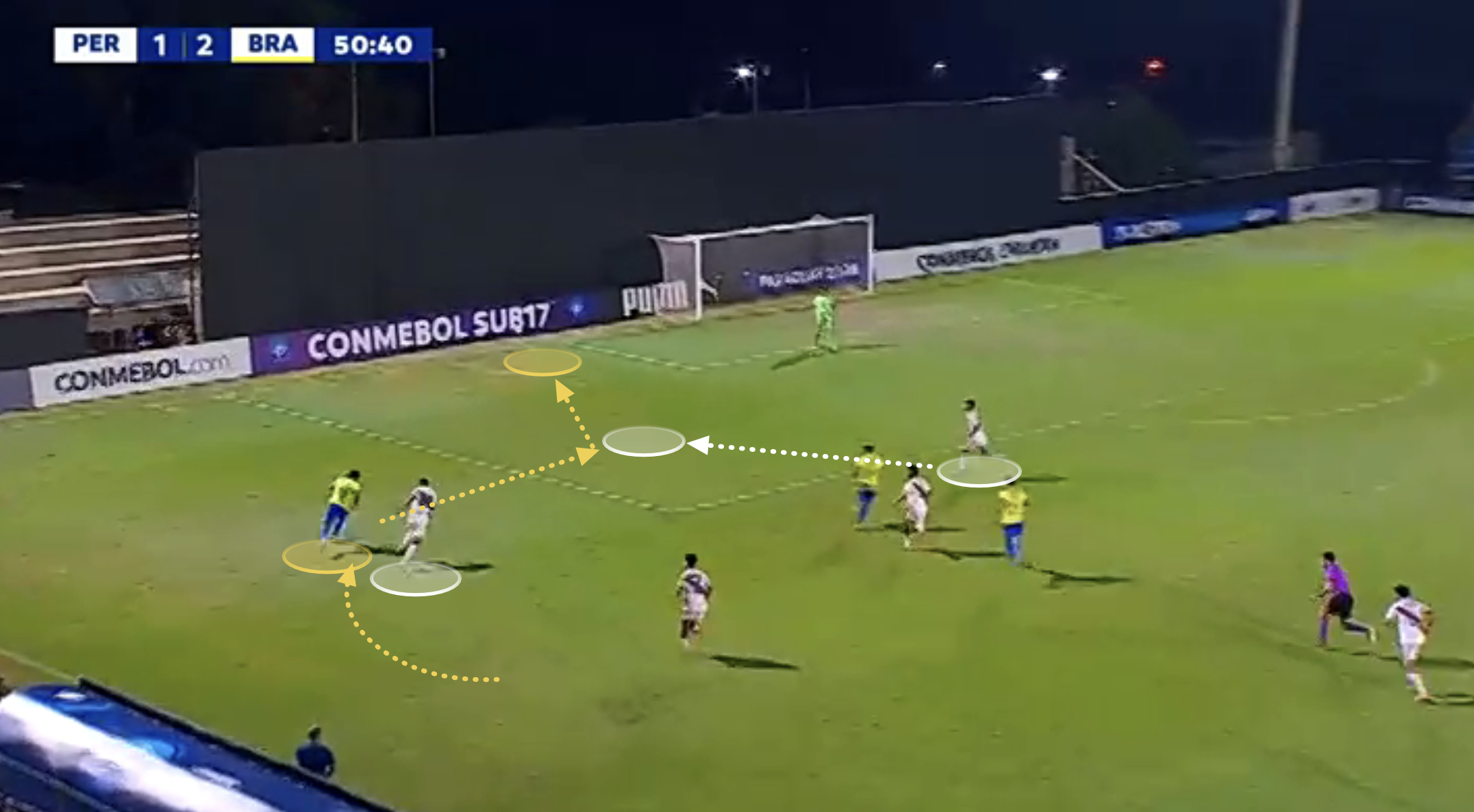
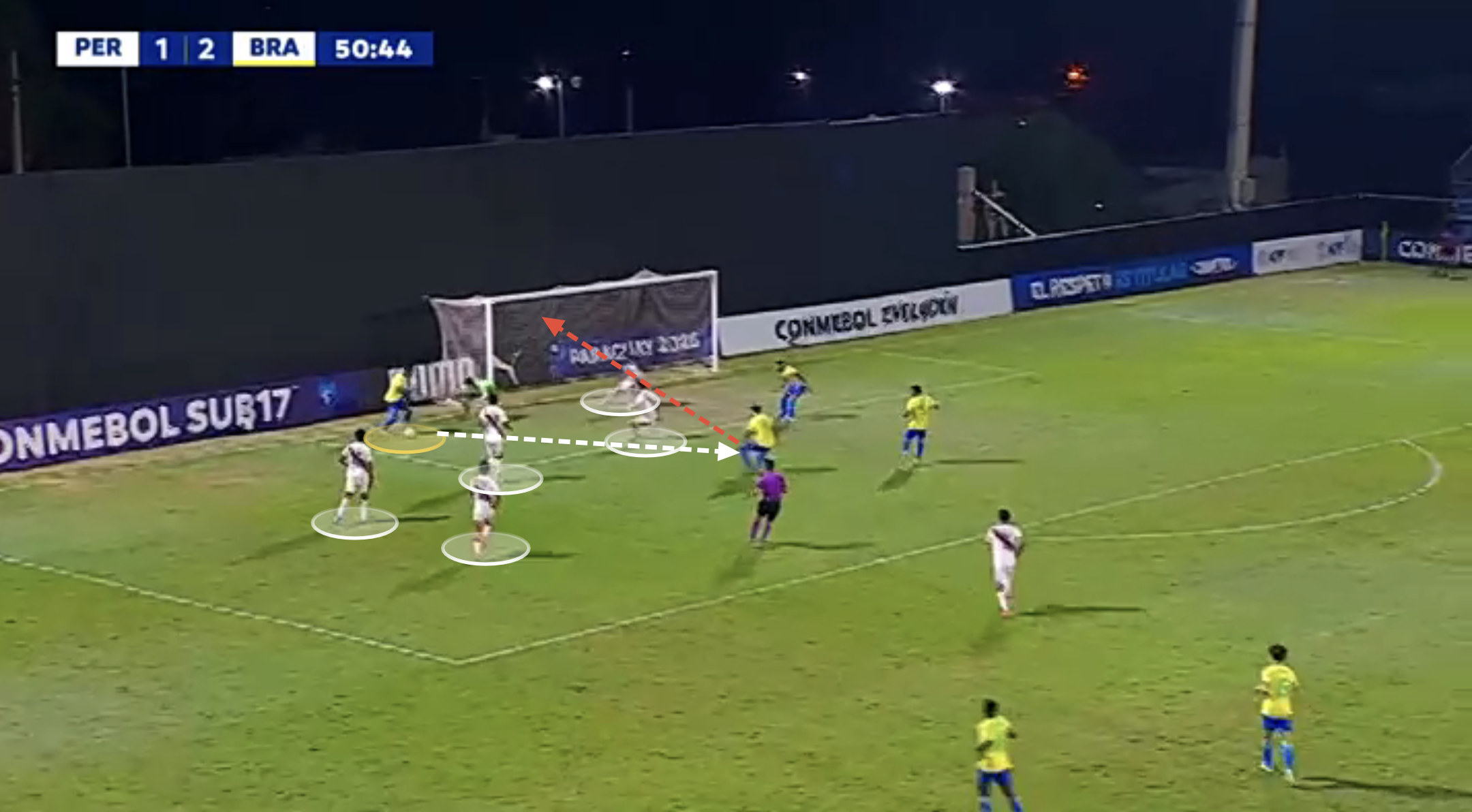
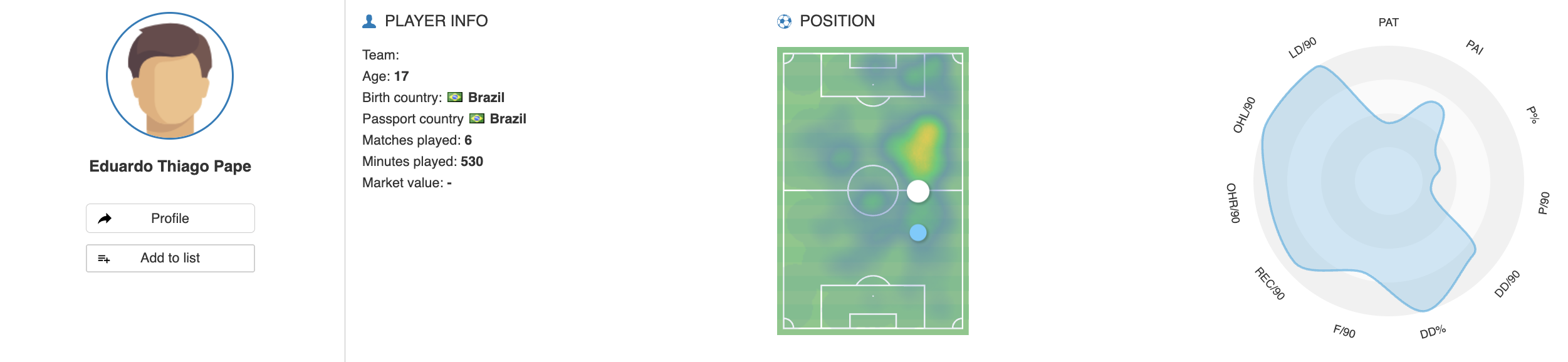
Pape finished as the competition's joint-top scorer with four goals and consistently found himself in dangerous positions, reflected by a tournament-leading xG of 3.81. His finishing was equally impressive, yet his impact extended well beyond goals. Pape also recorded the best progressive passing accuracy in the competition, highlighting a player capable of both advancing possession and contributing decisively in the final third.
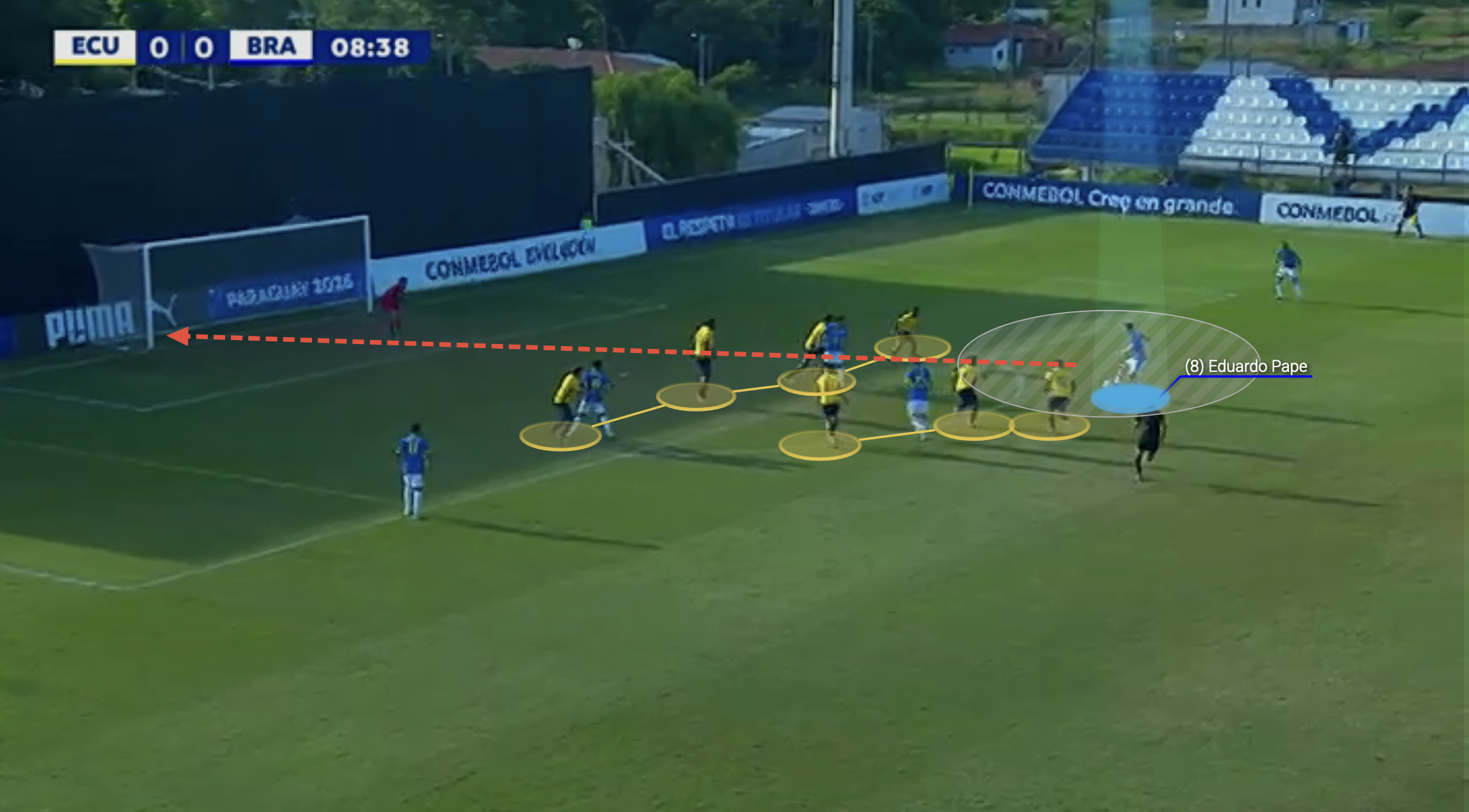
For scouts, that combination of goal threat and ball progression is particularly appealing. While many young midfielders tend to excel in one phase of the game, Pape demonstrated an ability to influence matches across multiple dimensions, making him one of the most complete profiles on display.
While Brazil ultimately fell short of another continental title, the tournament once again reinforced a familiar conclusion: few nations can match the depth, variety and quality of the talent emerging from the Brazilian development system.
Beyond the Heavyweights: Emerging Talent Across the Region
The traditional powers dominated much of the discussion surrounding the tournament, but the U17 Sudamericano once again demonstrated the value of casting a wider scouting net across the continent. Several players representing nations outside the semi-finalists enhanced their reputations over the course of the competition, offering further evidence that South America's talent pool extends far beyond its most established production lines.
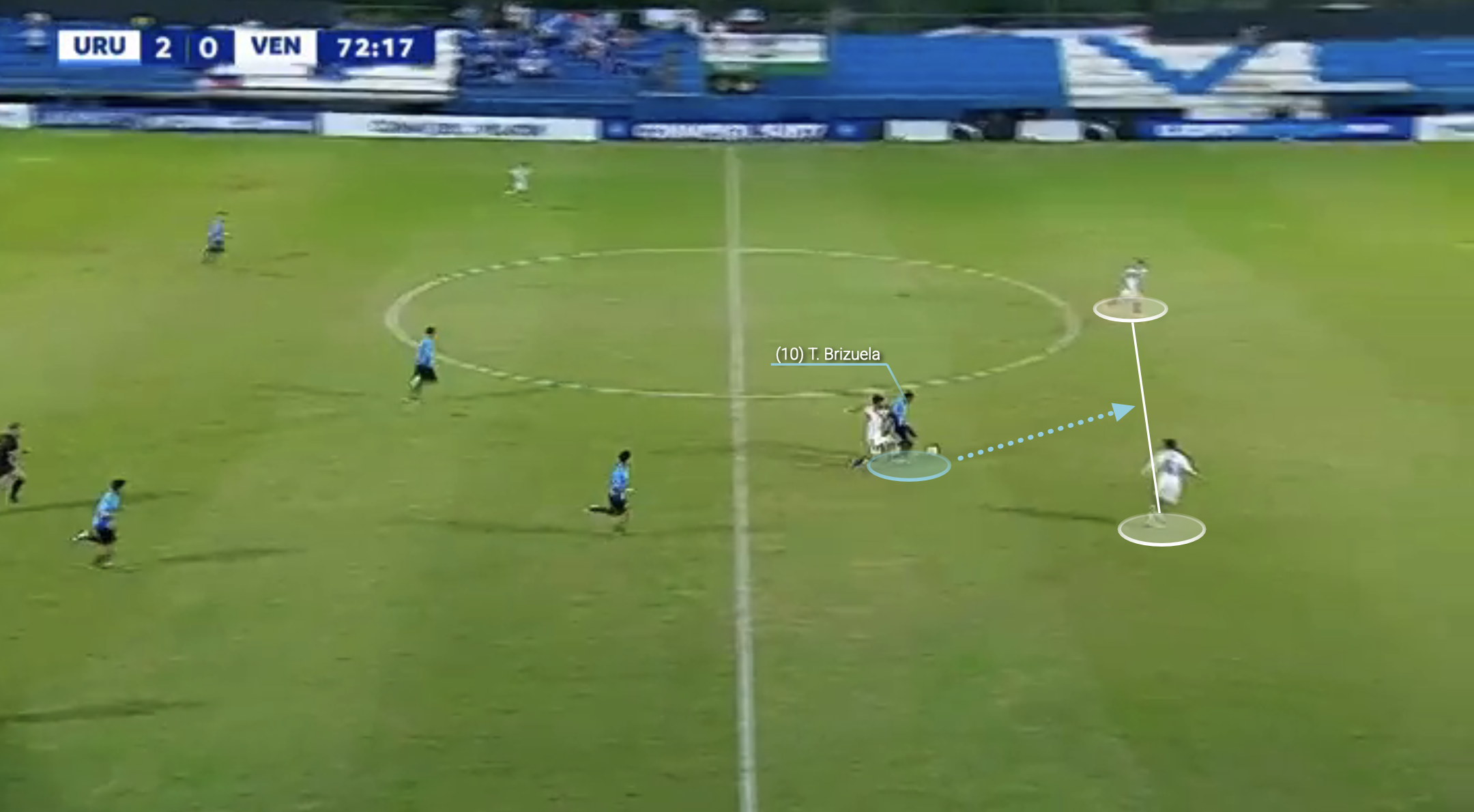
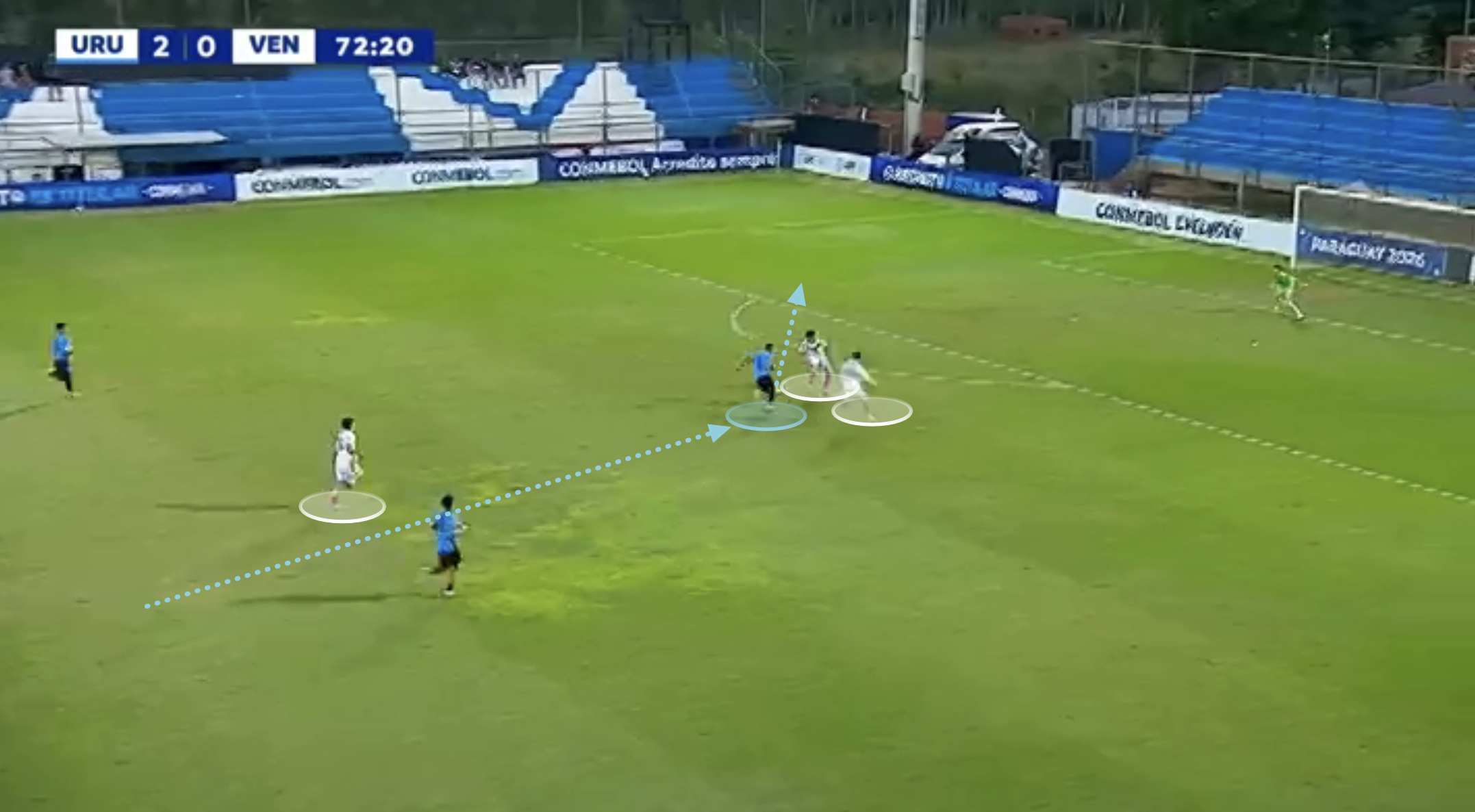
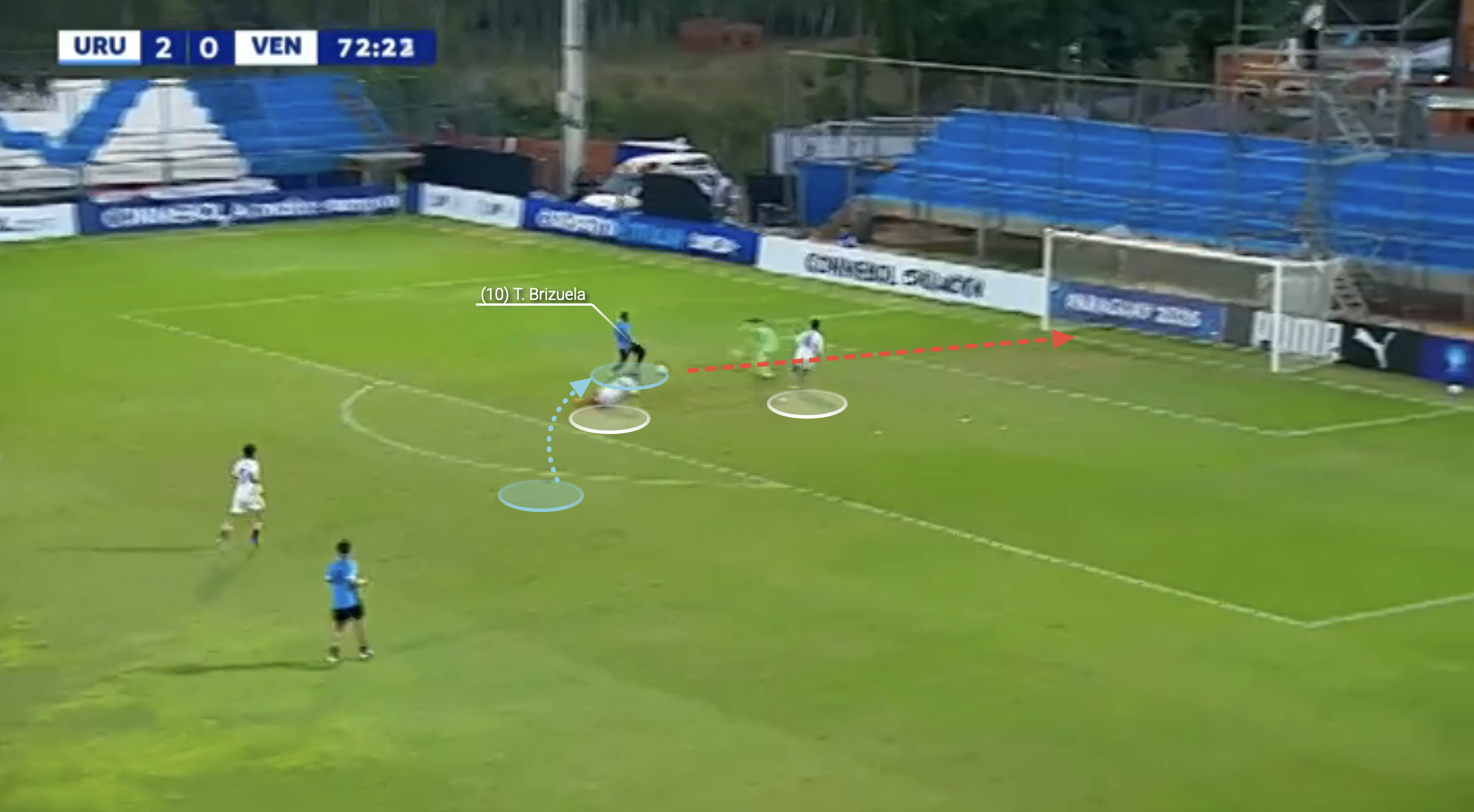
For Uruguay, Liverpool playmaker Thiago Brizuela impressed with his creativity and ability to dictate attacking phases from central areas. Alongside him, Peñarol centre-back Gabriel Da Silva displayed the physical competitiveness and defensive awareness that have long been hallmarks of the country's player development pathway.
Bolivia also emerged from the tournament with reasons for optimism, producing several competitive performances and securing valuable exposure for a new generation of players – with 16-year-old striker Nabil Nacif of Oriente Petrolero the standout figure.
For Chile, one of the most encouraging stories was the emergence of Universidad Católica striker Amaro Riveros. Still only 15 years old, Riveros was among the youngest players at the tournament yet showed little sign of being overawed by the occasion, finishing with three goals against opponents often one or even two years his senior.
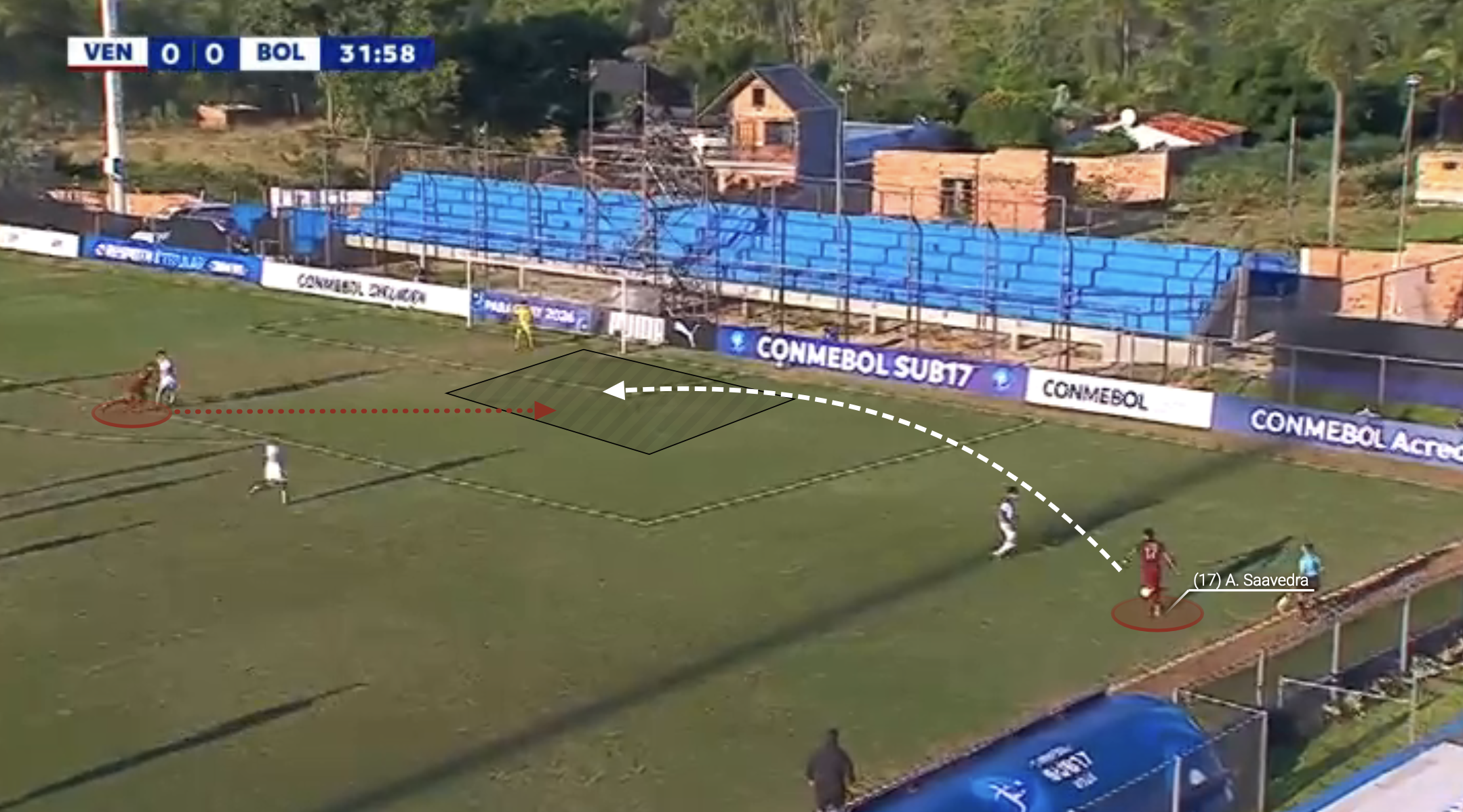
For Venezuela, right winger Andy Saavedra was the player who most consistently caught the eye. He finished the tournament with two goals and, perhaps more notably, recorded more crosses than any other player in the competition, highlighting both his willingness and ability to create from wide areas.
That emphasis on crossing and chance creation also offered a useful reminder that productive wide attackers do not always fit the traditional South American mould of inverted dribblers cutting inside, with Saavedra frequently looking to stretch the pitch and provide service from advanced wide positions.
Paraguay's standout prospect was Olimpia left-back Kevin Amarilla, who combined defensive reliability with genuine attacking value. Among the tournament's best defenders, few could match his balance across both phases of the game. Amarilla regularly providing quality delivery from wide areas, while his defensive numbers were equally impressive.
While it remains far too early to determine which of these prospects will ultimately reach the highest levels of the game, the 2026 U17 Sudamericano once again highlighted the value of identifying talent early in the development pathway.
With scouting departments now able to combine live observation with extensive video analysis through platforms such as Wyscout, tournaments like this have become increasingly important reference points in the recruitment process.
For clubs willing to invest in long-term talent identification, the next generation of South American talent is already coming into focus.
If you want to find out more about how to use Hudl Wyscout for your scouting, recruitment, and talent evaluation workflows, click here.
Find out more about the Youth Competitions Pack.
Follow Golazo on X.