Record, Rank, Publish: 10 Coaching Strategies to Transform Your Football Program

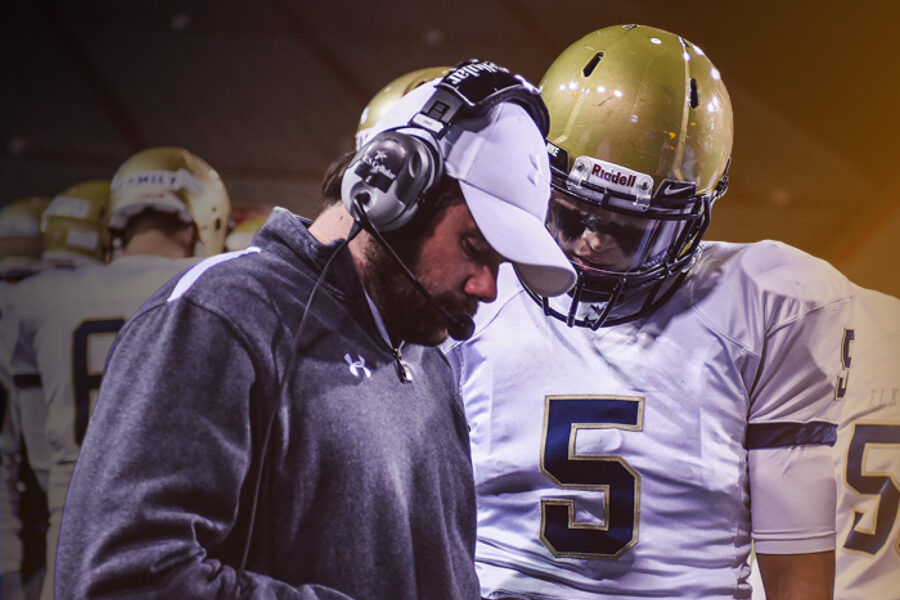
If you’re not measuring, you’re guessing. And when you’re guessing, you’re leaving athlete development up to chance. Are you willing to take that risk?
The Origin of Record, Rank, Publish for Football
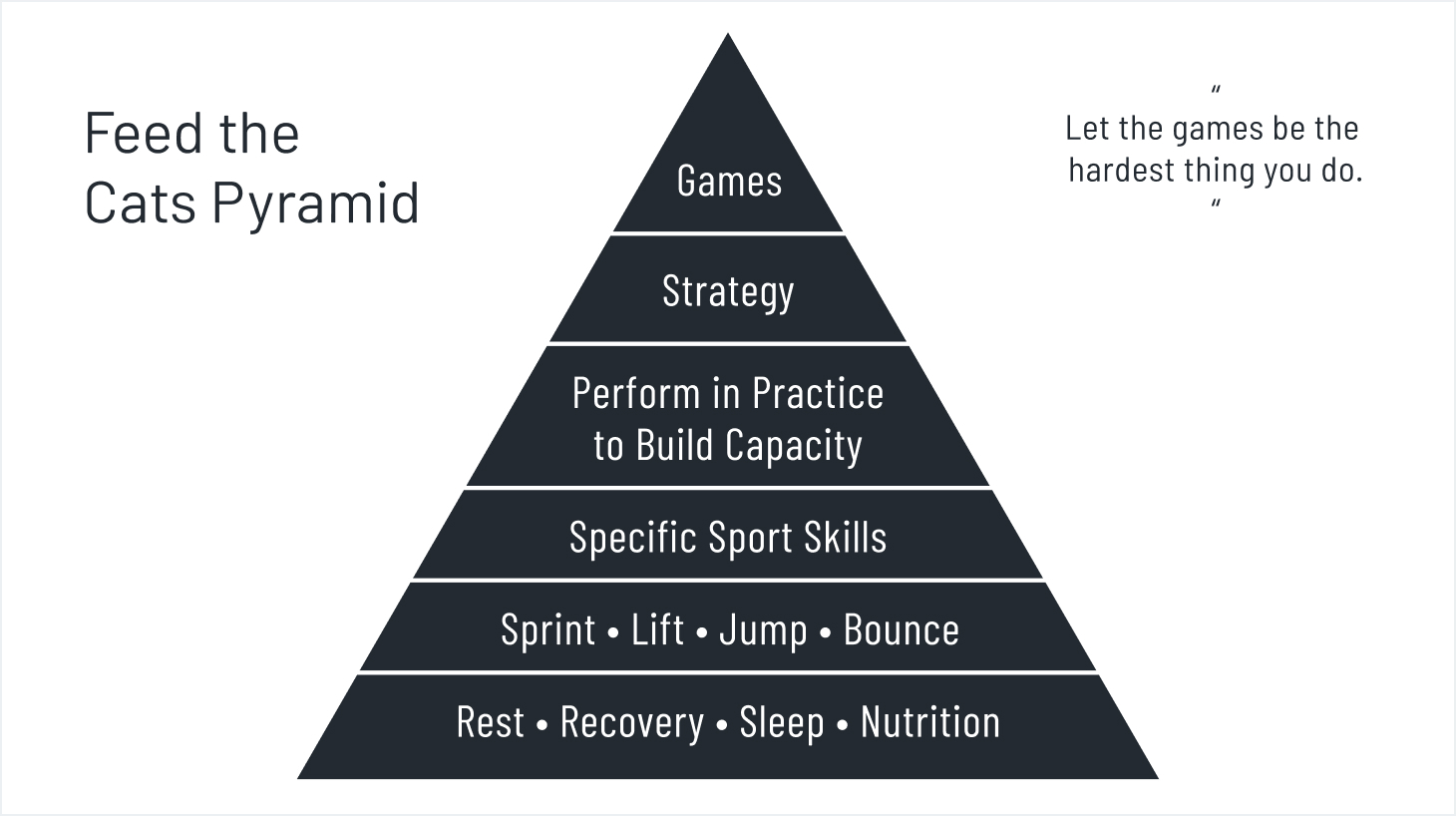
Feed the Cats makes an athlete’s performance the top priority by building on a foundation of rest, recovery, sleep and proper nutrition. Tony Holler wrote about the origins of his Feed the Cats philosophy, I encourage you to read it.
One of the key tenets of the Feed the Cats philosophy is “Record, Rank, Publish.” This has been a key aspect of our football program throughout the years. We implement it all year long to help motivate athletes, drive their intent during their practice and training, and measure the things that really matter when it comes to improving their performance on the field.
Record, Rank, and Publish is a system that makes training meaningful by measuring performance, creating competition, celebrating every athlete’s progress and improvement, and providing data to guide programming.
By focusing on consistency and individual improvement it allows athletes to learn to “Build Their Own House.” Rather than only comparing themselves to others, it helps athletes take ownership of their development and increase their internal motivation to be great! Not only does it help athletes, it also gives coaches powerful tools to inspire, recruit, and build a lasting culture of growth.
I believe this to be true: If you’re not measuring it, you’re guessing. And when you’re guessing, you’re leaving athlete development up to chance. That’s not a risk I’m willing to take and nor should you. That’s why I believe so strongly in Record, Rank, and Publish!
1. Timing Matters
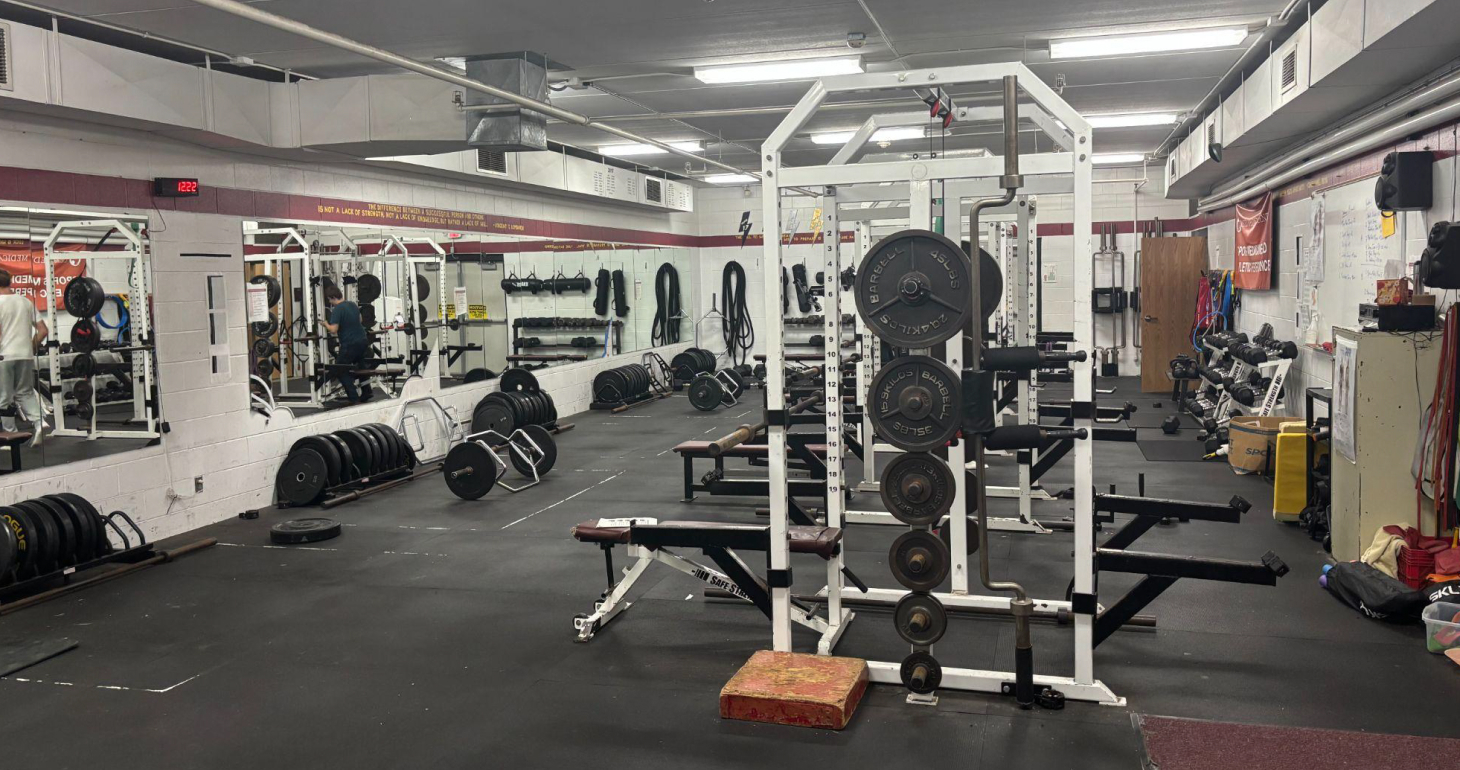
If you aren’t timing, you aren’t sprinting. Without timing, athletes think they’re sprinting when really, they’re just running hard. Until you put a clock on them, they don’t truly know—and neither do you. Most coaches would think you’re crazy if you didn’t measure weight room work, why would you think anything different for speed development?
When you time sprints, effort goes up immediately and you drive intent. Suddenly, athletes aren’t just “finishing the rep,” they’re chasing the clock and potentially a PR.
Playbook Tip: Start simple. Even if you don’t have a timing system, use a stopwatch or phone app. The key is consistency.
6. Use Data That Inspires
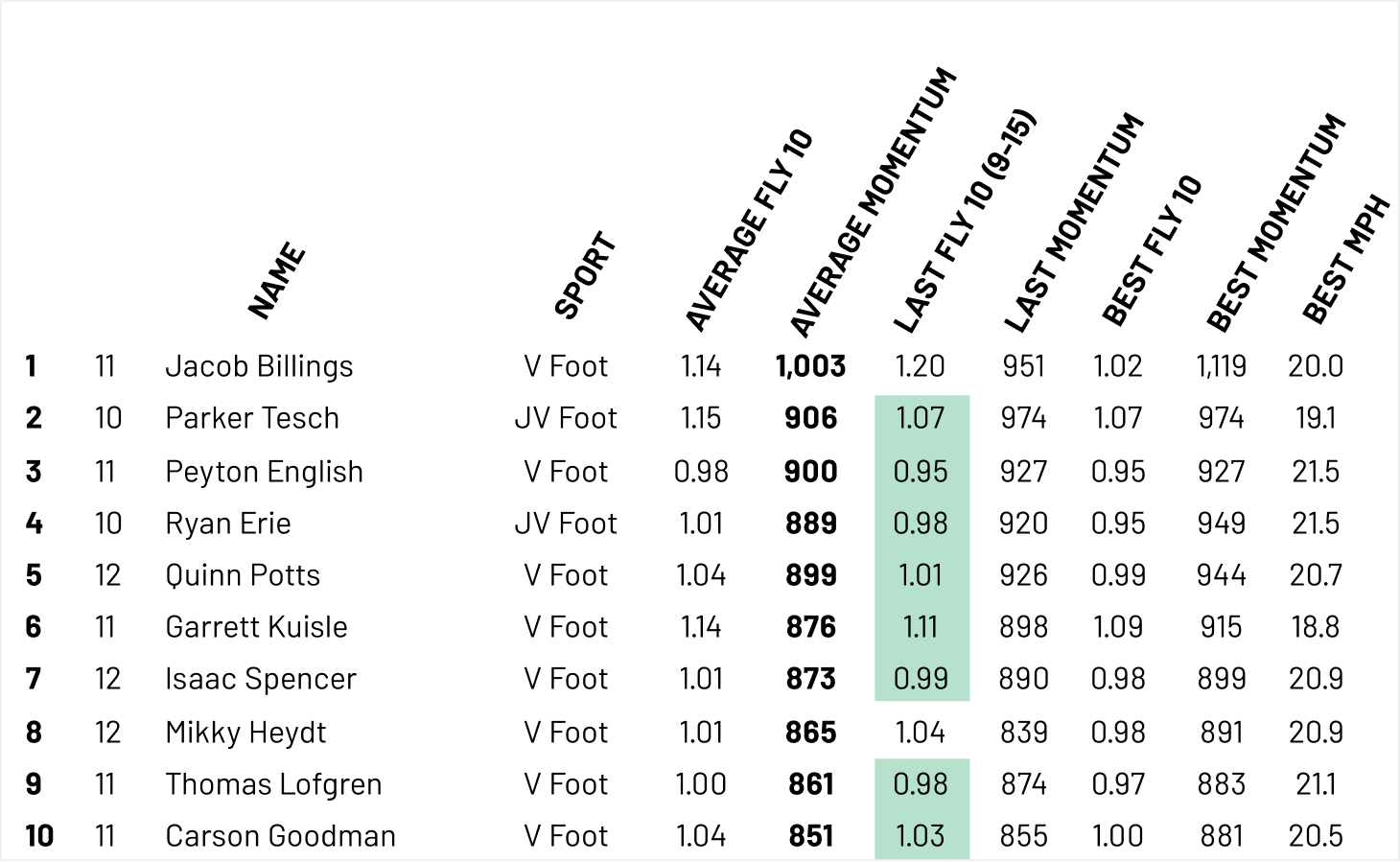
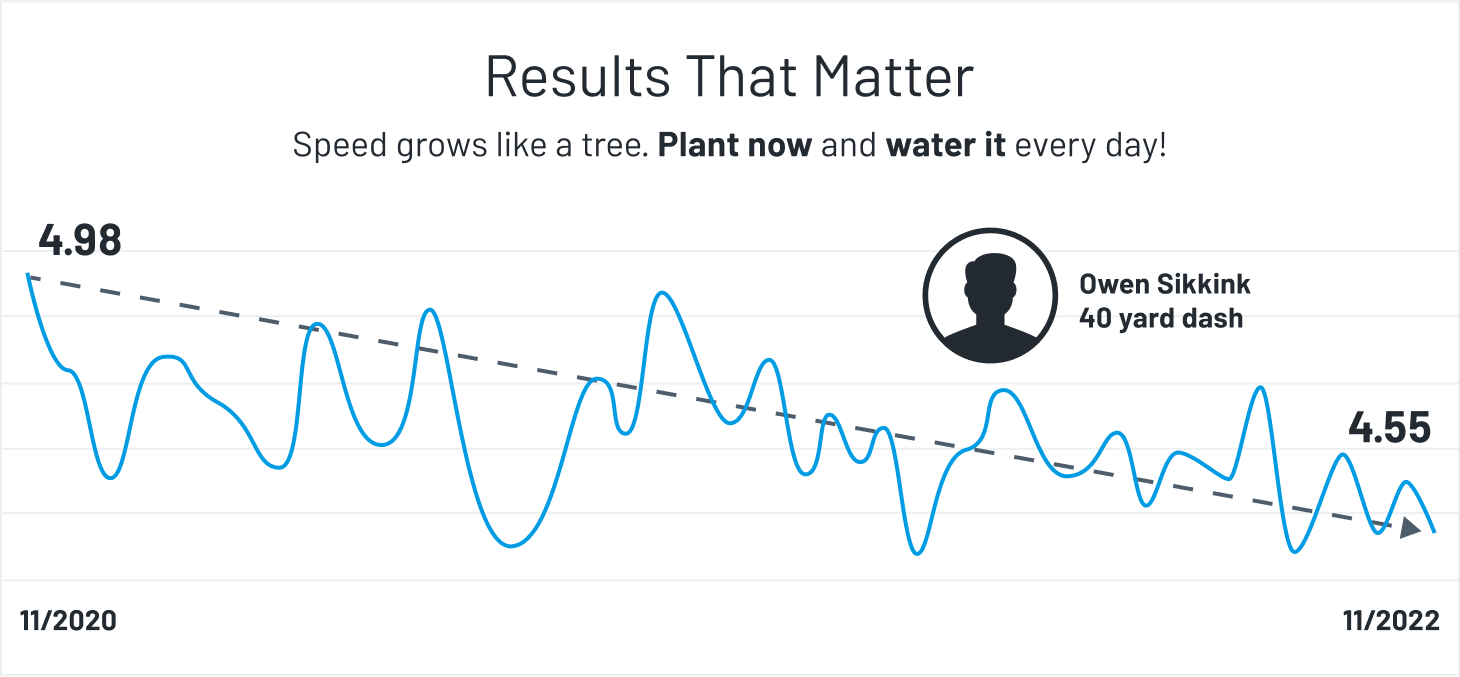
Nothing motivates young athletes more than seeing that the star varsity player once had slow times too. In our program, when a player graduates, we have 4+ years of data to show their growth over the course of their high school career. The ones who are the most consistent have the most growth!
Playbook Tip: Build an archive of past results. Use it to show kids what’s possible with consistency.
7. Recruit Your Hallways
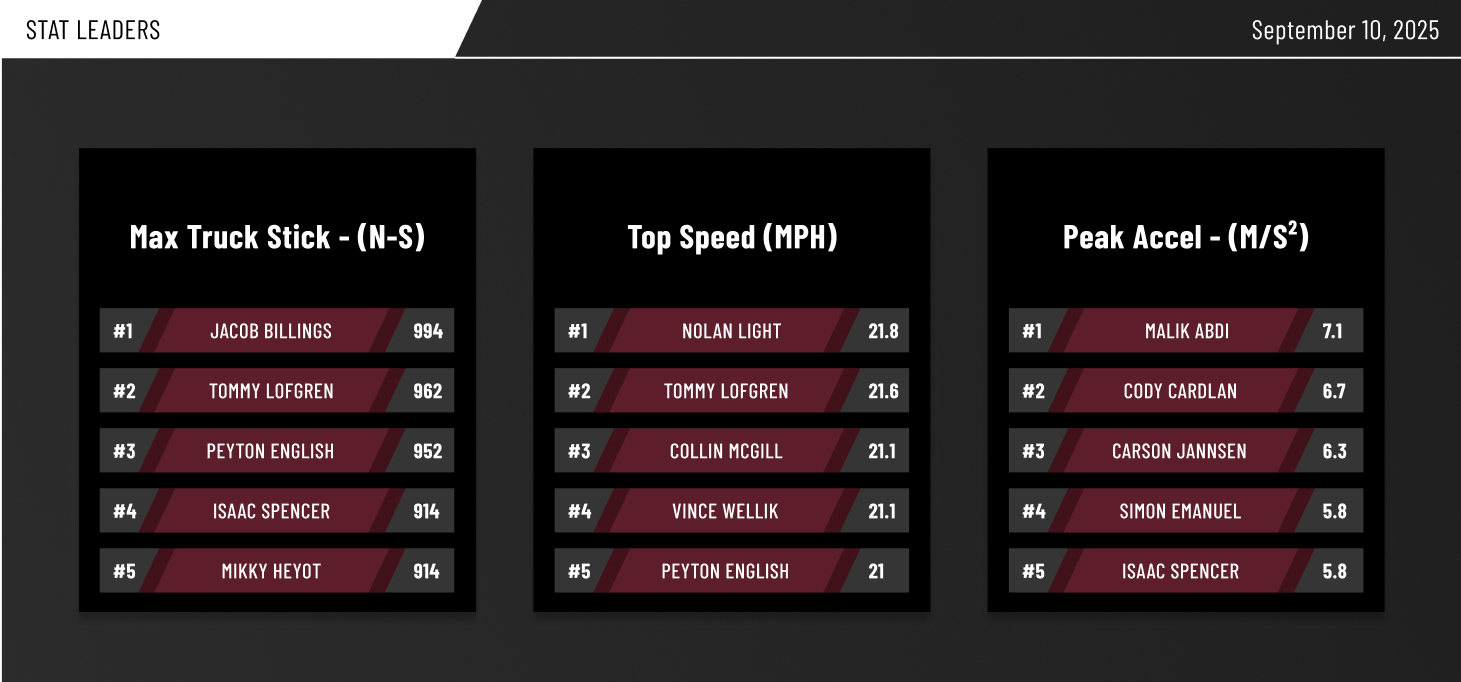
Recruit the “Cats” to your program! Ones that sprint fast, jump high, jump far and have bounce! Athletes love to compete. When athletes see progress published, they want in. Tracking and posting performance metrics attract walk-ons, multi-sport athletes and grow your program.
Playbook Tip: Invite kids by connecting their data to your sport: “You’re already jumping like our receivers—come see what you can do on the field.”
8. Consistency is Key
Data only matters if conditions are consistent. Do your best to use the same surface, same timing system, same setup, etc. Be sure to note if there are any conditions that might skew the data and consider whether or not to include that data if it’s not legit.
Playbook Tip: Start where you are—but keep it consistent every time.
9. Focus On Internal Growth
It’s important to remember this isn’t about comparing and contrasting with other programs. Every football program has different conditions. Focus on the improvement of your athletes in your program. The goal is to compete against yesterday’s self, not another school’s data and results.
Playbook Tip: Remind athletes: “We’re not chasing likes, we’re chasing growth.”
10. Build Their Own House
Teach kids to build their own house. At the end of the day, this isn’t just about numbers—it’s about ownership. Kids will start caring more about the things that lead to improved performance like sleep, nutrition, and recovery when they care about their data and see their results.
Playbook Tip: Kids will become motivated to be great at what they love!
If you want to dive deeper, Tony Holler and Coach Brad Dixon (Camp Point, IL) wrote a great, more in-depth piece on these same ideas a few years back—check it out here.