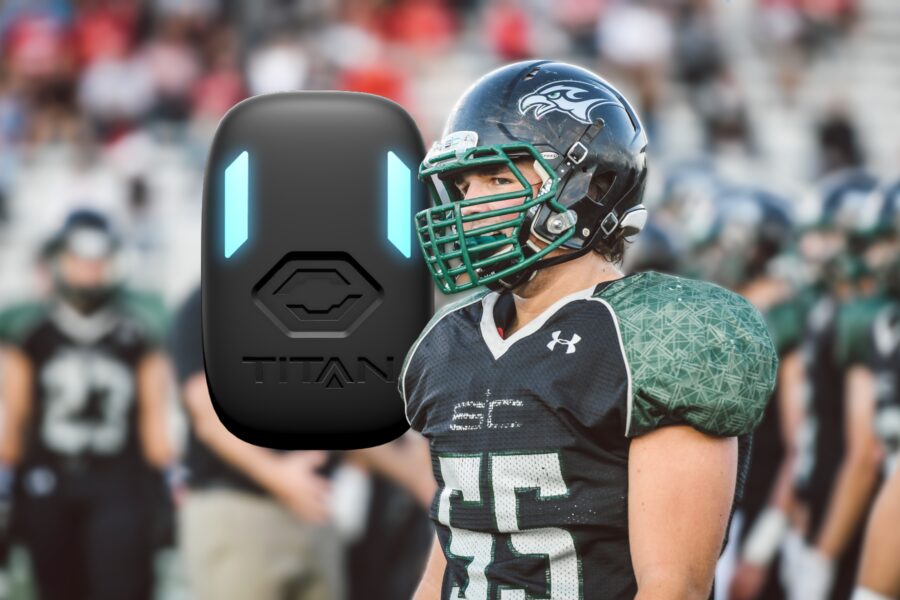
They say you can’t teach an old dog new tricks — but they never said anything about strapping a GPS to him and tracking every yard he runs.
Welcome to the new era of high school football, where coaching instincts meet cold, hard data.
If you’ve ever guessed who was dogging it in practice or wondered just how far your running back actually ran during that 80-yard touchdown (spoiler: it was more like 112), Titan GPS is about to become your new favorite assistant coach.
This isn’t about replacing your gut—it’s about backing it up with numbers that don’t lie.
Why GPS Tracking Matters for High School Football
GPS tracking isn’t just about collecting data—it’s about protecting your athletes, optimizing performance and making smarter decisions as a staff.
At Maroa-Forsyth, we introduced Titan GPS athlete trackers to monitor athlete workloads. These wearables give us real-time feedback on how hard our players are working, how much they’re recovering, and whether we’re pushing too hard—or not hard enough.
Think of it like a dashboard for each athlete. You wouldn’t drive a car without checking the gauges. Why coach without checking your players?
In today’s game, athlete monitoring isn’t a luxury—it’s a necessity. We’re seeing more kids opt out of football due to injury concerns. And while I’ll always believe the rewards of high school sports outweigh the risks, we owe it to our athletes to make the game safer and smarter.
Getting Started Doesn’t Have to Be Overwhelming
Here’s the good news: rolling out wearable GPS units in year one doesn’t have to be complicated. You don’t need a data science degree. If you can understand a weight training program, you can understand GPS.
Here are some GPS metrics and their weight room equivalents:
1 Rep Max = Top Speed PR
3x10 Bench Press = 10 Sprints in a Session
Sprint Count = Volume
Top Speed Efforts = Intensity
It’s the same mindset: set goals, track progress, celebrate PRs. GPS just gives you a new lens to view performance.
Quick Wins in Year One
You don’t need to wait a full season to see results. Here are some of the wins we saw right out of the gate:
Injury Prevention
Using metrics like the Acute: Chronic Workload Ratio (ACWR), we identified training spikes before they became injury risks. A ratio above 1.5? That’s a red flag. Below 0.8? Conditioning decline. We adjusted reps and rest days accordingly.
Smarter Practice Planning
We matched practice loads to game demands. If our sprint count on Friday was 600, we made sure our Tuesday and Wednesday practices reflected that intensity. Mondays become recovery-focused. Thursdays were taper days.
Better Conditioning
GPS helped us tailor conditioning drills to match game movement patterns. Instead of generic sprints, we focused on position-specific effort zones.
Player Buy-In
Athletes love seeing their numbers. When they hit a new top speed or log a high-effort day, it motivates them. It’s like giving them a scoreboard for their training.
Focus Areas for Coaches
If you’re thinking about jumping in, here are a few tips to make your first year with Titan GPS a success:
Start Small
You don’t need to outfit the whole roster. Begin with skill positions or high-rep players. Get comfortable with the system before scaling up.
Focus on Key Metrics
Start with total distance, top speed, and workload ratio. These give you actionable insights without overwhelming your staff.
Use the Red Light/Green Light System
Set minimum and maximum thresholds for effort. If a player hits 20 top-speed efforts in a week, they’re in the green. If they hit 30, maybe it’s time to dial it back.
Track Progress Over Time
GPS isn’t just about one session. It’s about trends. Are your players getting faster? Are they recovering well? Use the data to guide your decisions.
Make it Motivational
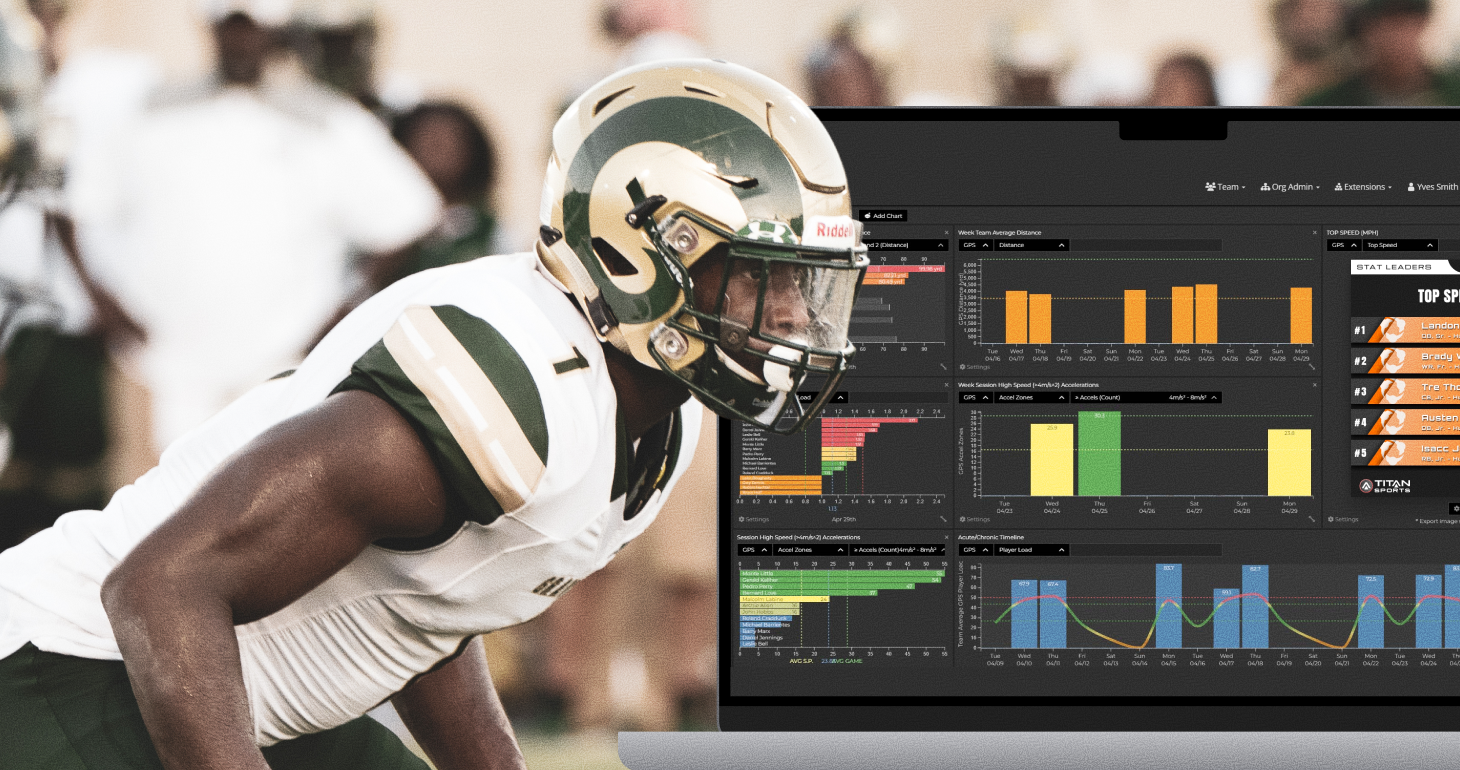
Use GPS to harness your athletes’ competitive spirit. Celebrate top speeds. Set weekly goals. Create leaderboards. Let the data drive performance. Pro tip–Titan’s customizable dashboard makes this step incredibly easy!
Here are the top three workstreams I’d focus on out of the gate:
Condition Monitoring: Use ACWR and sprint counts to manage load and reduce injury risk.
Player Performance: Track top speeds, effort zones, and Truck Stick (a measurement of speed x weight) scores to drive improvement.
Player Motivation: Use data to celebrate wins, set goals, and build a culture of accountability.
Ride the Wave
This isn’t just about Titan or GPS trackers. It’s about embracing the second wave of the digital evolution in sports. From VR training to AI game planning, the tools are evolving fast. But GPS tracking is one of the most accessible, impactful ways to start.
And if you’re worried about being “old school,” let me tell you about my mentor, Josh Jostes. Back in 2001, we had 3 a day practices, ran a Wing-T offense and a conditioning-only drill closed out our practice. Every. Single. Day.
Now, practices are shorter and more focused, no formation is off limits and conditioning is part of almost every drill. He’s a Hall of Fame coach who’s never stopped learning, adapting and evolving. That’s the mindset we need.
“Tape don’t lie.”
“Weights don’t lie.”
“GPS don’t lie.”
Be part of the science. The more data we collect, the more we learn. The more we learn, the better we coach. And the better we coach, the safer and stronger our athletes become.
So grab your surfboard. Ride the wave. Your athletes—and your program—will be better for it.