Up-and-Coming Uzbekistan: The Next Go-To Scouting Destination in Asia

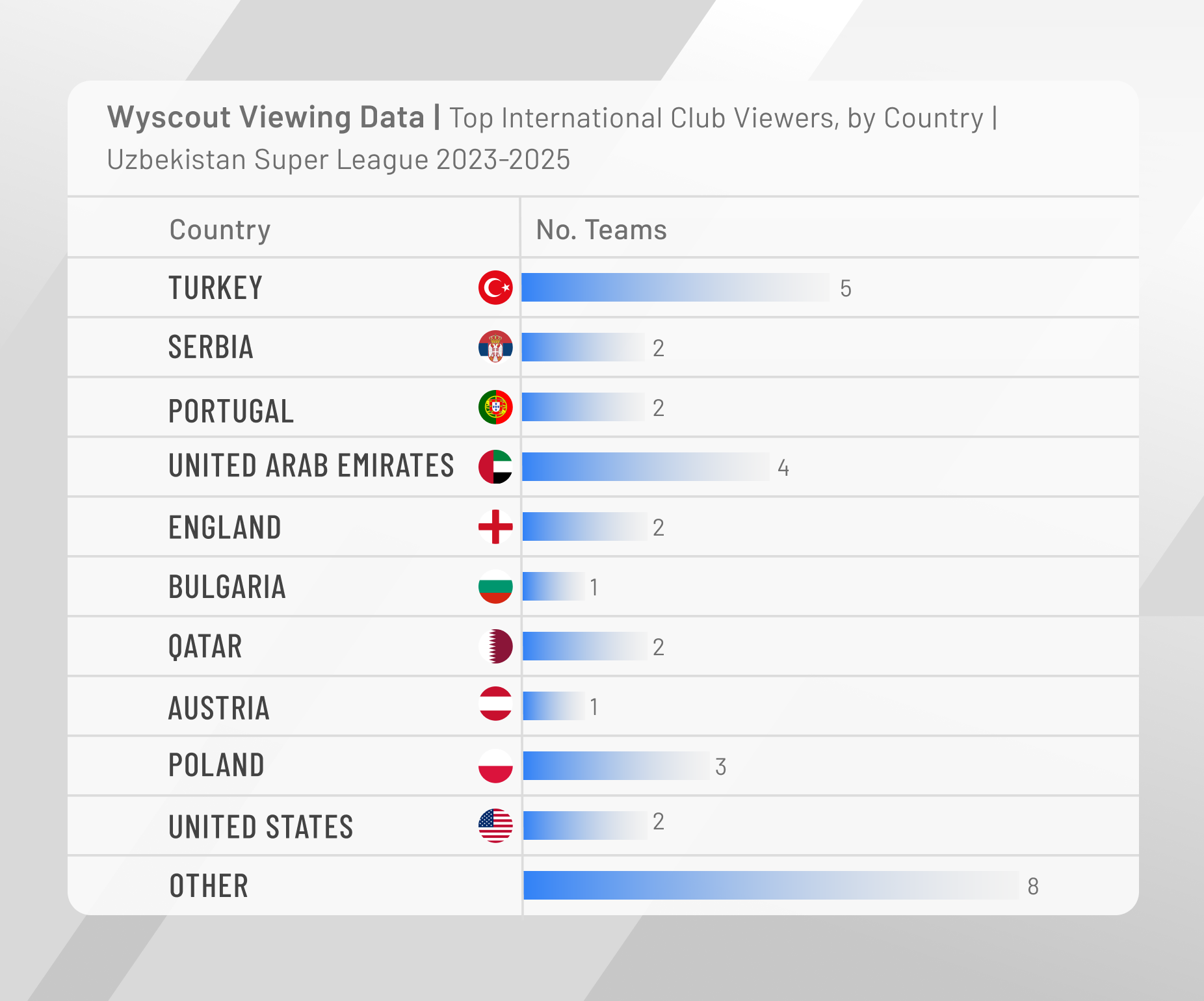
In this article, we explore why Uzbekistan is increasingly drawing attention from scouts – particularly those in Turkey.
So far, 2025 has been quite a year for Uzbekistan football. Abdukodir Khusanov joined European powerhouse Manchester City, the first from the country – and Central Asia – to play in the English Premier League. And then, in June, the national team finally, after a number of near misses, qualified for the FIFA World Cup. Ultimately, the shop window is only going to intensify this growing trend for the country’s players to head to more diverse destinations than in the past.
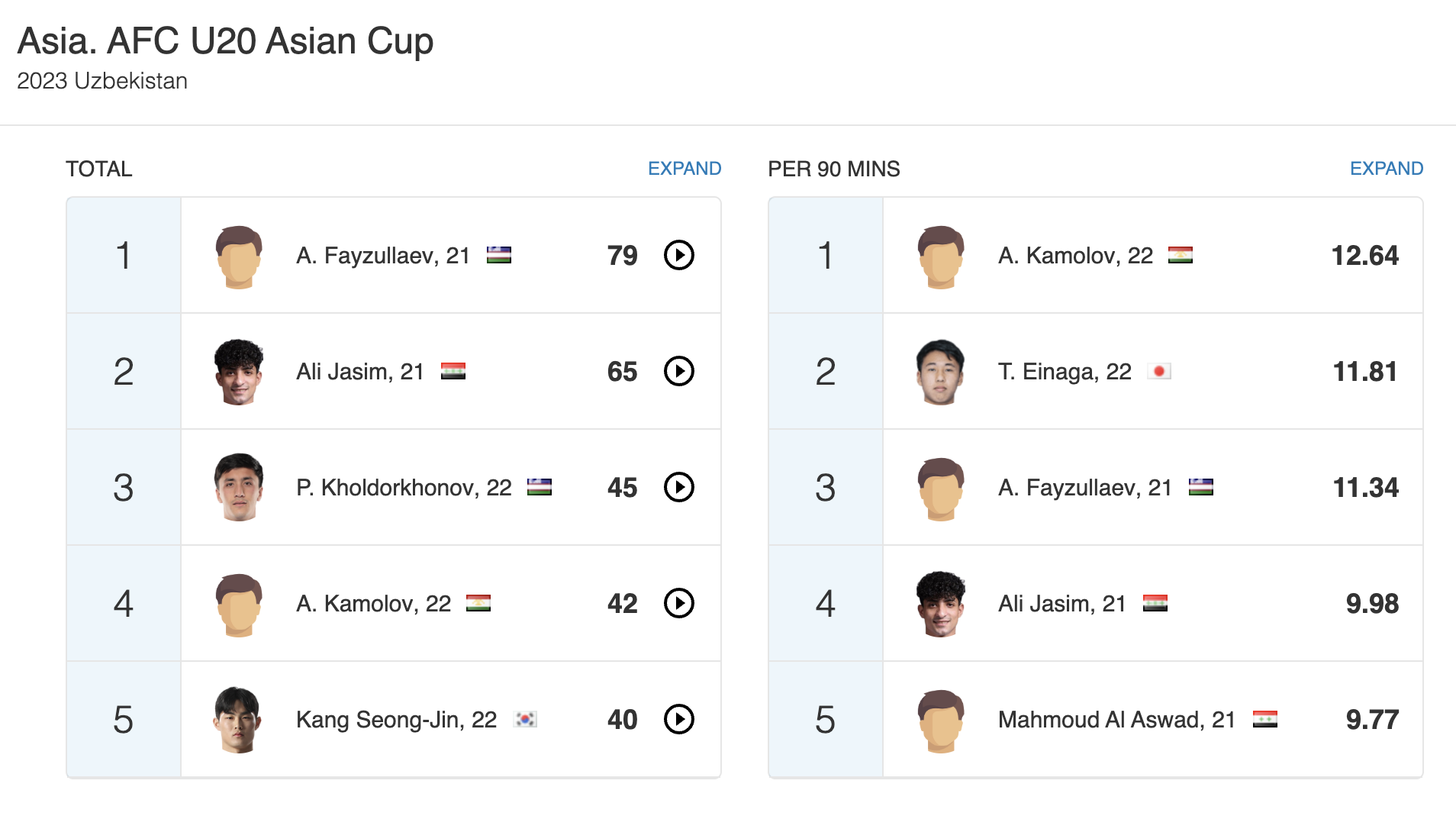
As such, there was always interest from other leagues. Rumours in Uzbekistan connected him to Wolverhampton Wanderers, thanks largely to the circulation of a photo of a page from the notebook of Vitor Pereira, with the Wolves boss writing down the names of players in each position. The second name in the central attacking midfielder position was the Uzbek’s. Unsurprisingly, this move did not materialise.
Attractions of Turkey
In the end however, he moved to Turkey. The country, historically a bridge between Europe and Asia, has a league that often offers places to players who have finished stints in the big leagues of Western Europe, but is now becoming a stopping point in Europe for Uzbekistan’s players hoping to make it big.
It is not just about Russia, or the World Cup qualification, there have been rule changes in Turkey that have helped. The Turkish Football Federation counts players from Turkic nations—including Uzbekistan, Kazakhstan, Kyrgyzstan, Azerbaijan, and Turkmenistan—as domestic players, rather than foreign, making them highly valuable assets to Süper Lig clubs. With clubs limited to 12 foreign players from 2024 to 2027 and then 11 after that, it is a small but real bonus.
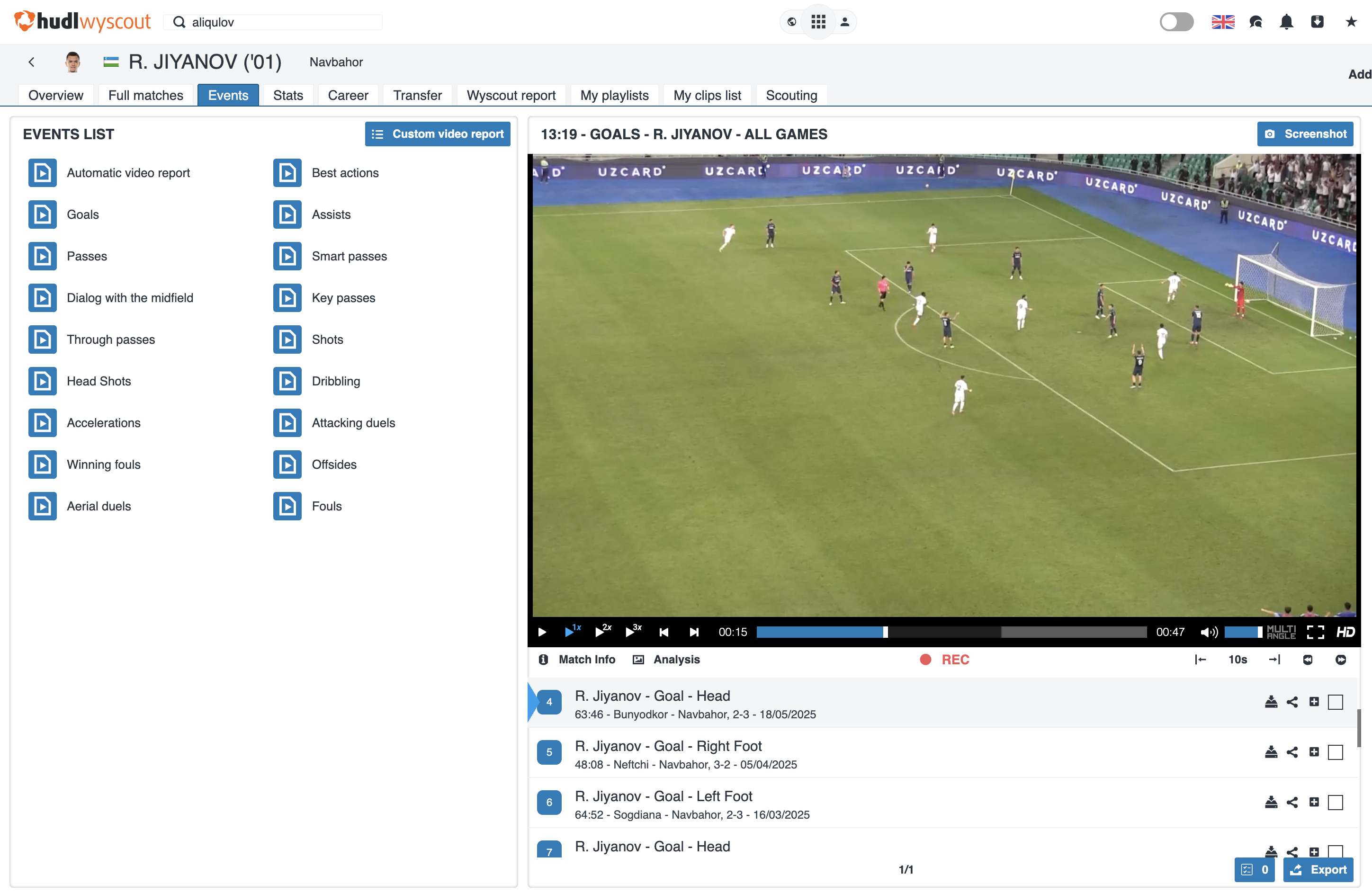
There is also the Turkic Scout Bloc. The Turkic Scout Bloc was founded in 2024 promotes youth leadership, training, and cross-border collaboration —all of which are also essential pillars in football development –between Azerbaijan, Hungary, Kazakhstan, and Turkey as well as Uzbekistan and Kyrgyzstan also present.
The Süper Lig is highly competitive but not as high-pressure or saturated as the Premier League or La Liga. This allows players more time to develop, make mistakes, and grow—often with guaranteed minutes. Players can shine more visibly in Turkey than on a bench in a top 5 league.
There are three major Uzbekistan players in Turkey right now, all on different trajectories.
Fayzullaev: The Prospect Leaving Russia Behind
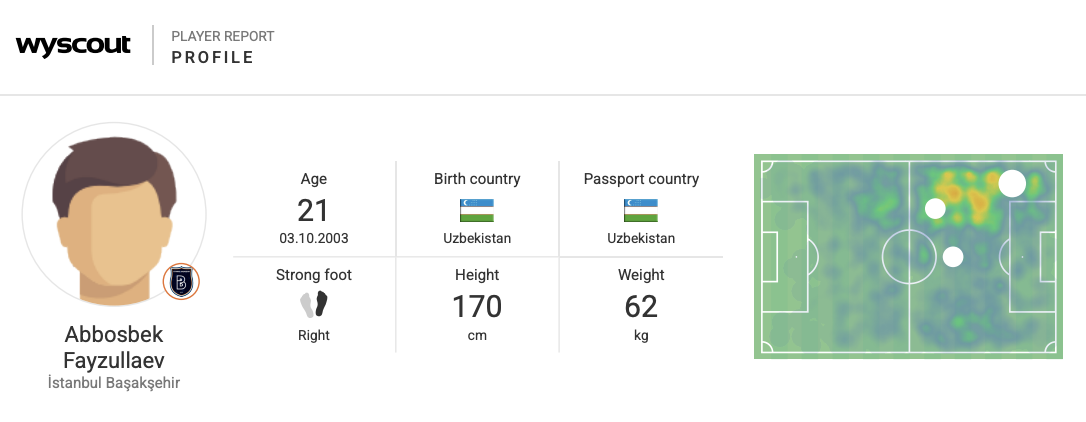
Russia is no longer a desirable destination for foreign players with international ambitions so when Fayzullaev’s contract with Moscow finished, he went to Turkey. While he made 27 league appearances last season for CSKA, too many were off the bench and as well as the desire to play elsewhere, there was frustration at not getting more playing time.
So, the move to Istanbul Basaksehir looks to be a good one all round. The club finished fifth last season, for a reported fee of 7.5 million euros, the biggest deal in their history. The club is well-regarded for developing young players and giving them opportunities to play and grow.
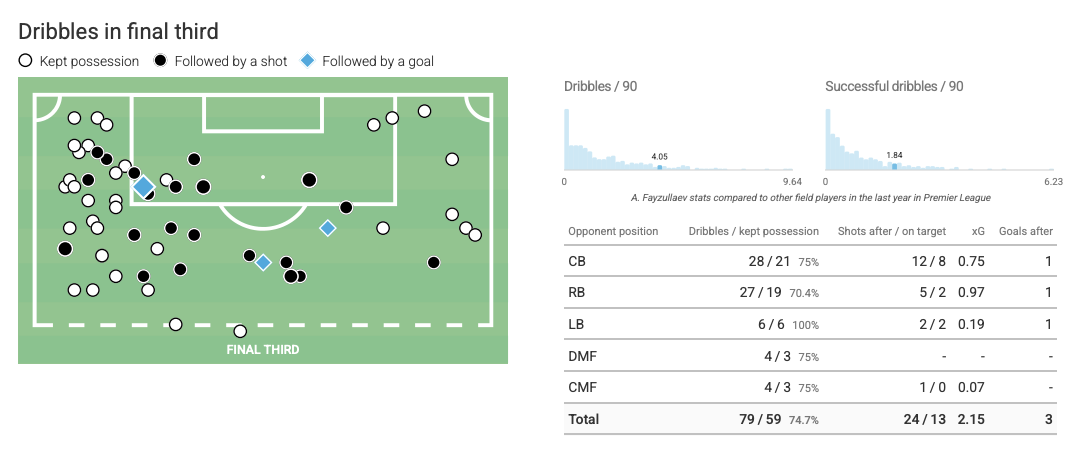
Versatile, dynamic and with strong dribbling and technical skills, when watching video footage of Fayzullaev on Hudl Wyscout you can see he has the potential to be one of Asia’s best players. Full of energy and darting runs, he is able to find space in the tightest of situations. In Russia, he showed himself to be effective in transitions, working hard in the press and keeping going all day. And at 21, he still has a lot of potential.
Shomurodov: The Star Coming the Other Way
There is also the fact that just weeks earlier, Uzbekistan’s best-known modern export, Eldor Shomurodov, had joined the same club.
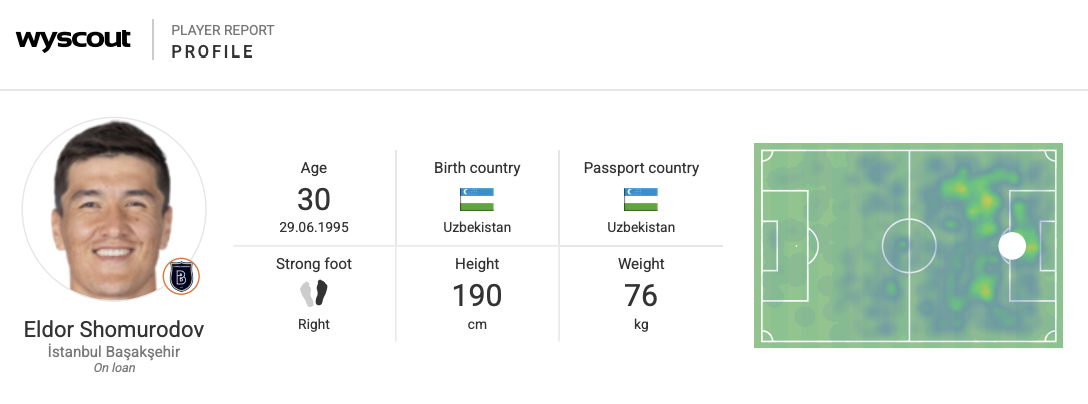
At a towering 6’3” with a frame both athletic and lean, he has carried both the hopes of a nation and the burden of proving himself in Europe’s top leagues. In truth, he should be much better known in Asia than he currently is – few Asian players have excelled in Italy, especially attackers.
It began in his homeland with Pakhtakor and then Bunyodkor, where Shomurodov’s blend of physicality and technical awareness marked him out as a rare kind of forward, equally comfortable drifting to the flanks or operating as a classic centre-forward.
His time in Uzbekistan—punctuated by goals, but more by intelligent movement and commitment—was always a preamble and he made the natural move to Russia and FC Rostov. The big stage demanded his arrival.
There Shomurodov found the net with increasing regularity and developed into a forward feared for his willingness to stretch defences and relentless work off the ball. There, he became a talisman for club and country—his pace and bullish running a beacon for Uzbekistan in World Cup qualifiers.
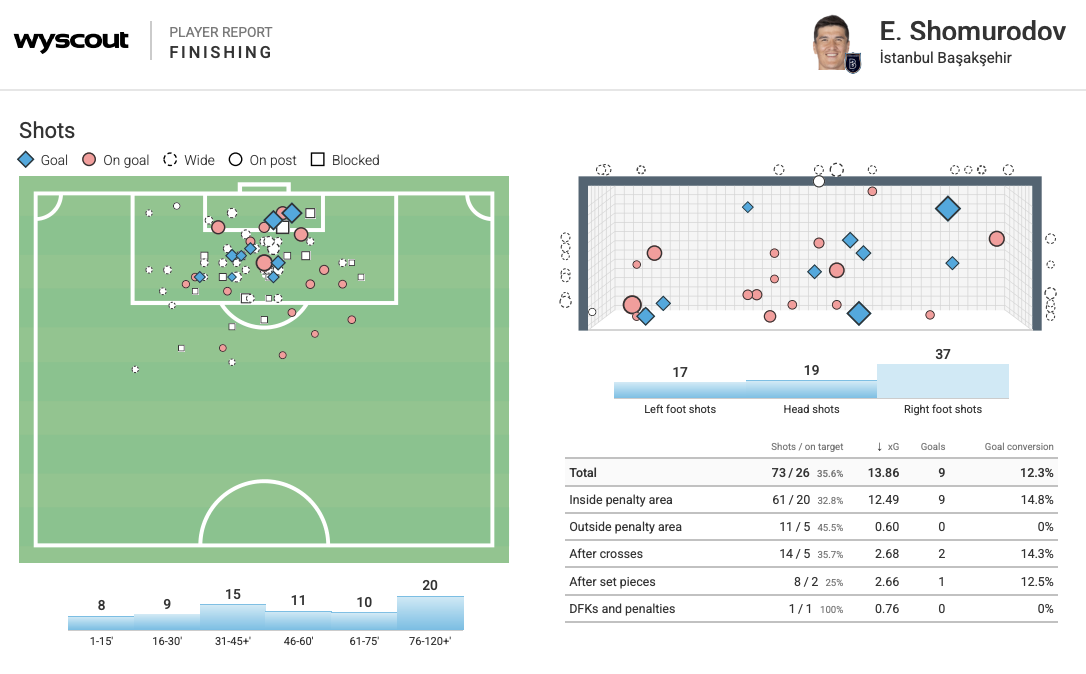
Then, it was off to Italy, a new development for Uzbek players. Signed by Genoa, and quickly thereafter by Roma, Shomurodov was introduced to the tactical labyrinth that is Serie A. His debut season in Rome, marked by flashes of inspiration and the occasional thunderous finish, underscored his adaptability.
Yet, consistency eluded him. There were moments, though, when Shomurodov’s raw enthusiasm—his willingness to press, to contest aerial duels, to chase lost causes—showed his heart. He may not have found the net as often as he and his compatriots wanted but he was a trailblazer for Central Asian talent.
Now he is also at Istanbul, on loan with an option to buy. At 30, it is unlikely that the forward will be heading back to western Europe soon, more likely that he will be back home, perhaps telling others to head to Turkey.
Aliqulov: The Pioneer Already There
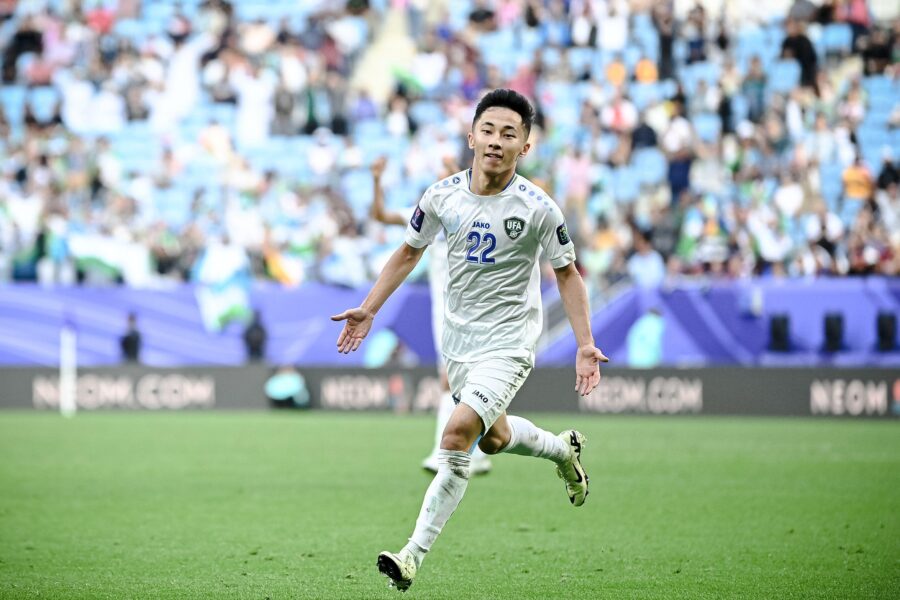
The first to go there in recent years was Husniddin Aliqulov.
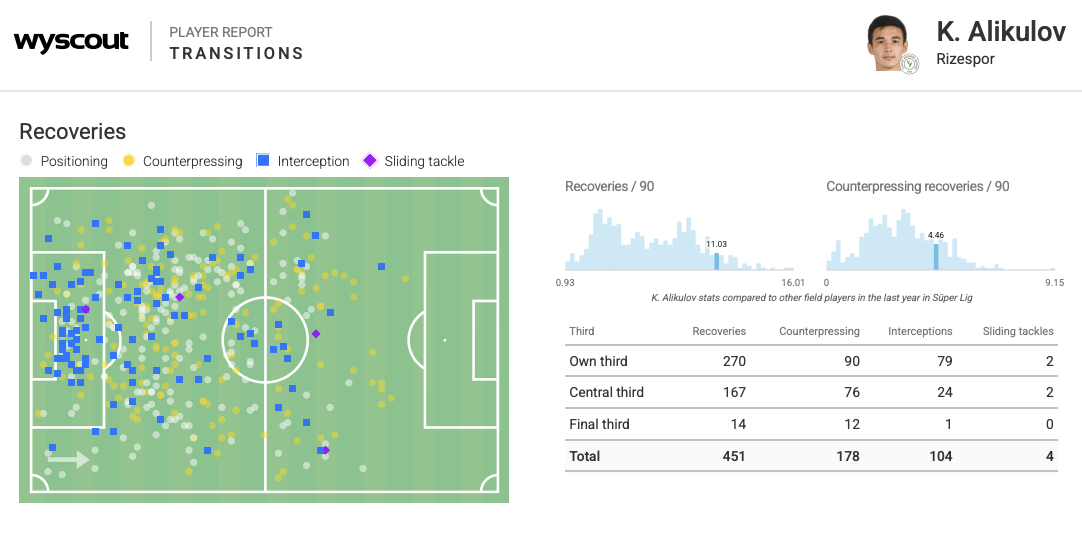
The defender moved straight from Nasaf in Uzbekistan in 2023 and has established himself in the first team of Rizespor. Last season,he made 33 league appearances, scoring three goals to help the club finish ninth.
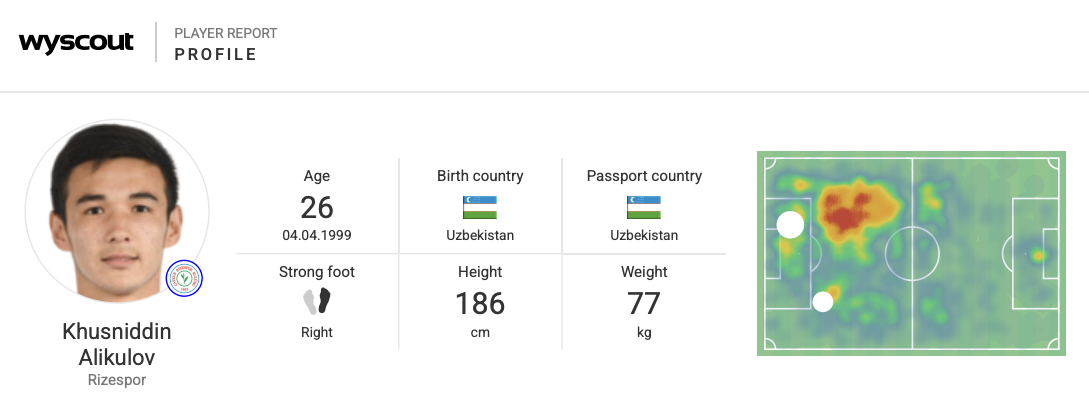
There is nothing ostentatious in his style—Aliqulov is a defender who favours action over flourish. Tall and physically imposing at 186cm, he excels in classic defensive duties: clearing the ball decisively when needed and rarely shying from a challenge.
Watching footage of Aliqulov, he is routinely positioned where danger lurks, snuffing out threats not by last-ditch heroics, but by his sense of anticipation and the ability to read the game half a second ahead of the opposition. In moments of danger, he shows the recovery speed and composure that make him a reliable bulwark both for club and country.