Small actions can create a culture where growth is celebrated and athletes compete to improve — not just to outdo one another.
Are you really using your data?
Every coach collects football data, whether it’s GPS metrics, weight room numbers, positional grades from Friday night or objective measurements. But here’s the real question—are you using that data to drive development, or is it just sitting in a folder?
I’ll never forget the first off-season where we started celebrating speed gains. Week after week, our athletes saw their max speed climb, and once we recognized those improvements in front of the team, everything changed. Practices got sharper, effort went up and performance on Friday nights spoke for itself.
When we transitioned from collecting data to using it as a developmental tool, our athletes began to understand why we collect all the information we do. In their mind, data was a way for me to motivate them in a session, and to an extent, they aren’t wrong. However, once they realized that we could utilize that data to pinpoint their weaknesses and make informed decisions based on trends in specific categories, the lightbulb flashed.
Recognition as a Driver of Growth
Recognition isn’t fluff; it’s not about handing out empty compliments. Recognition is reinforcement. It tells athletes, “Your effort is directly tied to the outcomes you want.” Think for a moment about a time in your life when you received recognition. Athletically. Professionally. Or from a spouse or parent in public. Didn’t the recognition validate the work or activity? How was your response to that person or organization after being recognized?
When athletes know their hard work will be noticed, they train harder, stay more consistent and push themselves further. Over the course of a season, those small reinforcements compound into measurable growth. Now, stack season over season, add in the multiple training blocks associated with a high schooler’s career and imagine the benefit of driving positive reinforcement in your program.
Using Athlete Performance Data to Track and Celebrate Improvement
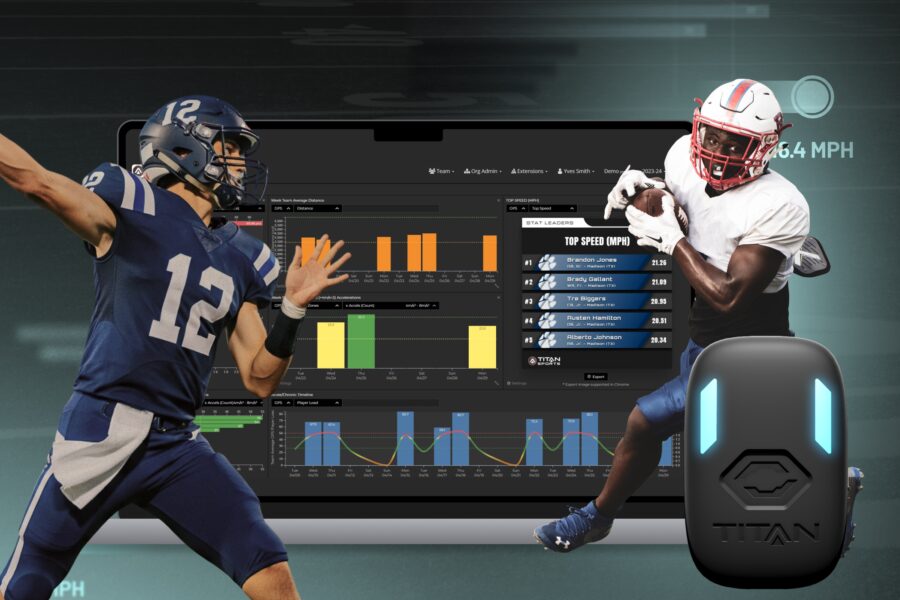
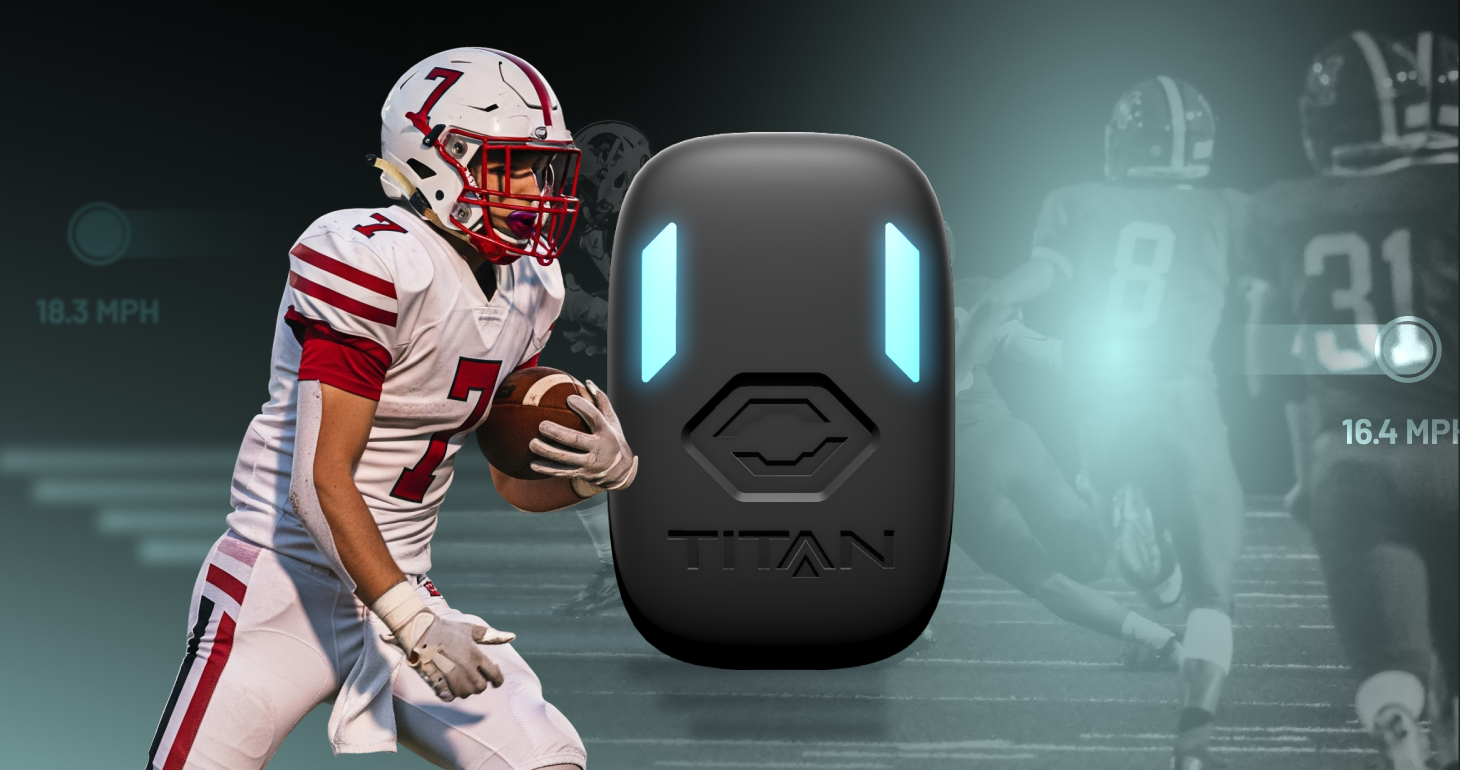
This is where technology like Titan GPS trackers come in. We look for metrics like:
Max Speed: Did an athlete hit a new personal best? What % of their PR are they performing at?
Sprint Count: Who is consistently putting in high-effort reps?
Sprint Distance: Which players are steadily building capacity and trending in the direction we need?
These numbers aren’t just stats—they’re tangible ways to show progress.
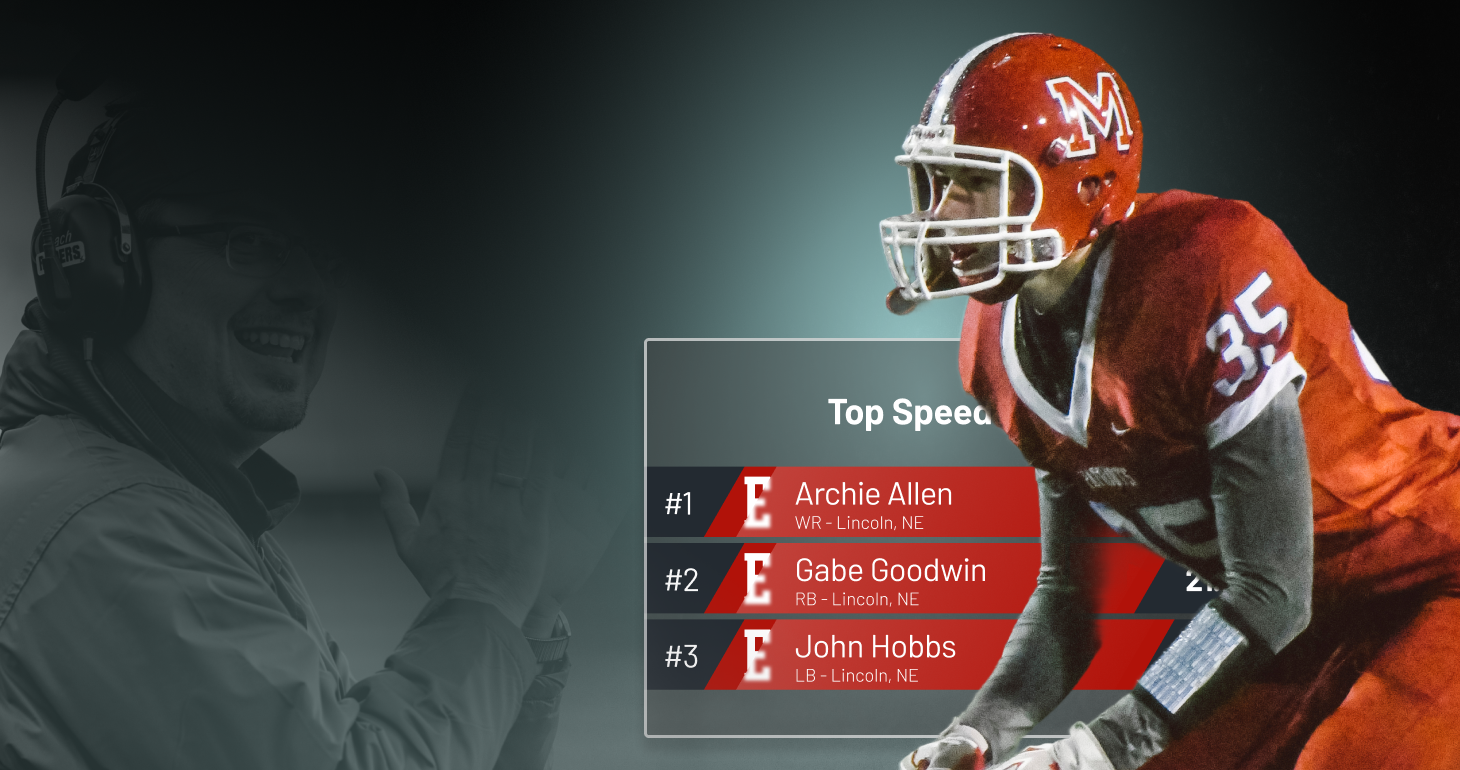
When you celebrate an athlete’s new PR, you give them a reason to chase the next one. When you highlight how the team collectively improved sprint speed or reduced time to top acceleration, the group sees how their effort translates to results.
The key is focusing on growth over time, not just “who’s the fastest.” Progress matters because progress fuels performance.
Practical Ways to Recognize Growth
Recognition doesn’t have to be complicated or time-consuming. Here are a few ideas you can start with tomorrow:
Practice Shoutouts: End practice by calling out athletes who hit PRs or effort goals.
Progress Awards: Highlight weekly improvements—like “Most Improved Max Speed.”
Team Goals: Share how the whole team is trending upward (e.g., “We improved average sprint speed by 5% this month”).
Gamify Growth: Let players who hit milestones choose the next drill or pick the practice playlist.
These small actions create a culture where growth is celebrated and athletes compete to improve—not just to outdo one another.
Turn Data Into Motivation
The truth is simple: recognition isn’t just about making athletes feel good. It’s a performance tool. When coaches highlight growth, they reinforce the habits and effort that lead to better results.
So don’t let your football data sit on a screen. Put it to work. Celebrate the wins—big or small. Build a culture where effort is rewarded, growth is recognized, and success becomes contagious.
Your athletes will buy in, your practices will intensify, and your team will be more prepared when the lights come on Friday night.
Start small, stay consistent, and watch your team rally behind an identity of speed.
Turn your team’s data into motivation. Start rewarding effort and performance with Titan GPS.