
J.League exports to Europe are up 76% in three years — but most transfers still happen without a fee. Here’s how clubs can build a player export strategy that actually generates revenue.
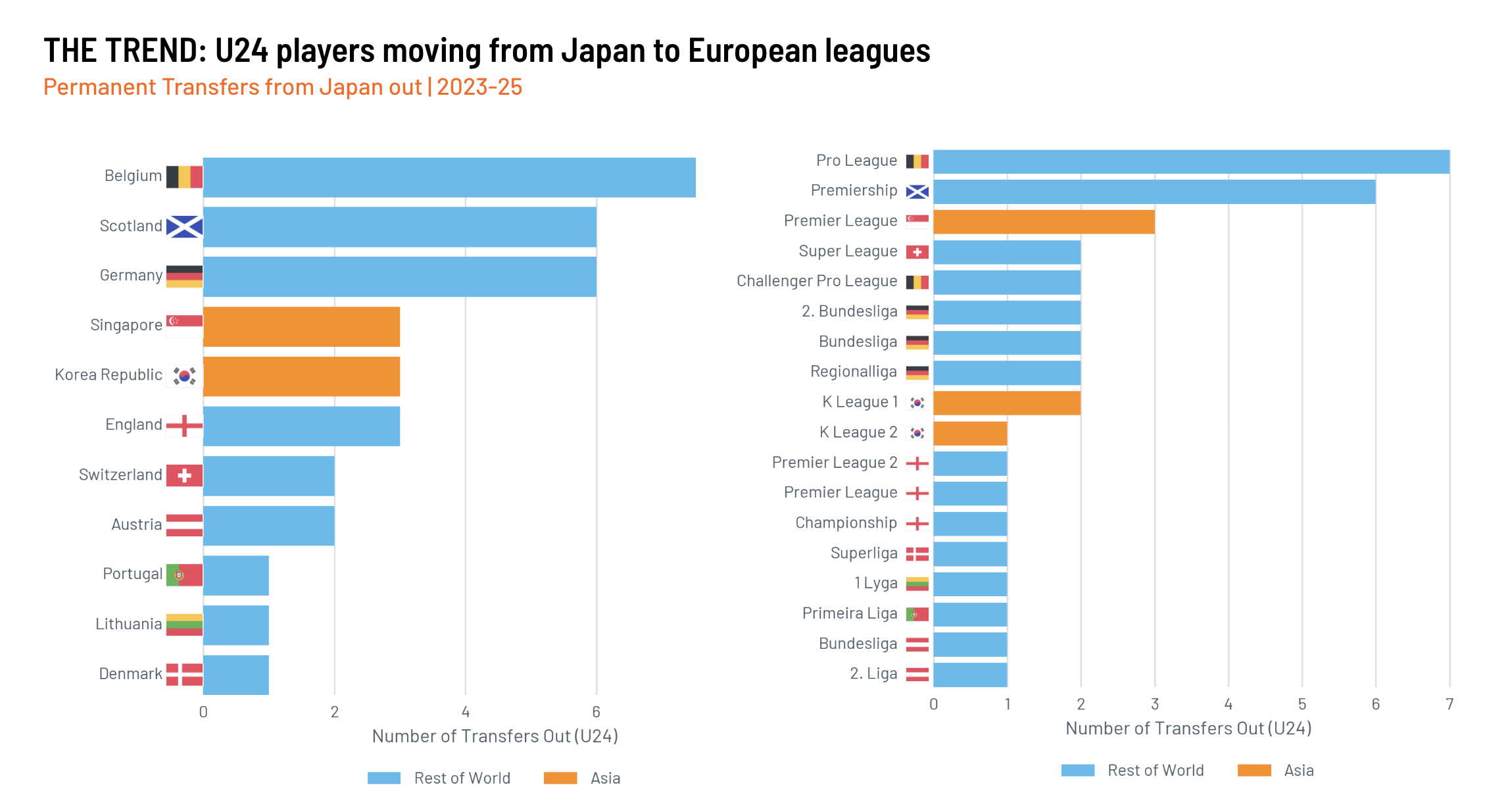
The standout isn't even the top flight: J2 League moves more than tripled, from nine to 29, as development-tier players now go direct to Europe without stopping in J1 first. The pathway is wide open, and Japanese players are good enough and affordable enough to keep it that way.
Yes, transfer fees for elite talents are on the rise – but here's the catch. Only 11.3% of Japanese transfers to Europe included a transfer fee — the overwhelming majority left on a free or on loan. The talent is leaving younger, too: Japanese players depart at a median age of 24.8 against 26.6 globally, and more than 40% of players leaving do so before they turn 24.
In short, the players are being developed and earning moves, but the money largely isn't following them out.
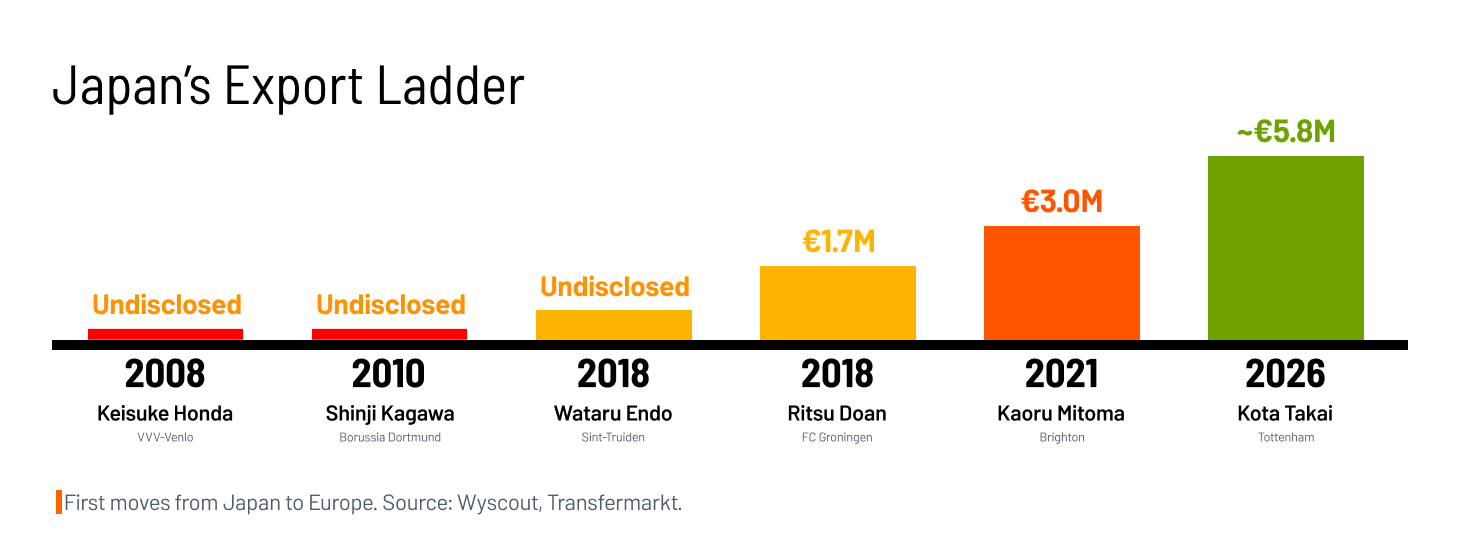

Player export is a revenue strategy, not a reputation boost
For years, selling a player to Europe has been treated as a feather in the cap — proof the academy works, a story for the fans, or a send-off for a loyal servant. All of that is real. None of it pays the wage bill.
The clubs that get this right treat outgoing transfers as a core revenue line, built on the same develop-to-sell engine the best European traders run.
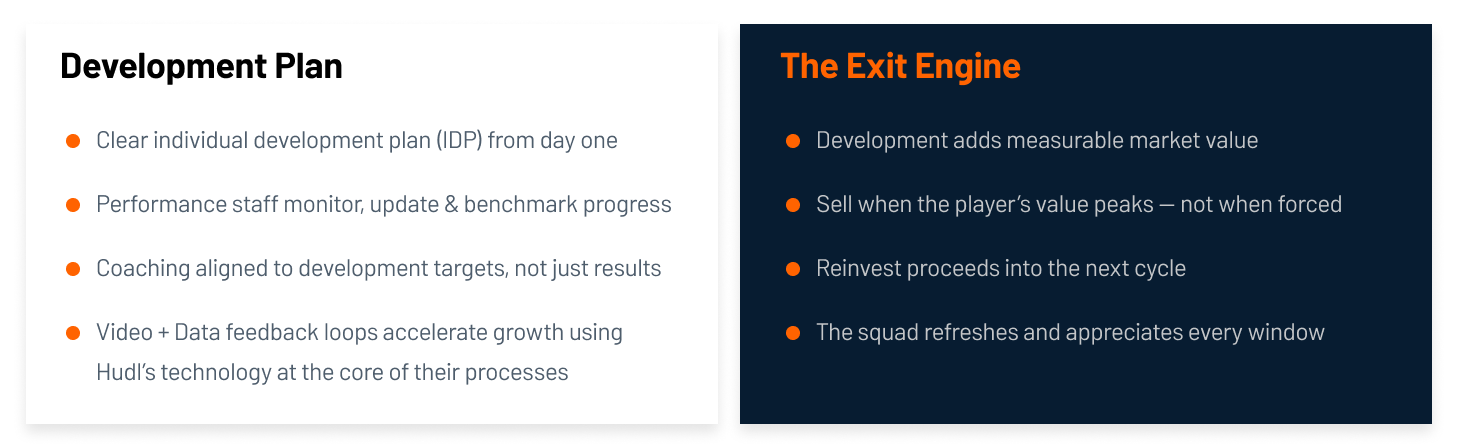
The logic is straightforward: development adds measurable market value, so you sell when a player's value peaks, and you reinvest the proceeds into the next cycle — the academy, the infrastructure, the squad. Done repeatedly, the squad refreshes and improves every window instead of leaking value out the back door.
Building the develop-to-sell engine
Having player export as a central pillar of your strategy is one thing, but it doesn’t work without a focus on player development. So, what steps can you take to nurture the talent at your club?
Individual development plans (IDPs) offer a strategic, personalised solution to nurturing this talent in a way that’s aligned with a club’s broader objectives.
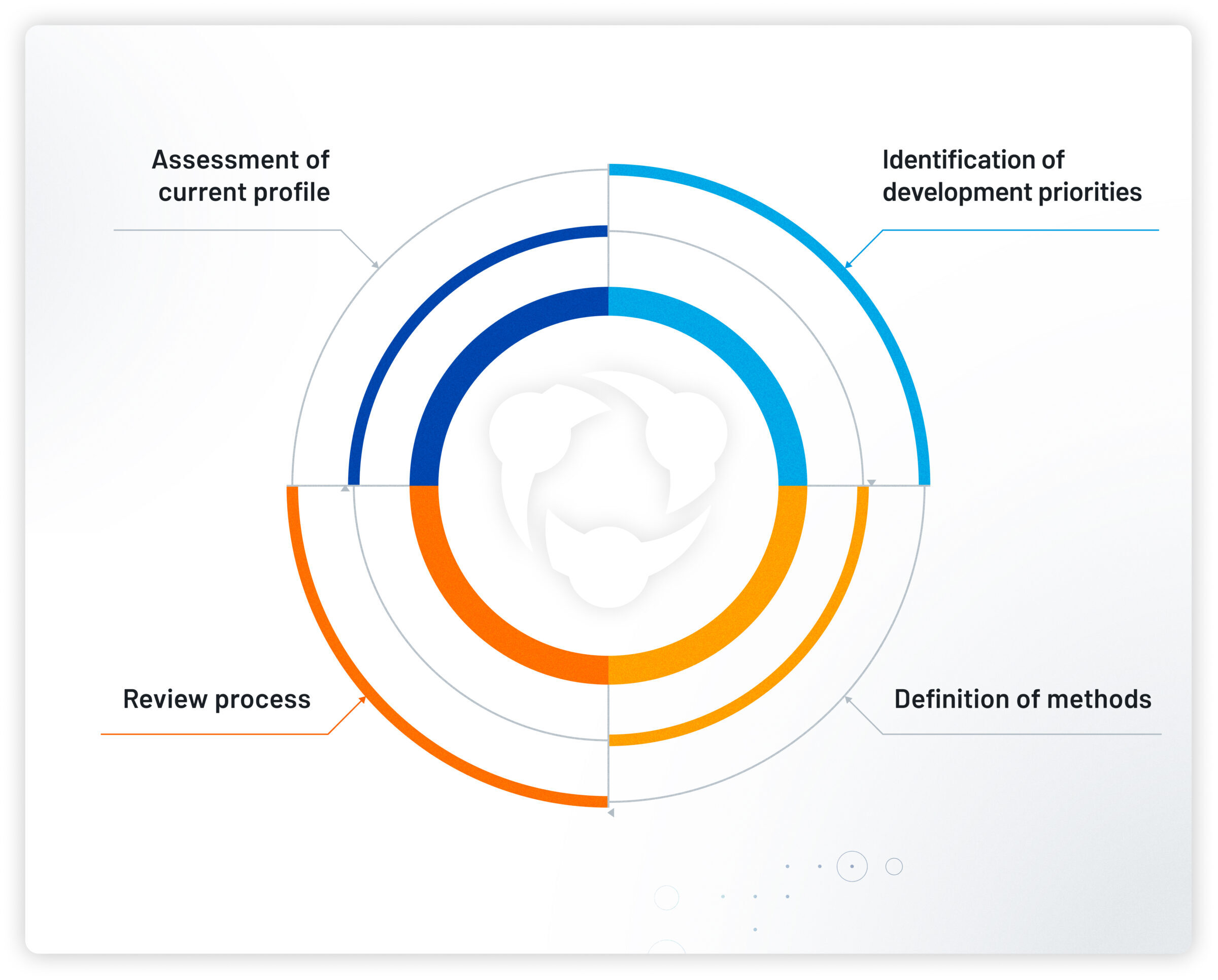
When executed successfully, a player’s current profile will be assessed at the start of the season, key development priorities and objectives will be identified, along with the methods to achieve these goals.
Performance staff then monitor, update and benchmark progress - using data and video in regular feedback two-way sessions with the players to accelerate their growth.
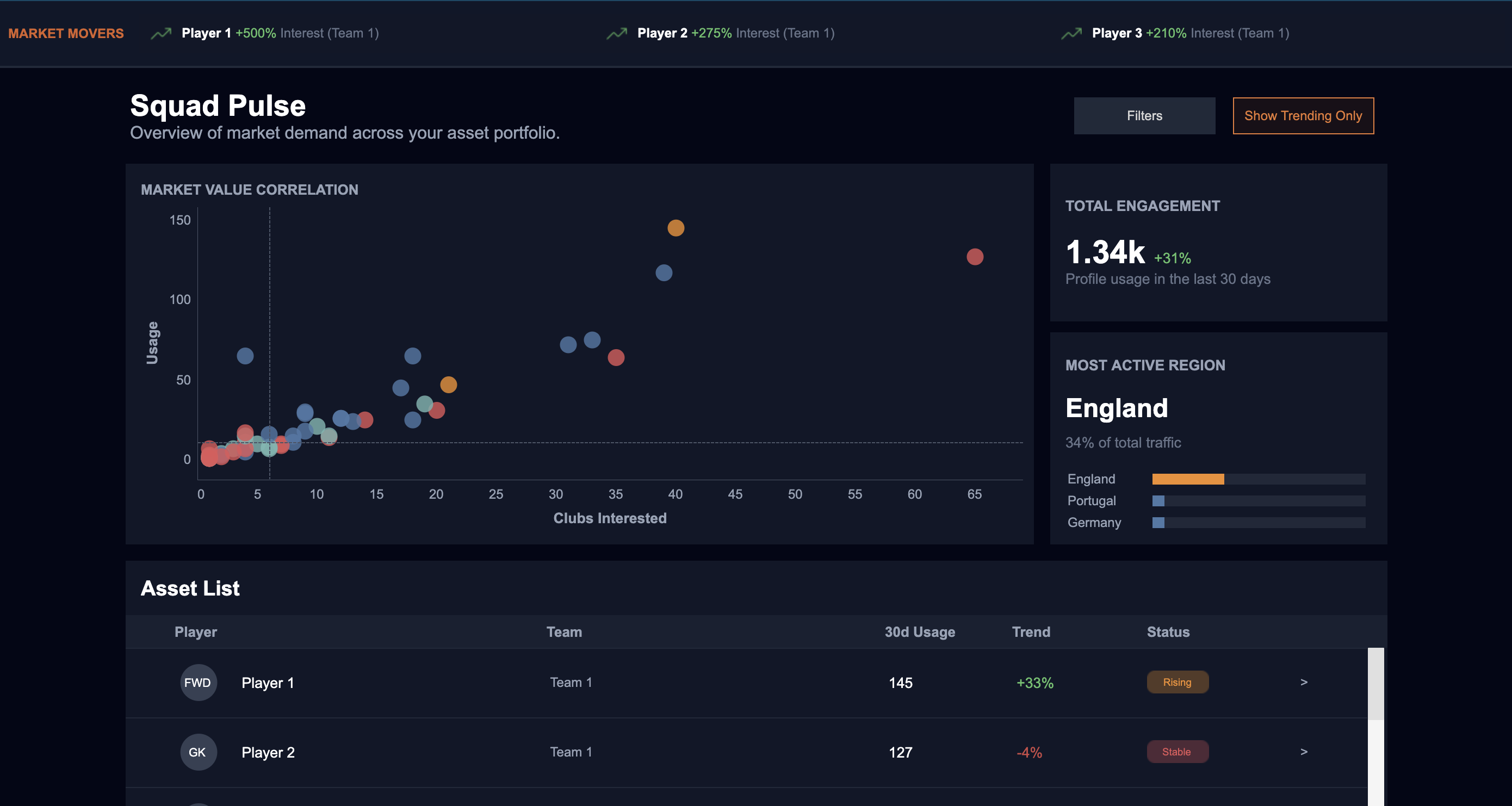
It works through two lenses. Squad Pulse gives you the aggregate picture: total engagement across your roster, period-on-period trends and a global heatmap of where the interest is coming from. Player Profiles drills into the individual — an interest score for each player, tracked over time and benchmarked against the rest of your squad — so you can see demand building before a single offer arrives. It's anonymised by country and competition, so you get the true shape of the market without compromising anyone's privacy.
The point is leverage: you walk into the room knowing what a player is genuinely worth to the market, not what a buyer wants you to believe.
What this means for your next sale
Put that information to work and three things change.
You time the window. When you can see interest building instead of waiting for the phone to ring, you sell when demand is peaking — not when a contract is running down and your hand is forced.
You defend your asking price. When an agent claims there's little interest, you cross-reference it against real engagement data, country by country and competition by competition. The conversation shifts from their version of the market to the actual one.
You stop under-selling without knowing it. European clubs are already watching your players. The only question is whether you find out before they make an offer — or after you've already accepted a low one.


This is where the whole series comes together. You scout smart, so you develop the right players. You manage their load, so they stay fit and their value keeps climbing rather than eroding in the treatment room. And then you sell them for what they're actually worth — because for the first time you can see the entire market — and reinvest that revenue into the community, the infrastructure and the next generation coming through.
The J.League is producing world-class talent. The export ladder is already there. The clubs that build a real strategy around outgoing transfers — and arm themselves with the information to negotiate from strength — are the ones that turn that talent into a renewable source of revenue, rather than a gift to European football.
You've done the hard part. Don't give the value away at the final step.
Want to see who's already watching your players? Take a look at the Squad Interest Dashboard — book a demo and we'll show you what your squad's market footprint actually looks like.