Person Before Player: The Story of the Ferdinand Collective

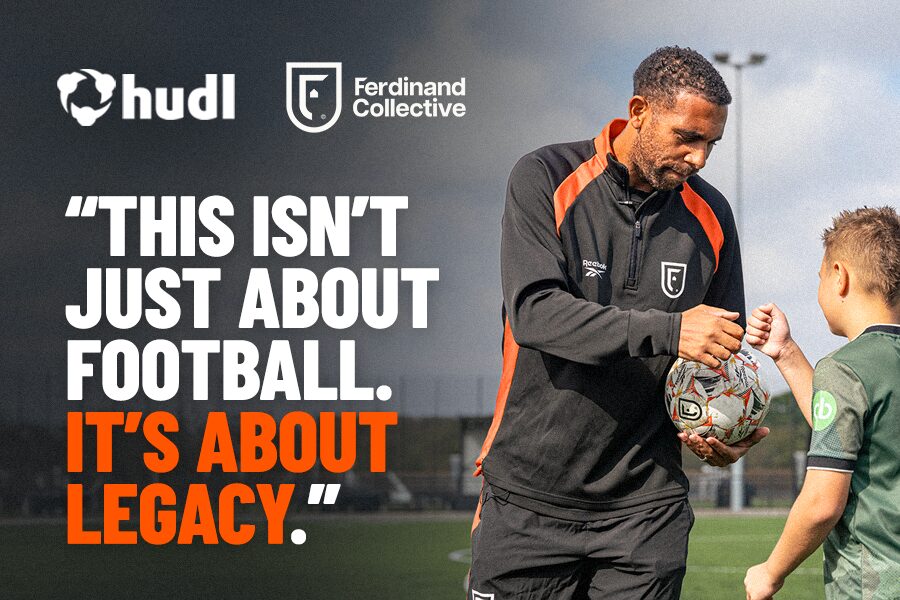
Football gave Anton Ferdinand everything. Now, through the Ferdinand Collective, he’s giving back, and this is just the beginning.
Where it All Began
The Ferdinand Collective was born from something deeply personal: a conversation between two brothers at their mother's side. When Anton and his brother Rio reflected on why their mother always seemed tired, Rio offered a truth that changed everything.
"She was mentally tired," Anton recalls. "And then a penny dropped for me. We've always been known on our estate as people where my mum and my dad would help people, to provide an ear for people to speak to, to give advice as much as possible. Mum did that for the whole of her life.
Growing up in Peckham, football gave me absolutely everything. It gave me a purpose, it gave me a way to stay out of trouble. And that is something that I want to give to these kids growing up.”
That realisation sparked a question: how could they continue their parents' legacy of giving back - not by talking about it, but by showing it? The answer became the formation of the Ferdinand Collective.
Named in honour of their father, Julian, the organisation channels the family's values into something tangible for the next generation of footballing youth, not only in London, but in multiple locations across the United Kingdom.
The Ferdinand Collective harnesses the positive power of football to give young people a footballing education through community support and personal growth. A youth academy set up to foster a sense of identity, allowing development as people as well as players.
A Different Kind of Football Education
Walk onto a Ferdinand Collective training pitch and something immediately stands out. Yes, the drills are there. Yes, the tactical instruction is sharp. But there is something else in the air - a culture of quality harder to quantify, but impossible to ignore.
That quality of culture is intentional. Vicky Woolnough, CEO of the Ferdinand Collective, has been at the forefront of building an organisation where the values of the Ferdinand family are woven into every session, every interaction, every touchpoint with a young person.
"We're different to a traditional football academy,” said Woolnough. “Alongside our ever-evolving coaching methodology, we look at the transitional and soft skills we impart into these young people. We want to build the person and build these skills alongside their football so that as they move into young adulthood, they've got these additional skills ready to go with them into their careers."
The Collective is grounded in the Ferdinand Principles: a set of values that Ferdinand himself absorbed growing up, and now seeks to pass on. Focus. Engagement. Resilience. Communication. Respect. These values are practised, reinforced and lived on every Ferdinand Collective training pitch across the UK.
"Our dad, he was a parent who couldn't shout instructions from the sideline because he didn't play football," Anton says of Julian Ferdinand. "But where he challenged us was mentally. He always challenged us to be the best version of ourselves, every time we stepped on the pitch, every time we stepped into school. That's part of the Ferdinand principles. And our dad instilled them in us."
"Growing up in Peckham, football gave me absolutely everything. It gave me a purpose, it gave me a way to stay out of trouble. And that is something that I want to give to these kids growing up."
For those on the outside looking in, the players have a message: "It's really inclusive. You learn something every time. You never get bored of it. No one's going to give you the hard shoulder, everyone will just be nice to you. You'll never be alone in it. It's definitely worth it."
Anton has watched transformations like these up close. He talks with evident pride about Lottie, a young girl who came to the Collective lacking confidence and recently signed for Crystal Palace. Or Rob, a former teammate at Southend whose professional career was cut short by injury, who found structure and purpose as a Ferdinand Collective coach. Or youth player Mason's parents, who bought so completely into the mission that they became a model for what the relationship between club, family and player can look like at its best.
"Seeing the success stories over the last couple of years," Anton says, "has been something that me and my family are really, really proud of."
"It's like a family. You really help each other out. You can ask any coach anything and they'll always help you. Even after a bad game, it doesn't feel so bad because you're with people who are really nice and they make you feel less upset about it."
Setting a Future Vision with Hudl
Understanding yourself is one of the hardest things a young person can learn to do. The Ferdinand Collective has found that technology can accelerate that process in ways that would have seemed extraordinary, even a decade ago.
Through their partnership with Hudl, every training session and game is recorded using the fully-automated Hudl Football camera, with footage available immediately post-session for players to be able to watch themselves back, to see the game from a perspective unavailable to them in the heat of the moment.
For a generation of young players accustomed to learning by feel, this shift in vantage point is transformative.
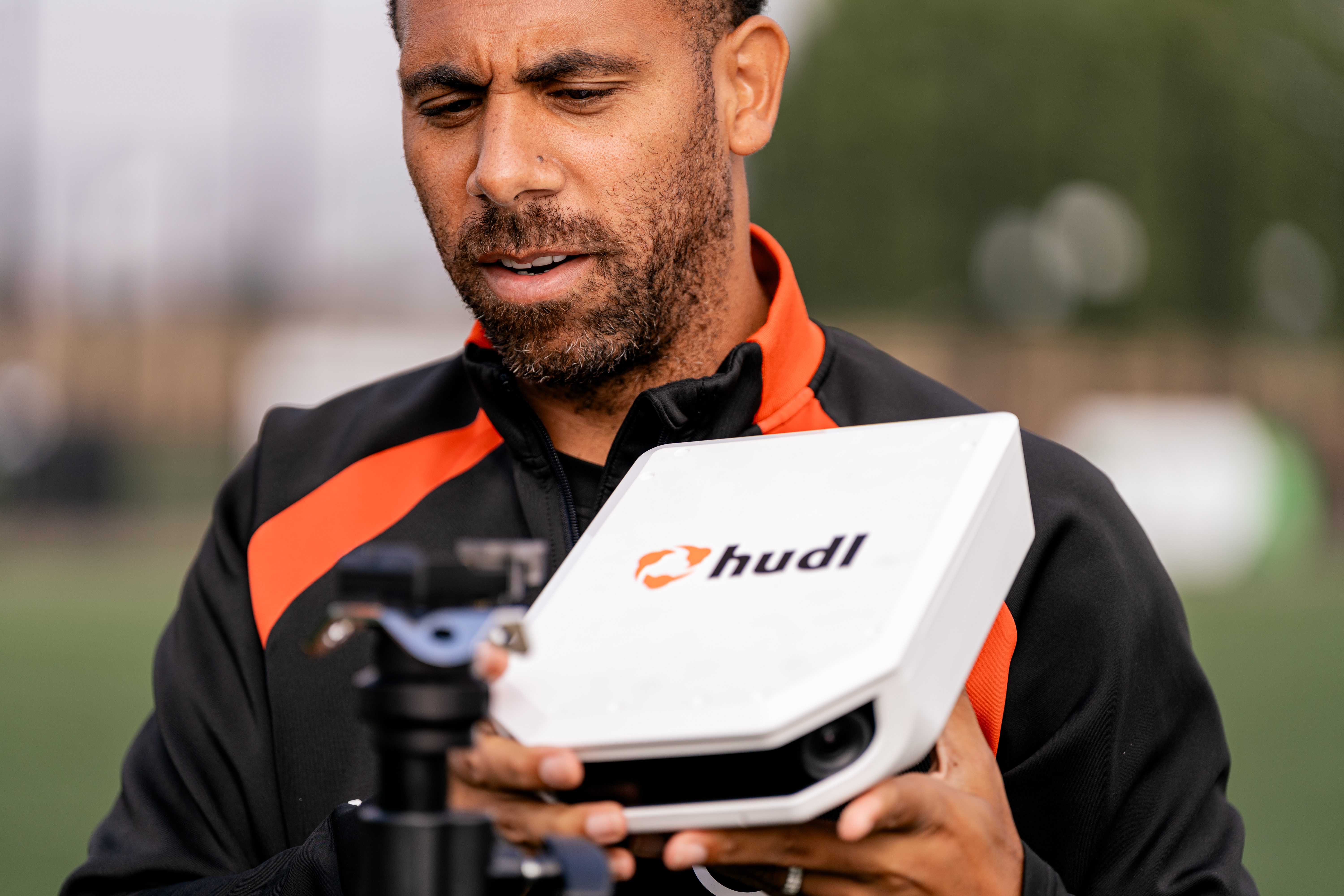
This is precisely the kind of insight that elevates a young player from technically competent to genuinely self-aware of their own game. Having the video footage allows players to learn from their mistakes and see situations from a different angle, bridging the gap between instinct and understanding in a way that traditional coaching alone cannot.
For the Ferdinand Collective, Hudl's tools are not just about refining technique. They are another vehicle for delivering on the central mission: helping young people know themselves better. Self-knowledge on the pitch transfers to the real world. It builds the resilience, the capacity to handle criticism, the ability to adapt — skills that carry young people far beyond football.
"The coaches don't just tell you what you did wrong. They show you, and when you see it, you can't unsee it. You don't just learn about football, you learn about yourself, about how you react and how you handle pressure. It's not just the drills, it's understanding the game and understanding yourself."
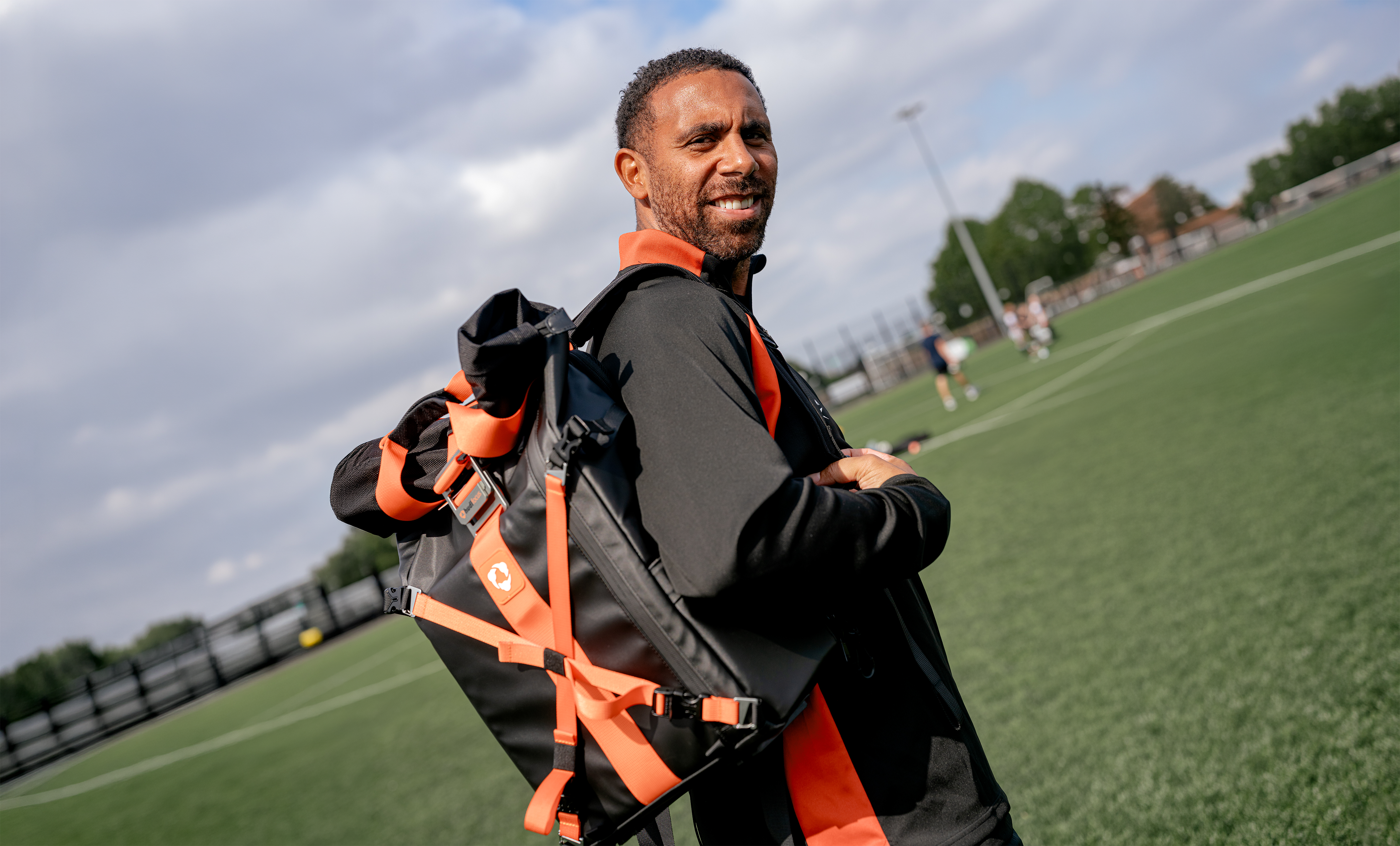
The players themselves already sense it. Asked where they see themselves in five years, their answers balance footballing ambition with something broader: keep working hard, carry on with school, keep pushing in other things, make sure I'm getting successful in more than just football. They are, without perhaps realising it, already living the Ferdinand way.
The Ferdinand Collective started with a family — with a father who picked up his sons' friends when their own parents couldn't, who challenged his boys mentally when he couldn't coach them physically, who laid foundations so solid that they outlasted everything else. Now that family's vision belongs to every young person who steps onto a Ferdinand Collective pitch and decides to believe they can be more.
"I'm living proof of it. Rio's living proof of it. Use the soft skills you're learning on the pitch to set you in good stead for the rest of your life."