The Nygren Paradigm: Analyzing the Rush for Young Scandinavian Talent


Jonathan Fadugba details the transfer trends impacting young players in Scandinavia.
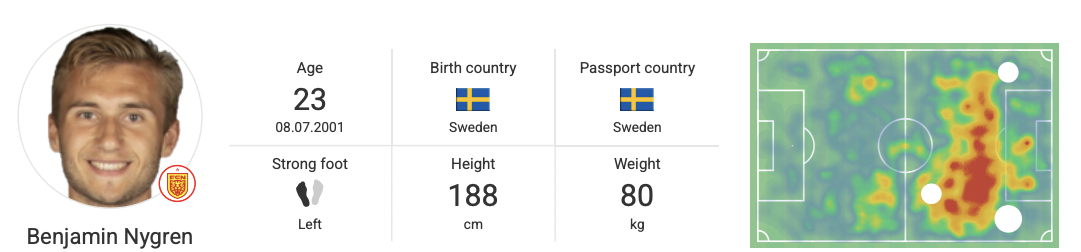
It is almost bewildering to look back now at this rapid rise and realise that all this took place while Nygren was still only 17. He had not even passed his driving test, and admitted in an interview that he felt at home at IFK, in his home city. He may not even have wanted to leave, yet this is the emerging trend in Swedish, Scandinavian and indeed perhaps modern football in general. Get the data, get the evidence you need via video or in-game scouting, and get the player signed.
The move did not work out. Nygren made just seven appearances for Genk in Belgium - even less than the fifteen that earned him the multimillion pound move there. He was subsequently sold at a major loss two and a half years later to Danish outfit FC Nordsjaelland, where he has since rebuilt his career.
After 15 goals in 30 Superliga games last season and a move to the Scottish champions, Nygren is again on an upward trajectory – albeit after a more roundabout route than initially expected.
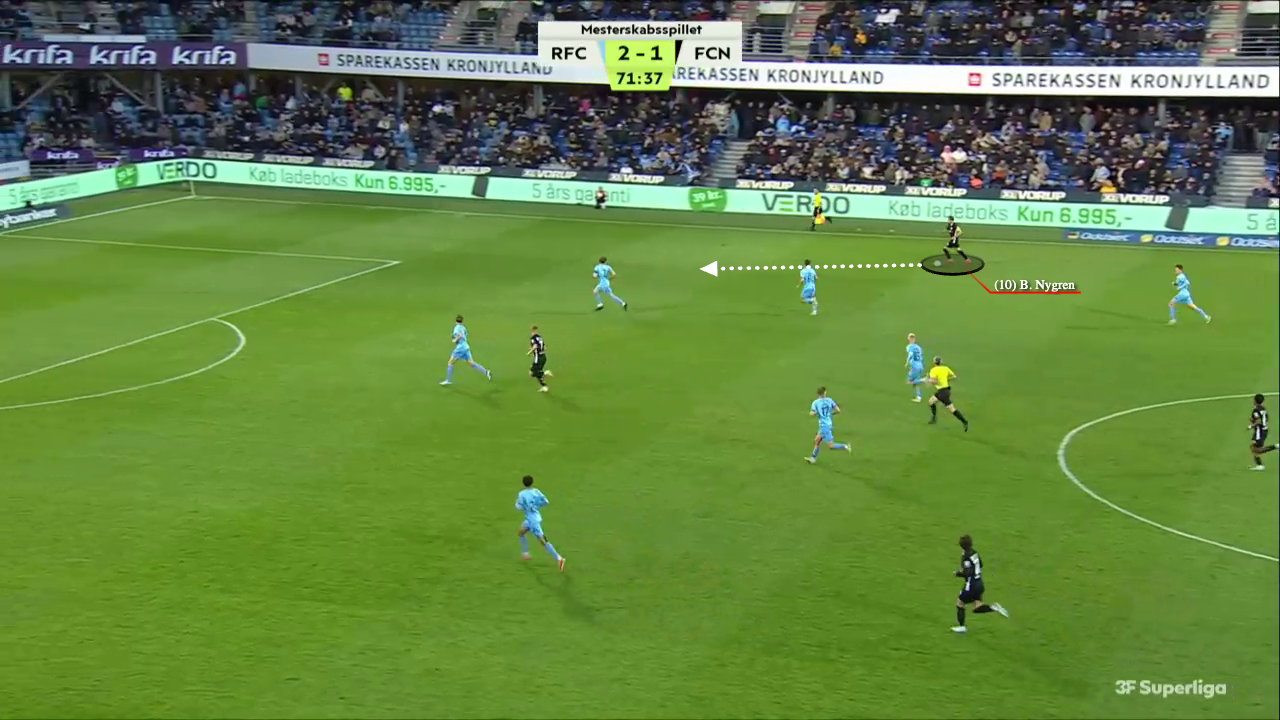
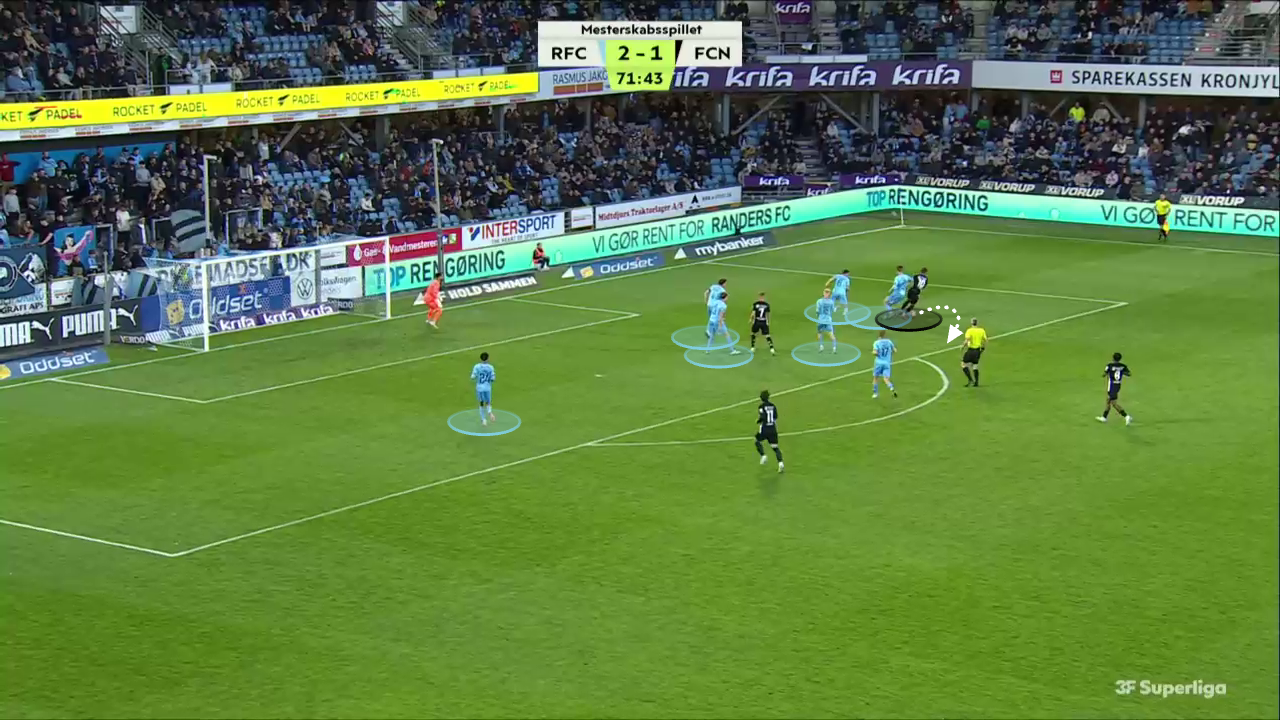
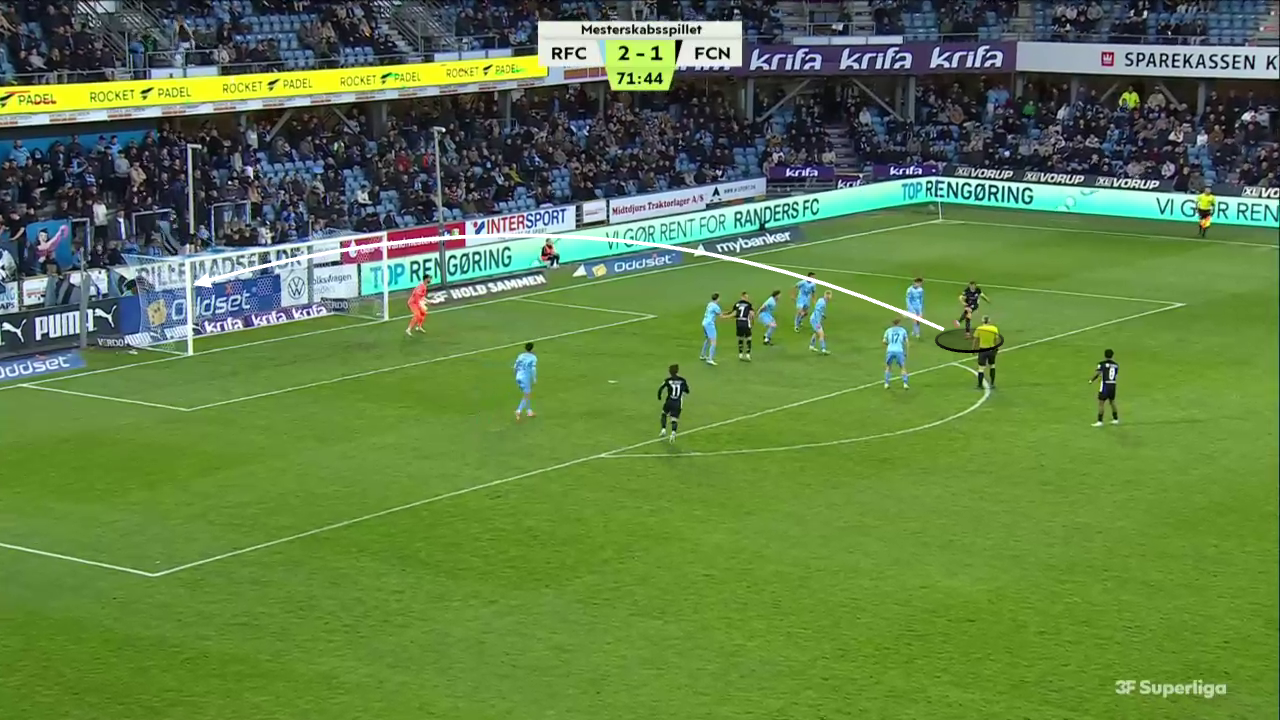
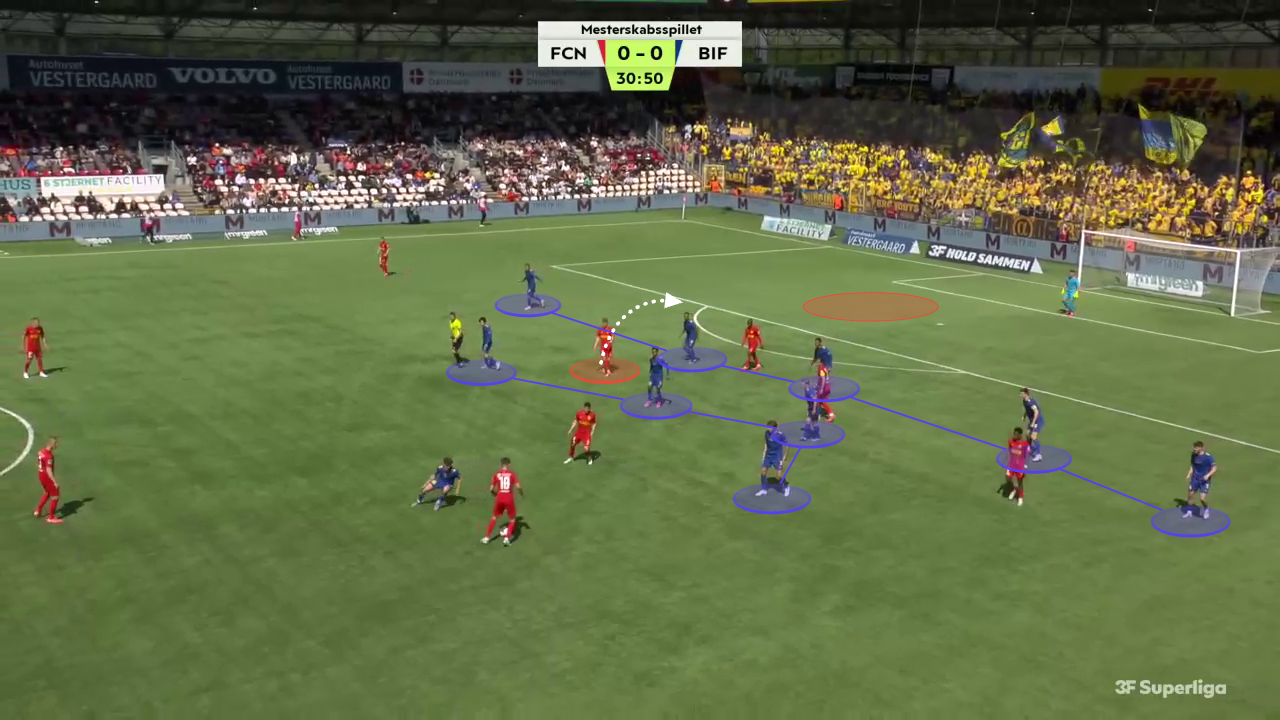
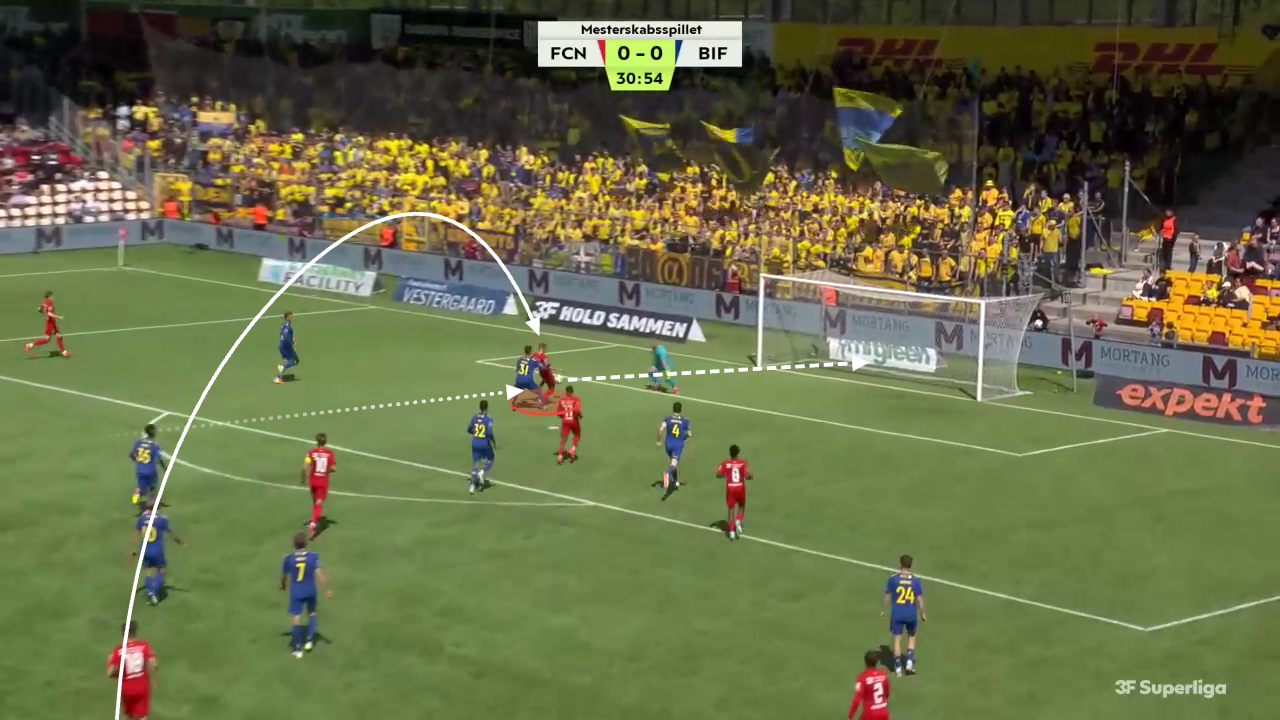
The following sequence of play from Hudl Wyscout demonstrates his technical quality, ball-carrying ability, lightness on his feet, awareness of space, and capacity to produce a moment of magic with his accuate left foot:
This is a story that can be seen as a rising trend in Scandinavia. There are many such examples: Jens Petter Hauge springs to mind. He made a lot more appearances at Bodo Glimt in fairness, dazzling in Norway before a mega-move to AC Milan in 2020 at just 20 years old. Again he was not quite successful, and is now thriving back home in Norway at Glimt and young enough for another tilt abroad.
But what is causing this trend of clubs taking a punt on young Scandinavian talent? It’s simple, a growing army of European scouts are using video scouting to monitor Norway, Sweden and Denmark these days and it does not take long to garner their attention.
Part of the reason for this swell of interest is the growing talent pool in these regions. Successes at youth level - Sweden won the U21 European Championships in 2015, for example - and in youth development in general have helped create a number of dynamic, attractive talents in the region that can play a modern style of football that appeals to scouts in bigger leagues.
As such, teams are willing to shell out sizeable fees to secure the best young talent in the region. Sebastian Nanasi, who moved from Malmö FF to France at 22 years old for a record €11 million euros, and Hugo Larsson, who also broke the Allsvenskan record with a transfer to German giants Eintracht Frankfurt from Malmö a year earlier in 2023 at 19 years of age for €9 million, are other examples.

And with extensive coverage of the U17 and U19 versions of the Swedish Allsvenskan and Norwegian OBOS Nasjonal included in the Wyscout Youth Pack, clubs from around the world are able to see those exciting talents at a younger age.
Backed with video evidence, scouts are able to make more informed decisions on youth talent, as they look to beat the competition and act before they are hit with the rising cost of in-demand Scandinavian talent.
Sindre Walle Egeli is a prime example. Having excelled at youth level for club and country, Nordsjaelland moved quickly to sign the goal-scoring winger at the age of 15. Now 19, Walle Egeli provided nine goals and five assists in the Danish Superliga last term and is valued at €15 million, as per Transfermrkt.
Aside from reinforcing the excellent youth development work being done at Nordsjaelland, Walle Egeli’s pathway acts as a more linear progression than former teammate Nygren and shows that an early move can work – provided the right landing spot is found.

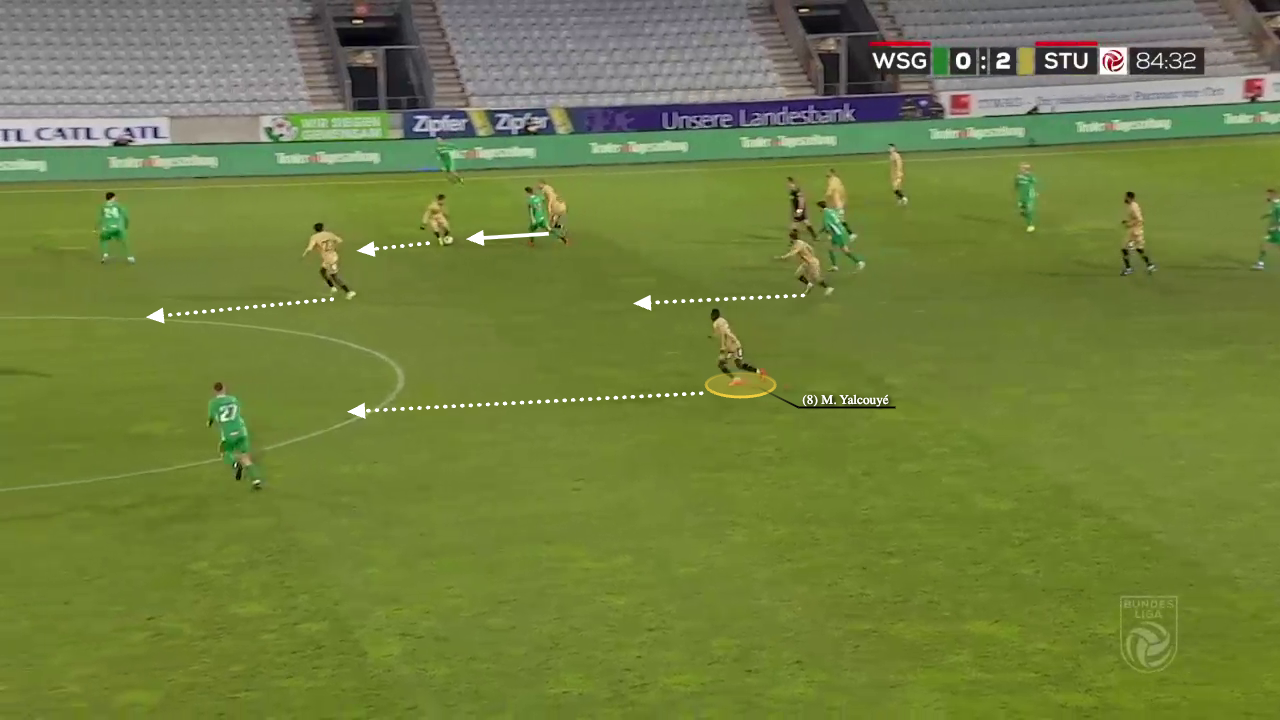
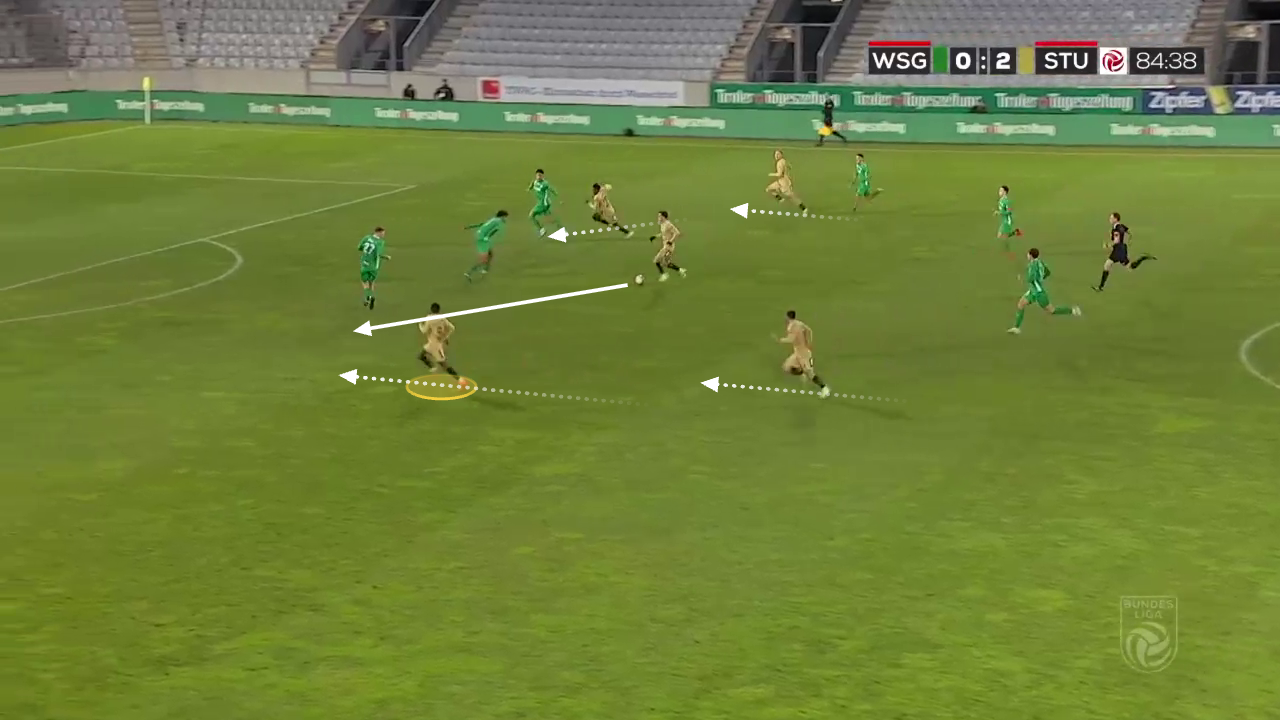
Malick Yalcouyé (IFK Göteborg to Brighton and Hove Albion in 2024) was another record-breaking sale for the Swedish club at €7 million. The young Ivorian played half a season in Allsvenskan - even less than Nygren’s 15 games five years earlier, while another Ivorian talent, Odilon Kossounou, didn’t even play ten games for Hammarby before he was shipped off to Belgium for close to €4 million.
The likes of Bazoumana Toure and El Hadji Malick Diouf are further examples of players who spent less than a year before being moved on for a healthy profit, while David Datro Fofana, Victor Boniface and Gift Orban all add to the Scandinavia’s prestige of developing exciting forward talent, whether it be domestically or internationally sourced.

On the one hand, this trend of talent leaving early can be seen as a ‘brain drain’ of sorts for Scandinavian football. Talent leaves quickly, meaning the quality of the leagues may inevitably suffer as teams struggle to replicate that ability before it moves on.
On the other hand, new stars emerge, while the finances of these teams have arguably never been better. Clubs in Sweden and Norway are now increasingly liable to make €10+ million deals for their players on a regular basis as competition has inflated prices.
This has led to many clubs being in their greatest economic situations for years, the knock-on effect of which can be seen at a club like Bodø/Glimt, whose calculated player sales and smart management has allowed a relatively small Norwegian club to go as far as reaching the UEFA Europa League semi-finals last season, a feat never before accomplished by a Norwegian club.
Or Djurgårdens IF in Sweden, whose multi-million pound record sale of a star like Lucas Bergvall to Tottenham Hotspur helped create the economic conditions for them to reach the UEFA Conference League semi-finals, again a first for a Swedish team.
