Three of Europe’s top analysts tackled the question: how do you make analysis actually change decisions? We recap the panel discussion from PFS 2026.
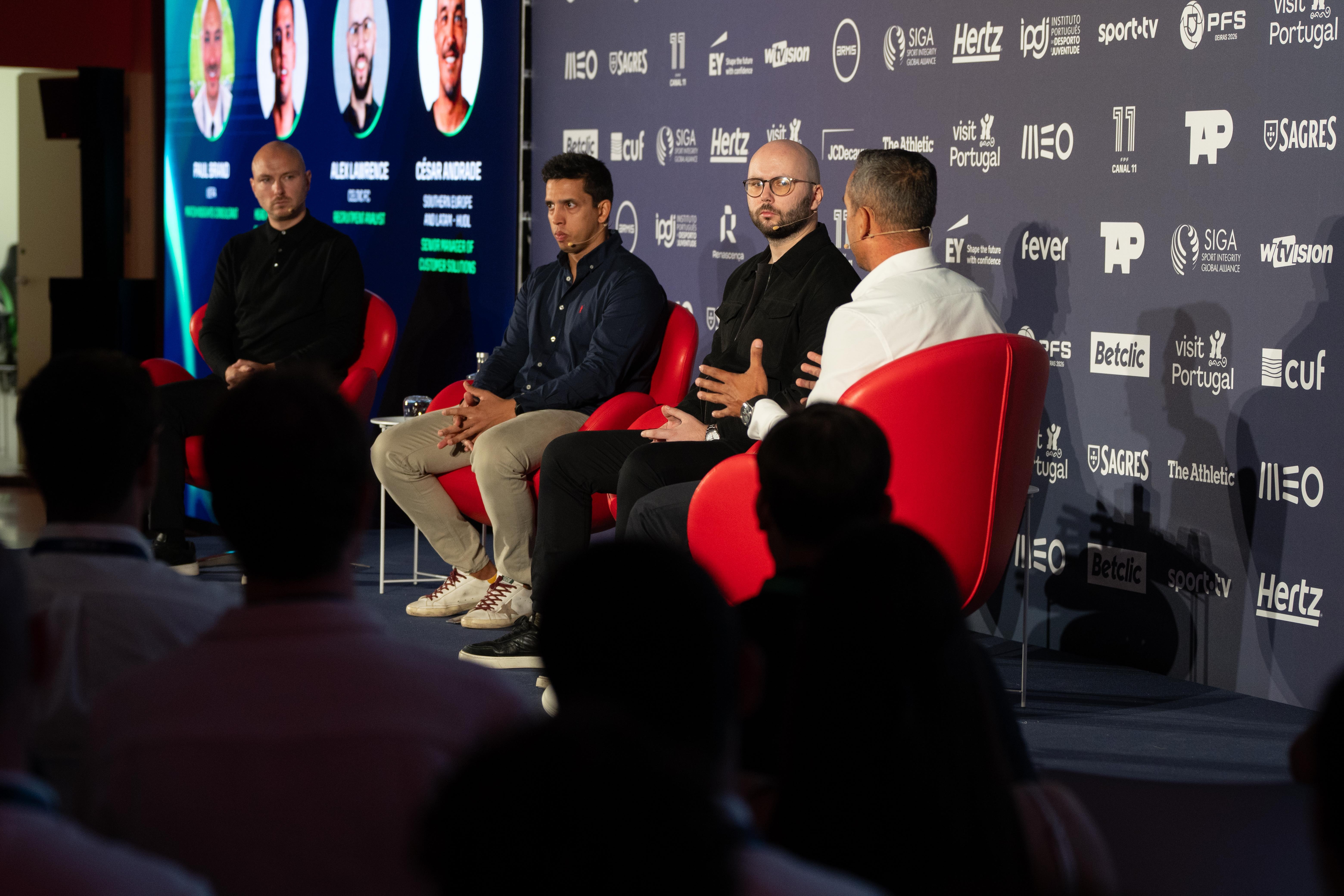
Solving the three-stage problem
Lázaro opened with a framework that framed the whole discussion. Analysis at Braga, he explained, runs through three stages: gathering information, processing it for the coaching staff, and then delivering it to the players. Most analysts are confident in the first two. The third is where the real difficulty lives.
"The head coach doesn't need to know everything," he explained. "They play every four days and can't manage all the information. We need to select what the coaches will receive."
The player stage requires a further filter. There, the analyst must be "mindful of the context we're in," and that context can change dramatically from one fixture to the next.
Lázaro gave a concrete example that got the room's attention: Braga preparing for a Portuguese Cup tie against Rebordosa A.C., a third-division side, knowing that four days later they faced Real Madrid in the Champions League. The information players need for each of those matches is fundamentally different, and the analyst's job is to manage that shift.
"I cannot turn Rebordosa into Real Madrid," he said. "The way we filter and triage information for players - we need to know what we're telling them."
It is a deceptively simple observation, but it points at something the broader footballing community still underestimates: the last few metres of the analysis pipeline, from screen to pitch, require as much craft as the analysis itself.
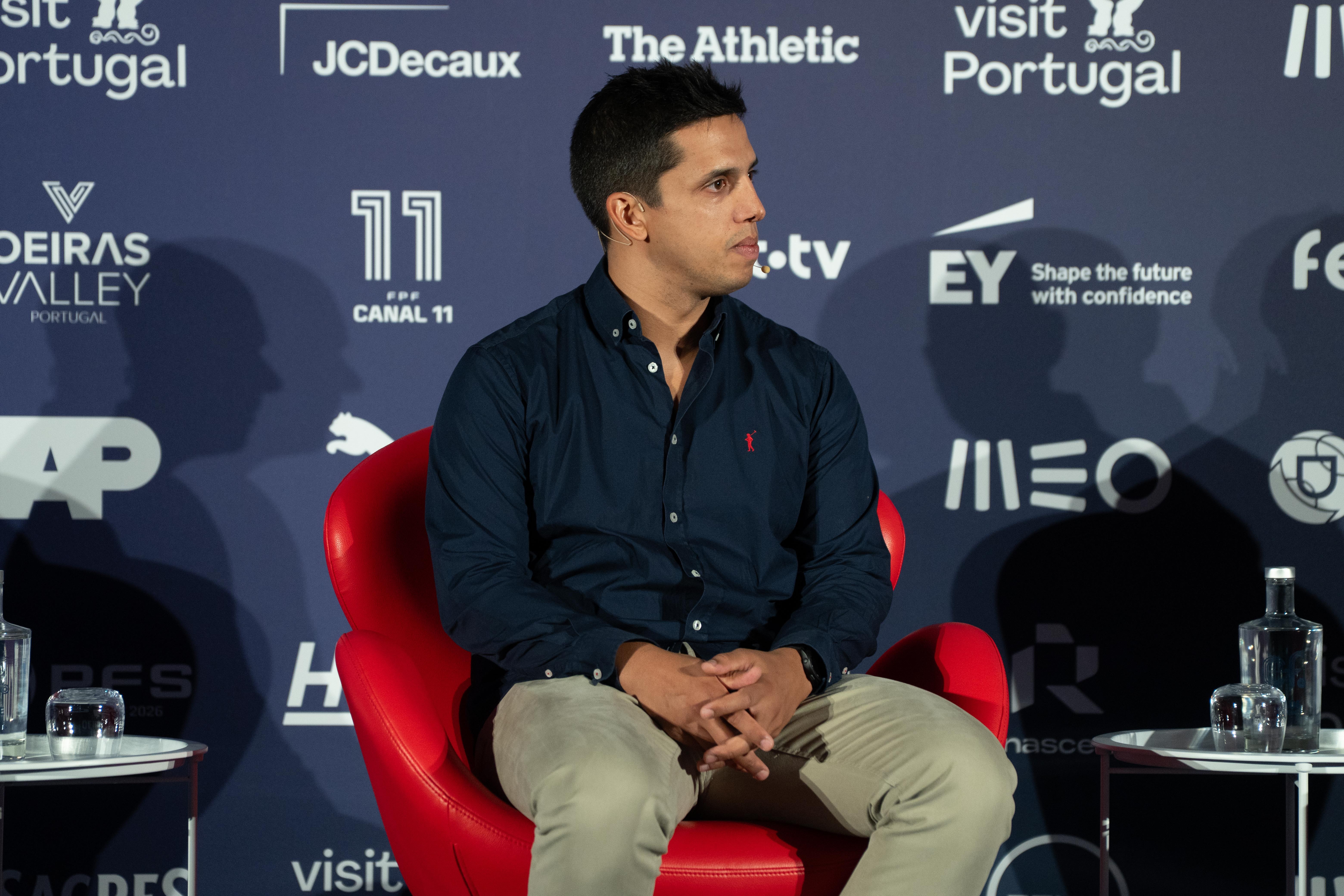
The relationship is the infrastructure
If Lázaro's contribution was about editorial discipline, Paul Brand's was about the human layer underneath all of it. Speaking from his experience at Manchester United, where he worked under five different head coaches across 12 years, he was direct: the quality of the work is inseparable from the quality of the relationship:
"You can be the best analyst in the world, have the best tools, and spend hundreds of thousands of euros on data equipment. But if your relationship and your connection is not there, the ability to maximise all of those tools is massively reduced."
When a new manager arrived at Old Trafford, Brand explained that his priority was not to impress them with analysis, but to make them feel supported:
"The message was always: we're here to support you. We might have our own beliefs on how best something lands in this country, in this league, with these players. But our job was always to maximise the capability of the head coach and the coaching staff, because that's why they've been brought to the club."
Brand also raised an insight from his new role at UEFA, where the mission has shifted from winning matches to educating coaches across 55 national associations. The challenge of making analysis land when you are not embedded in a club, and when the coaches go back to their own countries afterward, is a different kind of problem. The medium of delivery - whether it be video, live presentations, or shared content - has to carry weight that a daily relationship would otherwise carry.
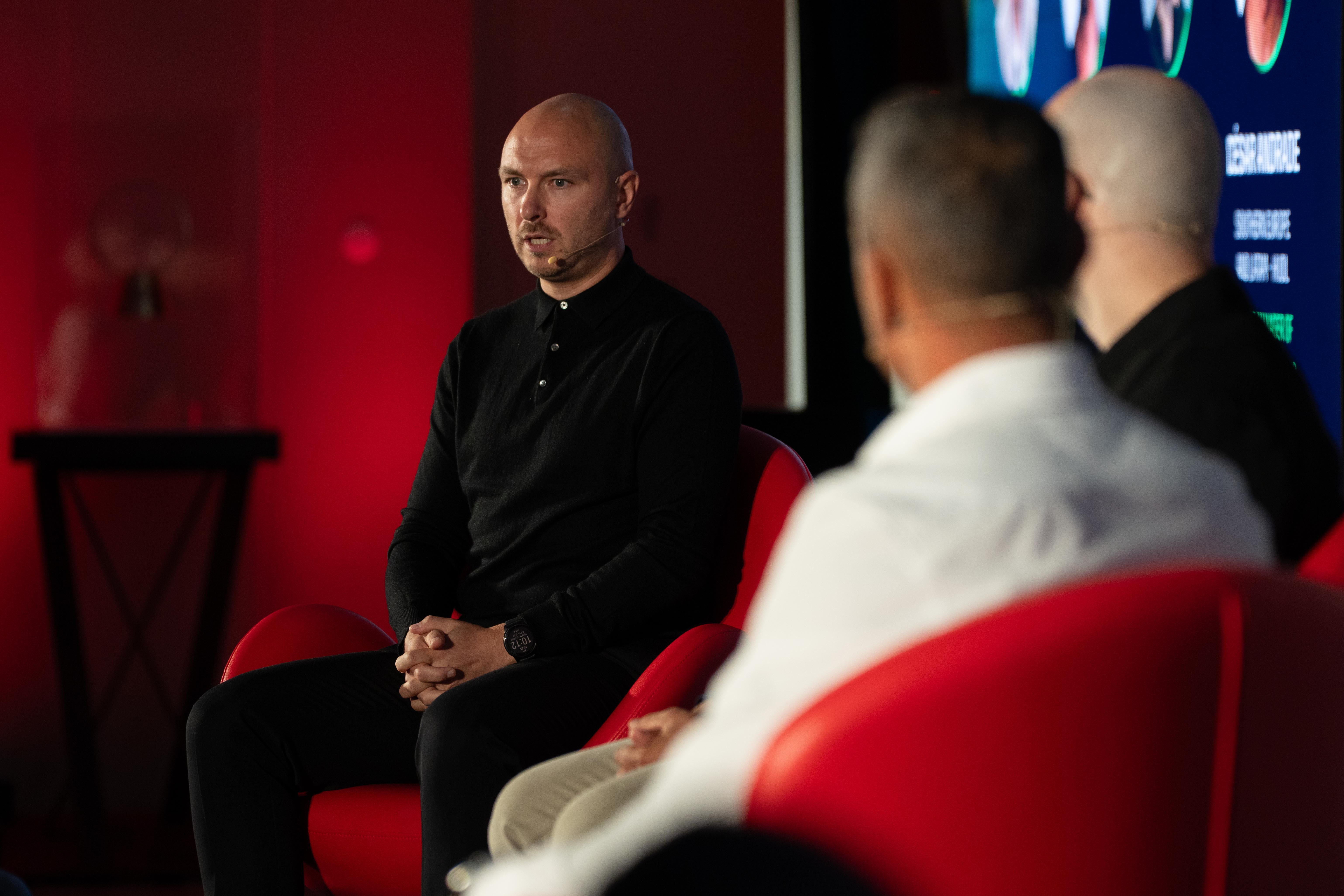
Clarity and consistency: making an impact in real time
Alex Lawrence's contribution came from the recruitment side of Celtic's operation, where he has several years of experience working under very different managers. On the question of which coach had most impressed him in how they engaged with analysis, his answer was Ange Postecoglou, and he had a specific reason.
"The message was so clear that everybody - the staff, the players - knew what was expected and what the message was going to be. There was never really much change on what the message was week to week."
The second quality was consistency. Postecoglou never missed an analysis session. Whether there were three days between games, seven, or an international break with 21 days apart from his squad, the message was always delivered. Players would sometimes arrive in the morning, complete a video session, train, come back for another video session, then board the bus for a hotel before the next game.
"He was very comfortable doing that," Lawrence said. "And being so clear with his message helped us as analysts. We didn't have to spend half a day working out what the message was going to be. We could be very quick with that."
The effect runs in both directions. A manager with a clear, consistent message makes the analyst's job easier. And an analyst who understands exactly what the manager needs can deliver it faster, and with more confidence.
Lawrence also spoke to the live-match dimension of communication, something Brand had introduced through an anecdote about a Europa League game in 2017, when José Mourinho invited him onto the bench.
What struck Brand about that experience was just how intense and condensed real-time decision-making is from the dugout. It recalibrated how he thought about in-game communication when he went back to the analyst's position in the stands.
"My communication needs to be clear, and I have to have quite a high threshold with regards to what I'm going to communicate," Brand said. "In the moment, you've got fifteen seconds of attention to deliver maybe one message during the game."
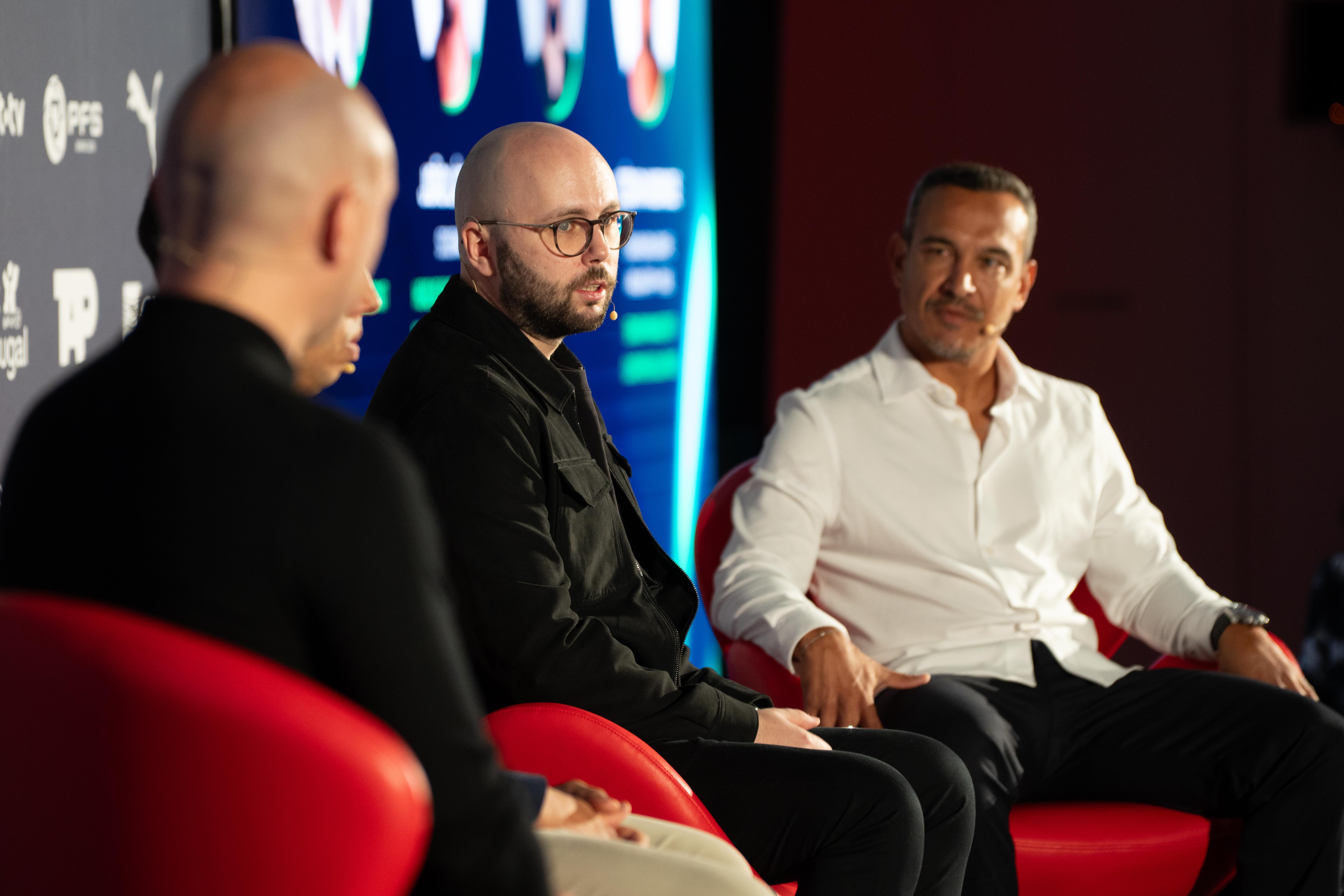
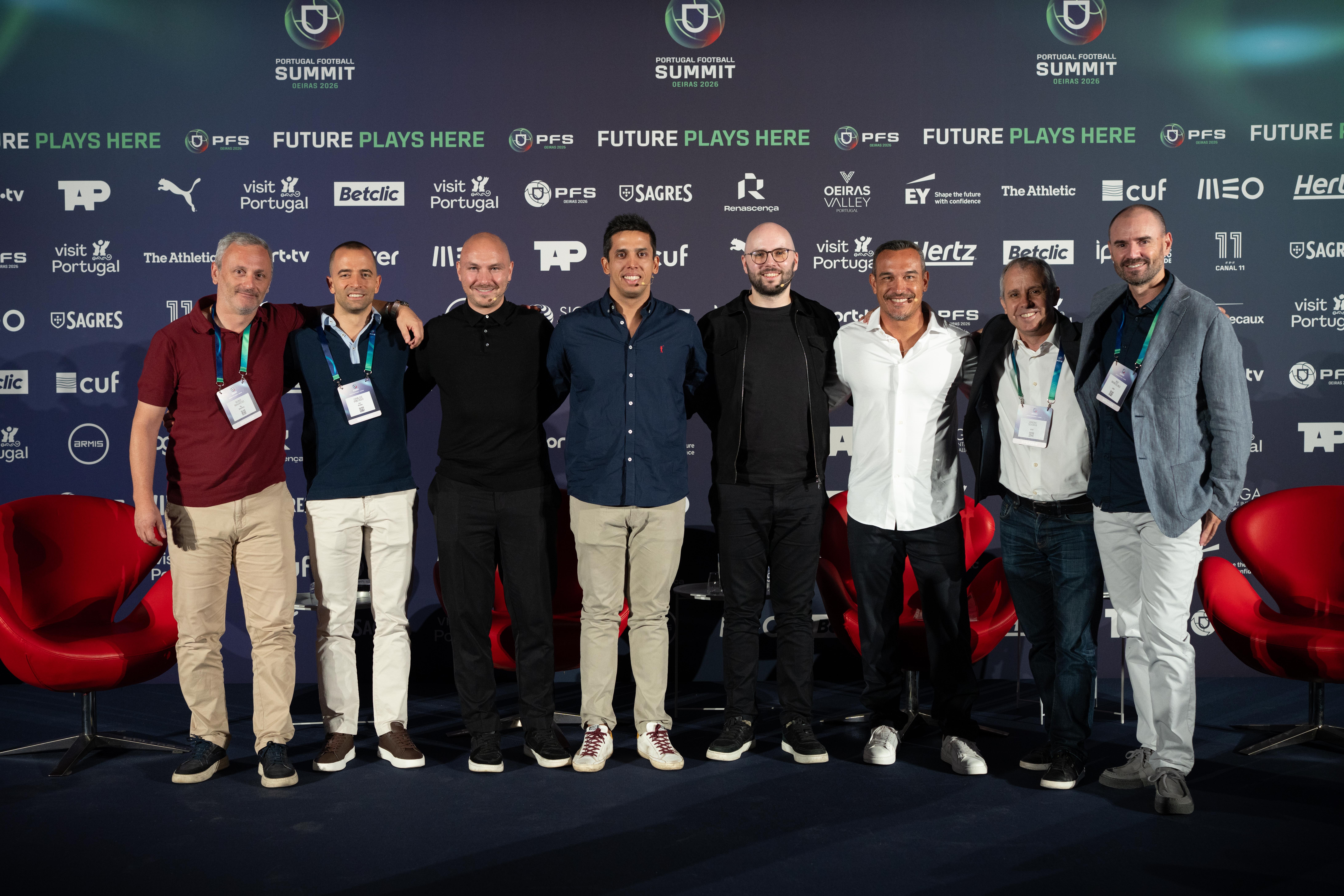
Those three ideas embody Braga's story, a proof of concept of what a club’s analysis department can look like if they commit to those principles over time. As João Lázaro explained, the club had virtually no analysis infrastructure when he arrived 13 years ago, and now runs a full department across every age group.
The infrastructure was people before it was technology: relationships, methodology, and the slow work of making analysis part of how coaches and players think.
The tools and technology have grown to match that. Hudl Statsbomb data feeds match preparation, Focus Outdoor handles video capture on matchday, Hudl Sportscode manages in-game data collection, and Hudl Replay keeps the bench connected in real time. Each layer of that workflow exists to close the gap between the screen and the pitch faster, and with more precision.
The discussion rounded off with Cesar's observation that everyone in the room had been talking about analysis across three full days, and it was still full. At the close, FPF Academy Director André Seabra invited some of the analysts in the front row to the stage - among them Nuno Maurício from Benfica and Carlos Pintado from FC Porto. 'This is a milestone for the analyst community,' he said. 'We should register this moment.'
For a field that barely existed at most clubs a decade ago, perhaps that is the most telling sign of where the game is heading.