
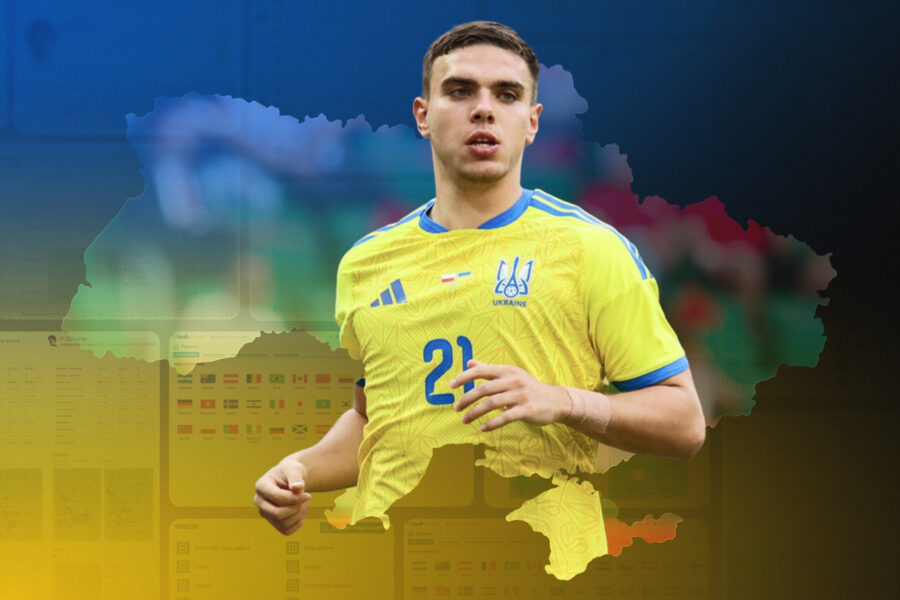
Amidst difficult times, football is thriving in Ukraine. Here’s five reasons why more scouts are taking notice.
Ukrainian football, along with the entire nation, continues to stand strong. Domestic competition has been damaged and disrupted by the ongoing Russian invasion, the national team have been living a nomadic existence, and many players and their families have been displaced.
And yet, despite it all, the Ukrainian Premier League - the top flight of football in the country - has soldiered on. Other than a brief suspension of play at the start of 2022, the competition has continued to function and, against all odds, talent is still flourishing – making it an undervalued place to scout.
Recruitment departments are beginning to cotton on. According to CIES's latest player export report, Ukraine sits just outside the top 20 for expatriates, with an increase of 41 players since 2021. That places them marginally behind Japan and just above the USA and Norway.
Global visibility through the exclusive coverage of the UPL on Hudl Wyscout, the world’s largest football video and data library, is one contributing factor to this trend, especially at a time when travelling to scout in person poses significant challenges. But what else makes Ukrainian players and the division itself such an attractive destination? Here’s five reasons why the UPL belongs on every scout’s radar.

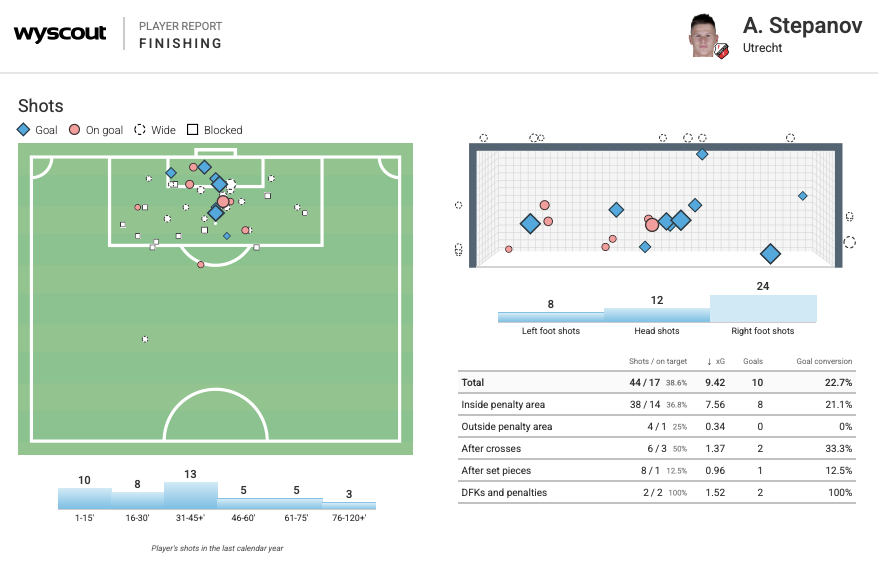
Watching clips of him on Wyscout, the comparisons with Erling Haaland are clear to see - and not just because of the undercut ponytail. Tall but still rapid across the ground, he is a threat both in the air and with the ball at his feet. His pace and power allow him to attack the space on transition and he thrives pulling off the shoulder of the last defender. At 19, he is still raw but has all the hallmarks of a modern number nine.
Stepanov is not an isolated example and there are a number of promising strikers still plying their trade in the UPL. Dynamo Kyiv’s 20-year-old Matiy Ponomarenko leads the way. Already a Ukrainian senior international, Ponomarenko was the top scorer in the 2025/26 season and is known for his clinical finishing, intelligent movement and composure.
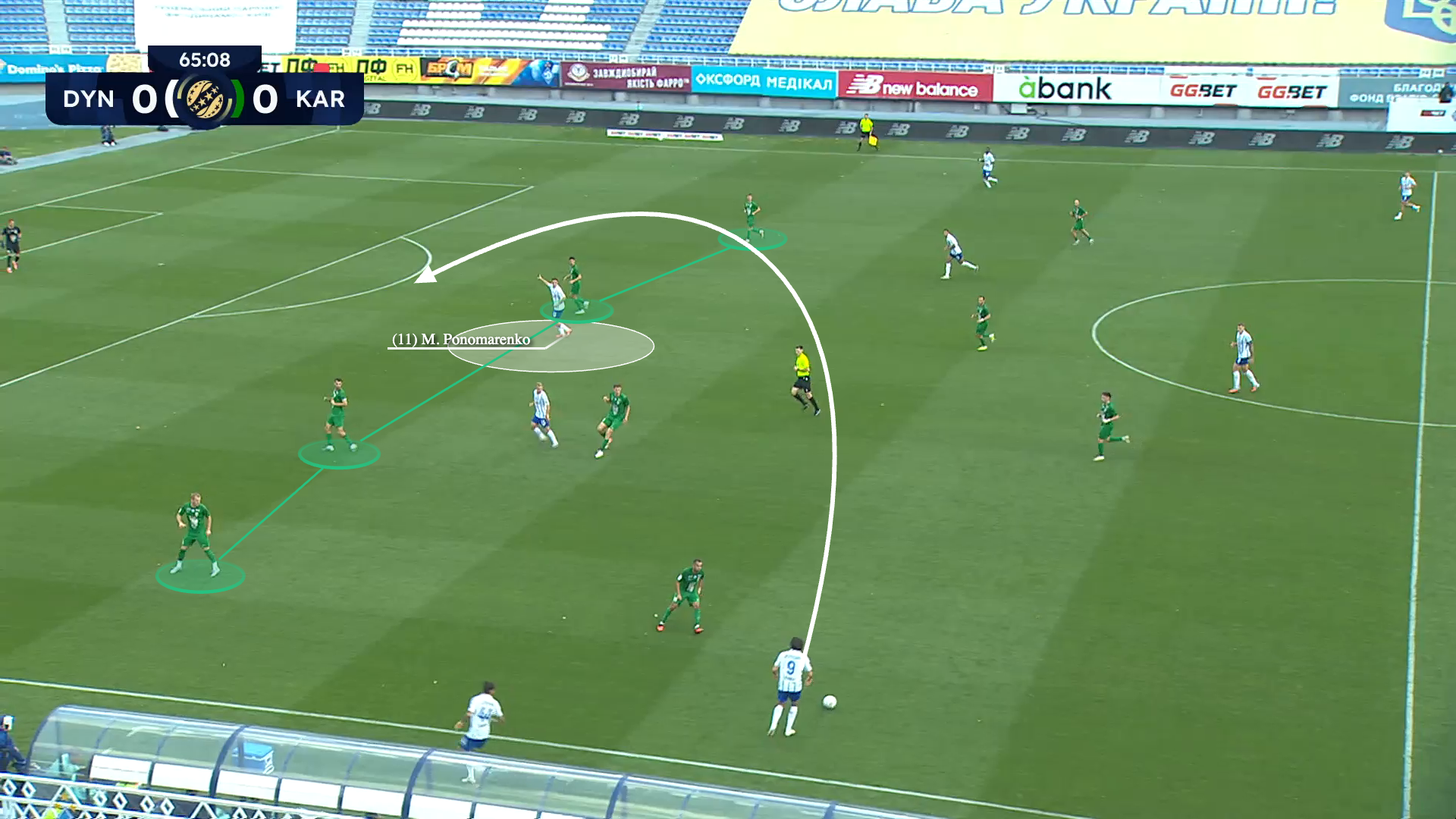
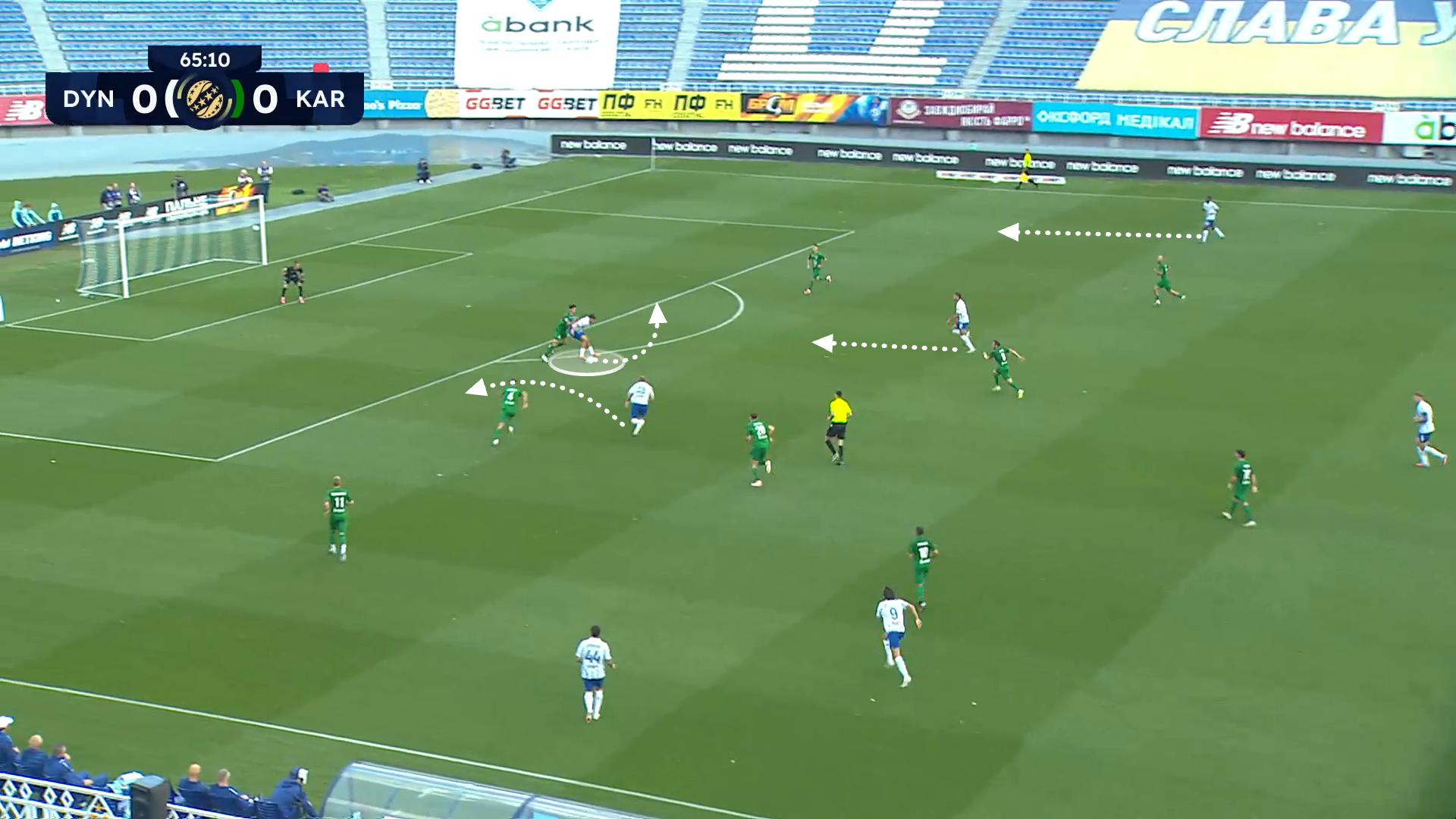
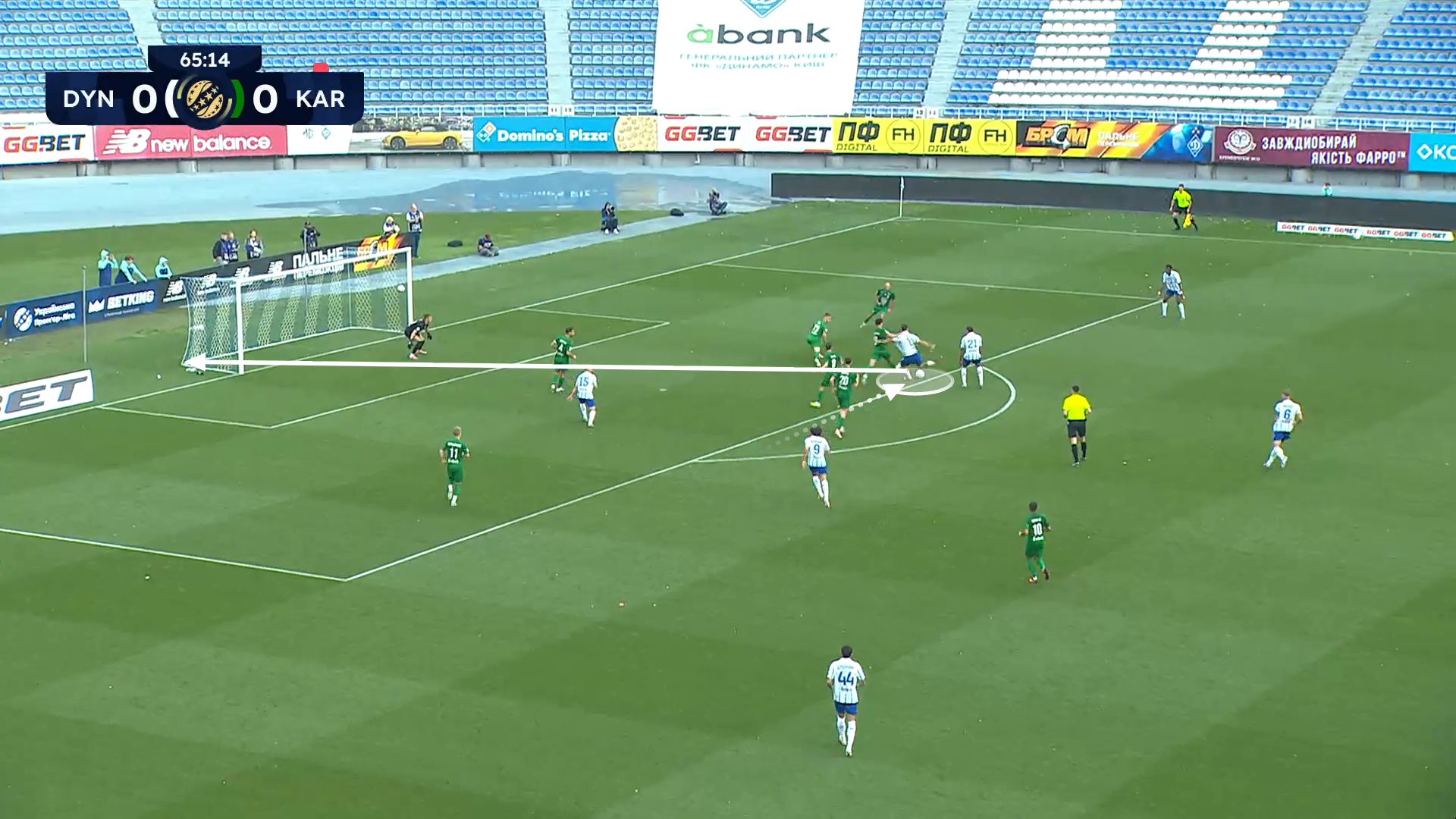
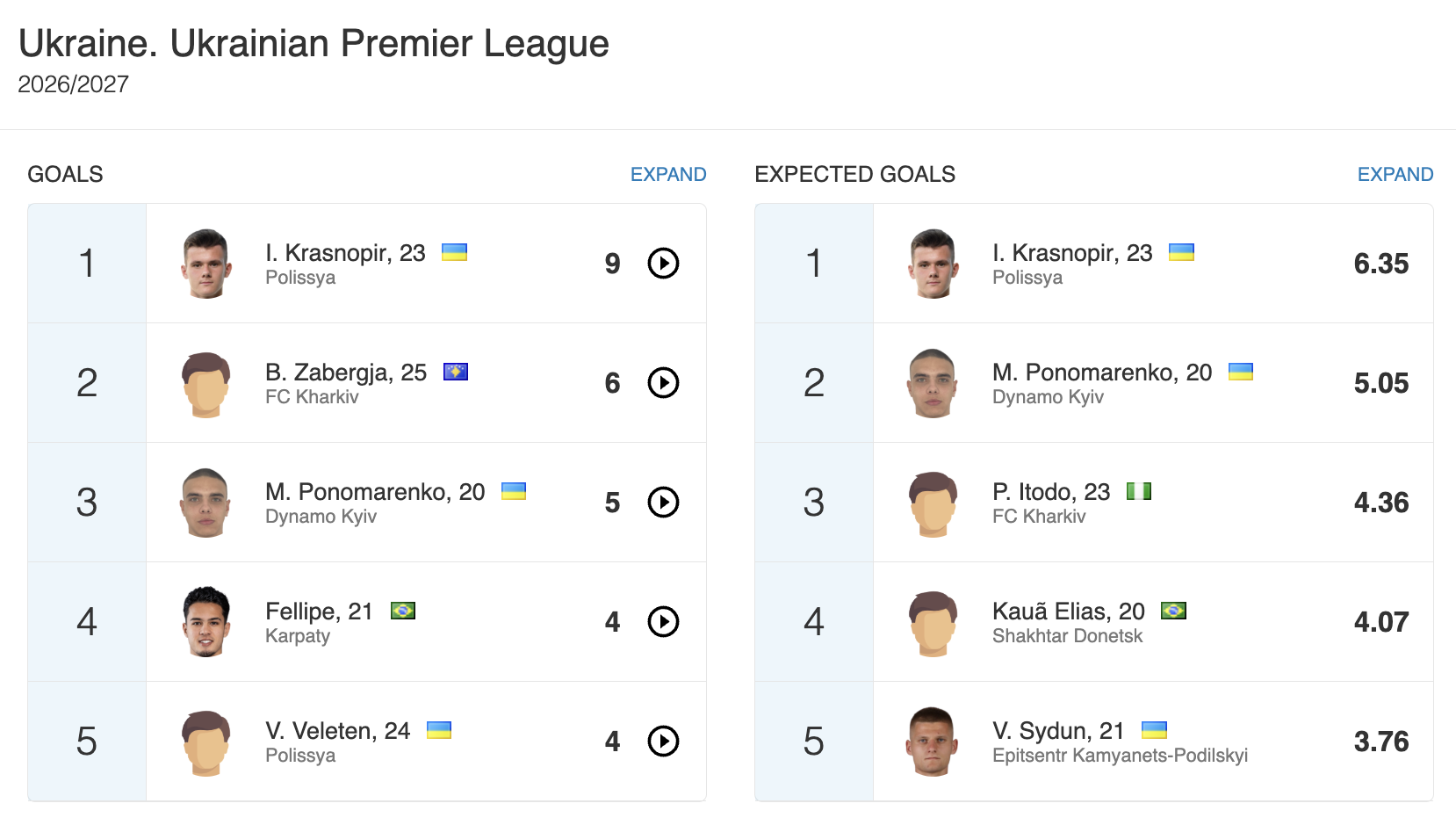
And he’s already started where he left off, with five goals this season. The appearance of Igor Krasnopir and Vadym Sydun in the top of the expected goals rankings is yet further proof of the young attacking talent that both the UPL and Ukraine in general is currently producing.
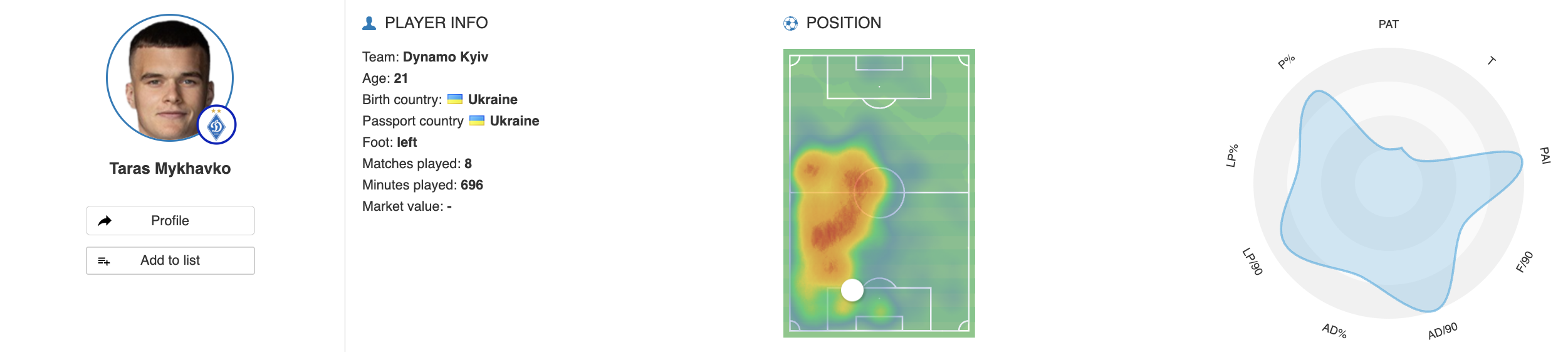
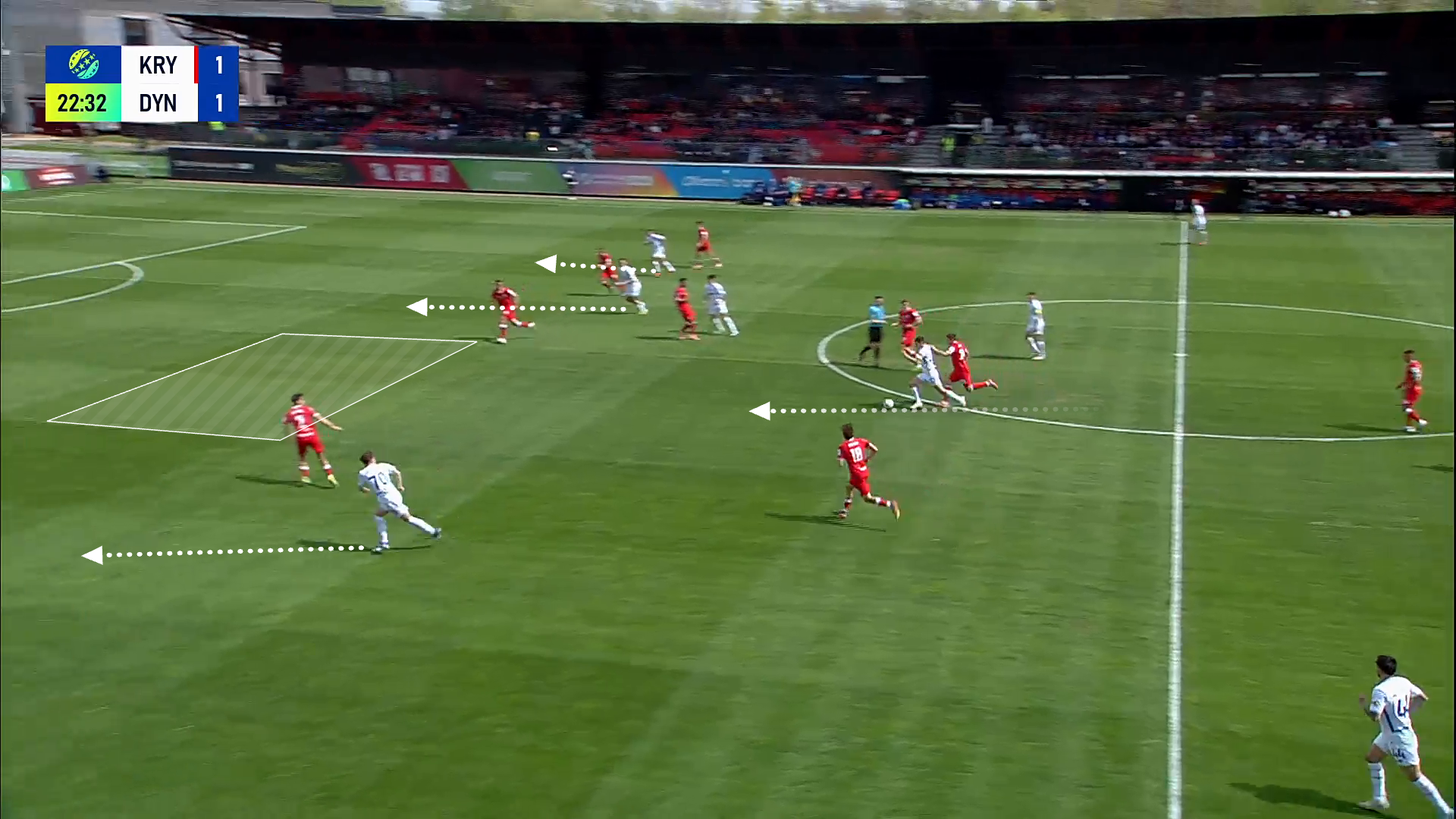
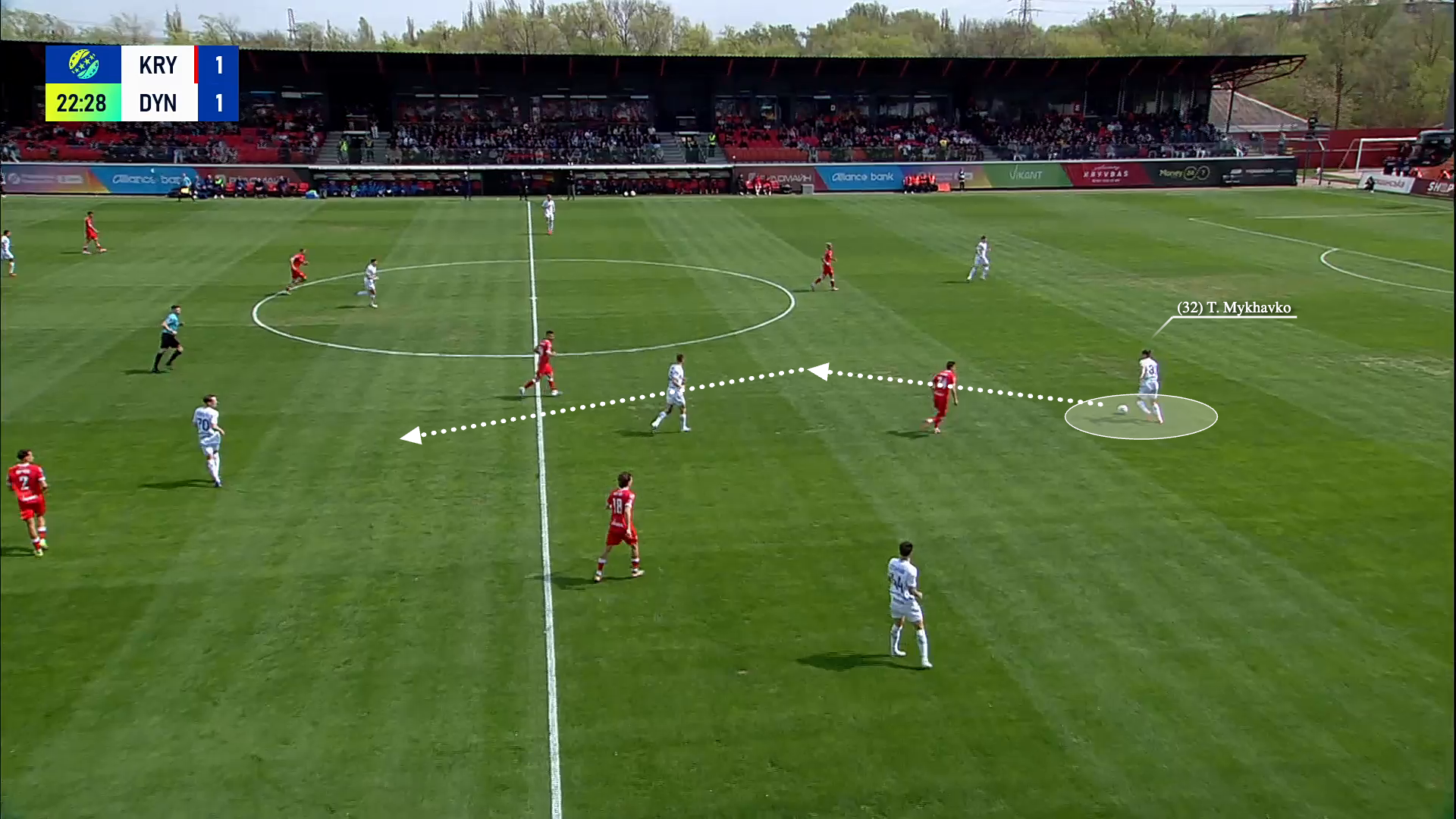
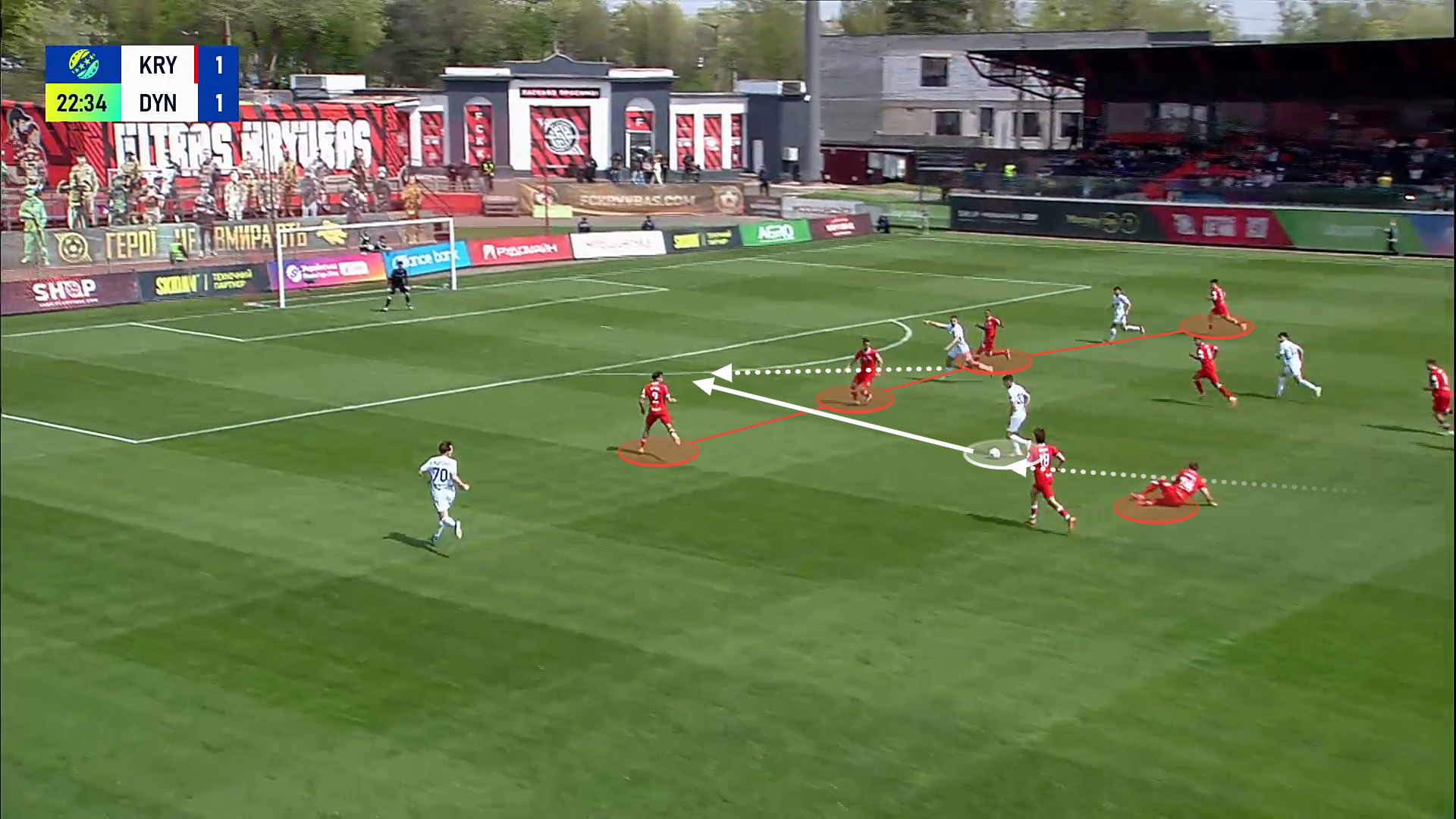
Elsewhere, Kharkiv’s 22-year-old Illya Krupskyi is also on the fringes of the national team, and across town at Metalist teen sensation Kyrylo Digtyar is one to watch. In May 2023, he broke the record for youngest debutant in the Ukrainian top flight at the age of 15 years and 159 days old and can operate at both left centre-back and left back.
3. Strong Performances at Youth Level
The men’s senior national team might not have qualified for the World Cup since 2006, but at youth level there have been a number of promising signs.
In 2019, Ukraine won the U20 World Cup for the first time in their history, and made the round of 16 in last year’s edition. They also achieved a third-place finish at the 2023 U21 Euros, while their under-19s have made the Euros semi-finals in both 2024 and 2026.
Their squads are usually predominantly domestic-based, with the likes of the aforementioned Ponomarenko, Mykhavko, and Dihtyar part of the 2024 U19 side. Many of those players are now getting senior call ups before they’ve left the country.
Part of this success at youth level is thanks to leading Ukrainian academies aligning their training standards to contemporary European best practices. Young players are no longer judged on their impressive physical output, but are increasingly seen as tactically adaptable and capable of dealing with higher intensity at an earlier stage of their playing careers.
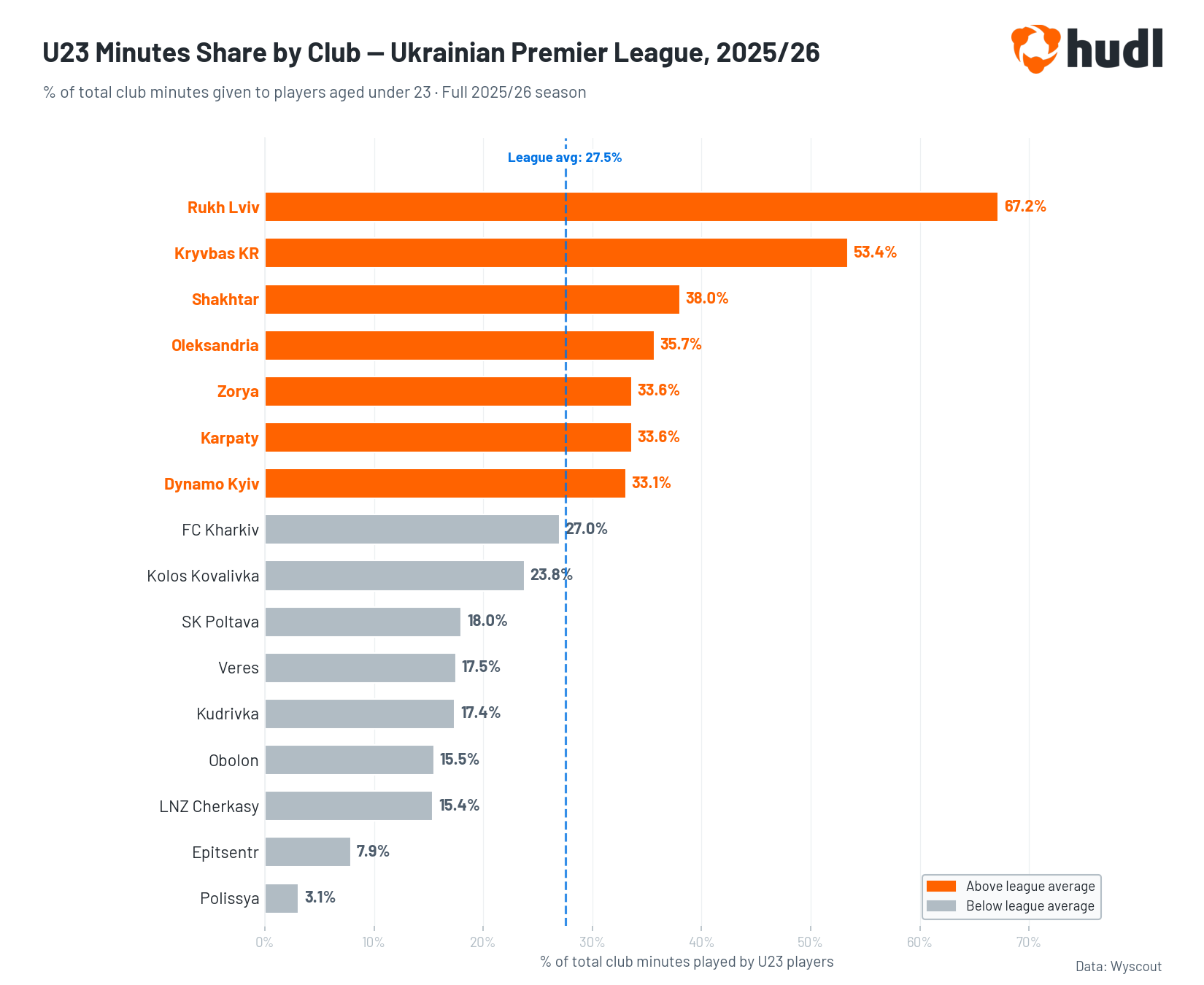
The mindset of clubs has also changed. In times gone by, Ukrainian clubs often sought to hold out for high transfer offers for their most talented youngsters. Now, the sale of academy graduates has become both an economic necessity and an effective promotional tool for the clubs themselves. A more open market and increasingly realistic valuations have made Ukrainian footballers attractive in terms of cost efficiency and sporting potential.
Additionally, the exodus of foreign stars due to the war has opened the doorway for younger players to get more first team minutes earlier in their career. This has also had a beneficial impact on player development and is a contributing factor to why the UPL is catching the eye of more scouts.
4. The Brazilian Connection
Yes, it might seem counter intuitive but Ukraine is a brilliant place to scout Brazilians.
Shakhtar Donetsk developed an innovative scouting model in the early 2000s, leading them to be dubbed a ‘Mini Rio”. They now have a long established network of contacts and reputation for offering young Brazilians a platform to secure moves to Europe’s elite - usually at a significant profit for Shakhtar.
The model became self-sustaining, as with more success stories and the creation of a strong community, it became easier to sell the project and ease the transition. Since 2002, 47 Brazilians have joined, scoring over 1000 goals, and raising in excess of €350 million in transfer fees. Notable players include Willian, Fernandinho, Douglas Costa and Luiz Adriano.
And not even the current instability has stopped the flow. The Miners currently count on 14 Brazilian players in their squad, with a duo of 18-year-olds, Bruninho from Athletico Paranaense and Ryan Roberto from Flamengo, the latest to join the project.
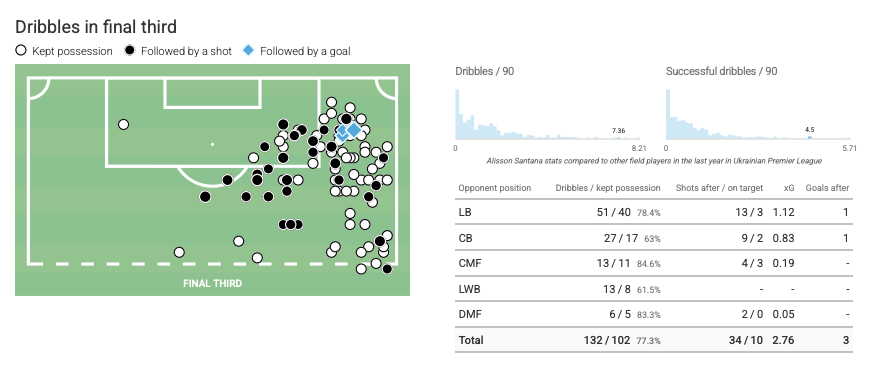
Alisson Santana is one of the players primed to make the move to a European powerhouse. The tall, technical winger joined from Atletico Mineiro in 2025 and impressed with six goals across 13 continental games for Shakhtar as they made the Europa Conference League semi-finals.
20-year-old striker Kauã Elias is also hot property after 11 goals in all competitions last season and three in his first seven league games this campaign. He joined from Fluminense as a teenager following impressive displays for Brazil U17s.
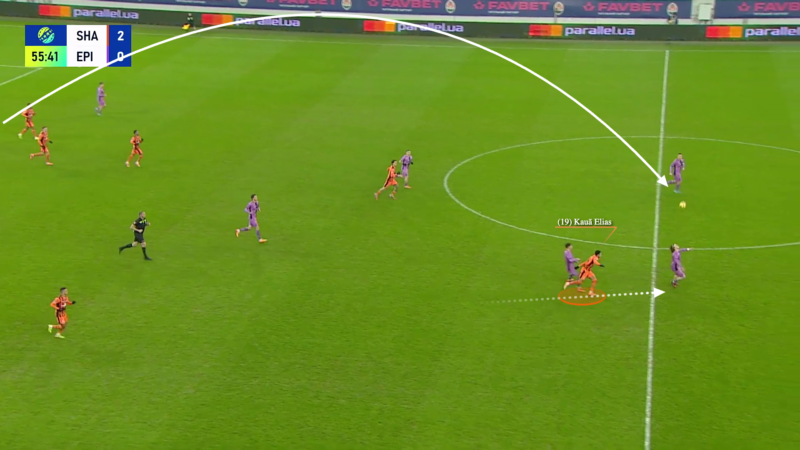
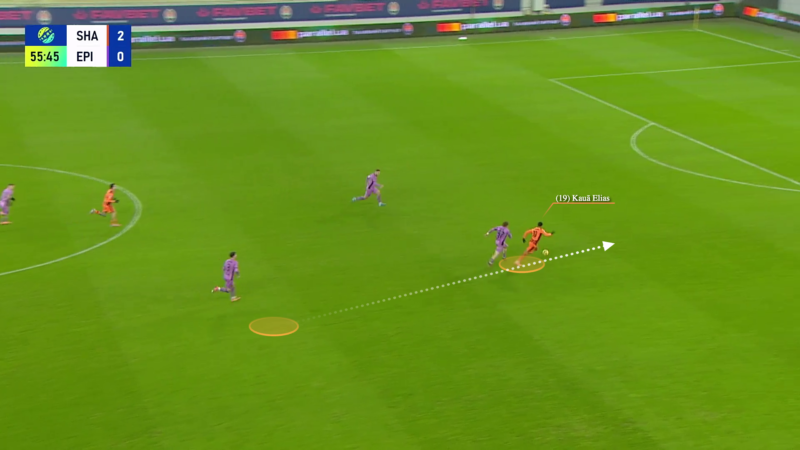
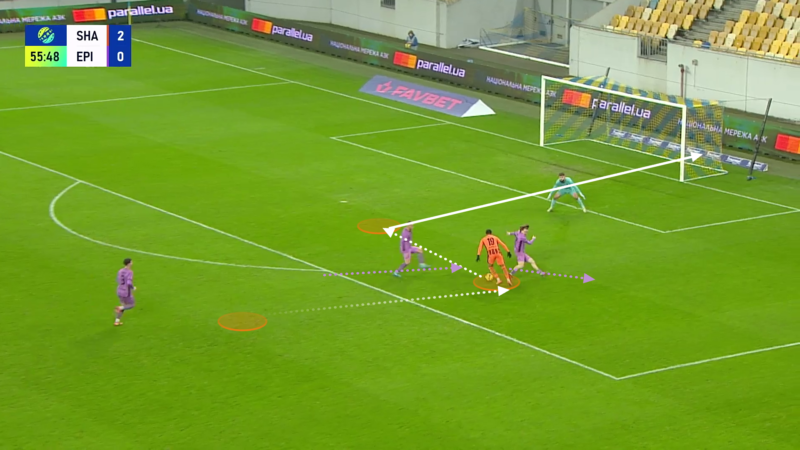
Central midfielder Marlon Gomes was also snapped up after starring for Brazil at youth level. Part of an exciting double pivot alongside Andrey Santos, now at Manchester United, for the Brazil U20s, Gomes is a box-to-box midfielder capable of breaking up play, circulating possession, and contributing in the final third.
It’s not only attacking talent that Shakhtar recruits from Brazil. They beat a whole host of clubs to the signature of Vinicius Tobias in 2021 before he’d played a first team game for Internacional. Now 22, his progression might not have been as rapid as initially expected but he remains one of the country’s brightest defensive hopes in an area of the pitch where they have struggled to produce since the retirements of Dani Alves and Maicon.
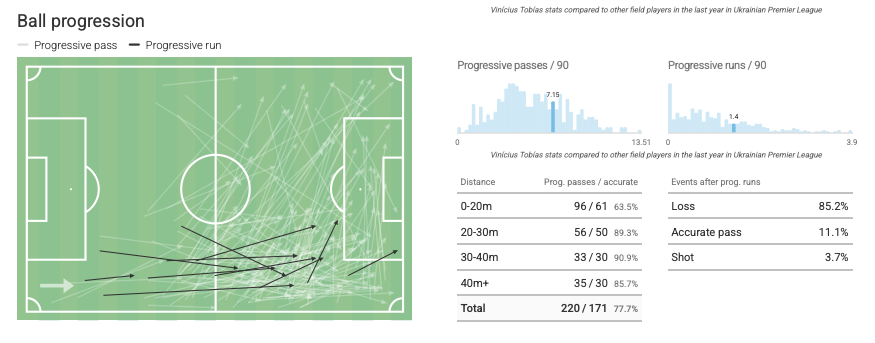
That penchant for Brazilians has spread throughout the league, making up 24.8% of the foreign players in the UPL. For example, Karpaty Lviv have former Brazil U20 international Jean Pedroso in defence and forward Fellipe Vieira, currently one of the top scorers in the division.
And it’s not just Brazilians on display, but a number of other nationalities. Spain makes up the second-highest contingent of foreign players on display, many of whom at Epitsentr Kamyanets-Podilskyi, with Nigeria in third.
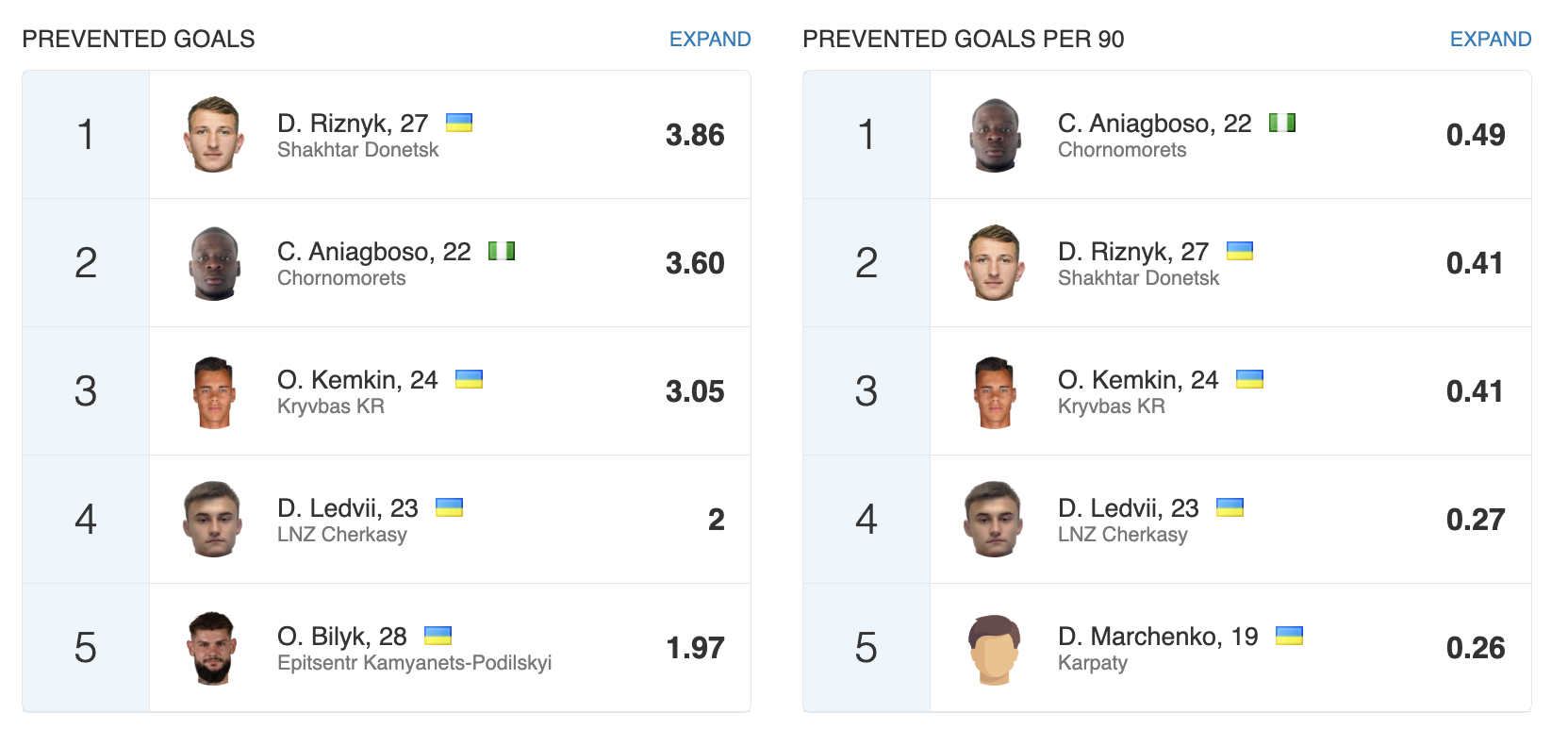
Despite the upheaval of recent years, the UPL continues to produce technically refined, tactically mature players at an impressive rate. For scouts and recruitment departments, the combination of a young, motivated player pool, realistic valuations, increasingly professional clubs, and world-class data and video coverage through Hudl Wyscout makes the Ukrainian Premier League one of the most compelling - and underutilised - markets in European football right now.
Discover the Ukrainian Premier League exclusively on the world’s biggest video football library, Hudl Wyscout.