How SUNY Cortland Left the Cash Box Behind
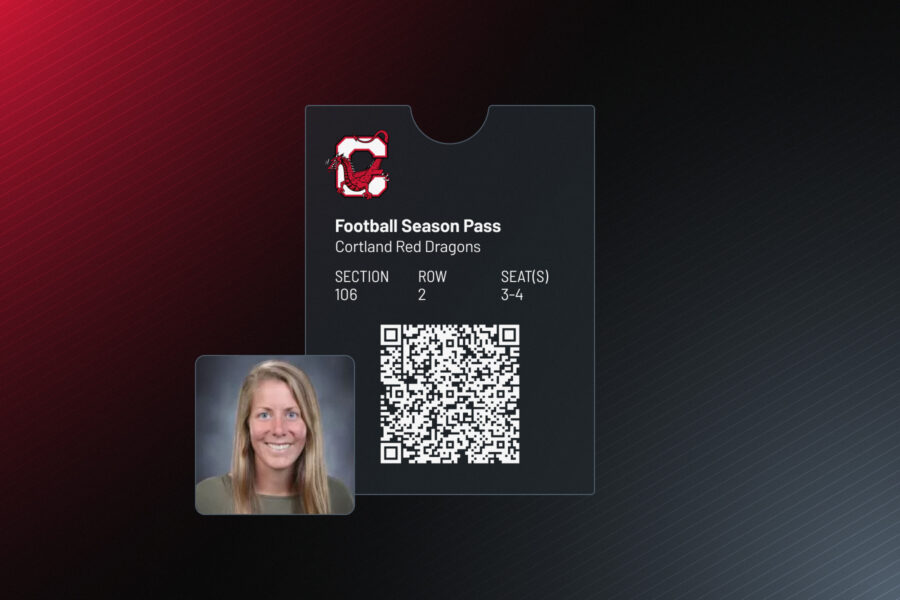
For years, game day at SUNY Cortland meant paper tickets and a late-night walk to the safe with the night’s cash. Then the department went with Hudl Ticketing.
For most of Jaclyn Lawrence’s career at SUNY Cortland, gameday started at the safe. She'd pull the start bank, count it, set up the ticket boxes and hand cash to a student she hoped would count it back correctly — then break the whole thing down afterward and carry the night's take back inside.
On a big football night, that could mean walking $9,000 in cash across campus in the dark. "If someone was paying attention, they could figure it out," she said. "You've got two students sitting at a table outside a soccer playoff game. You just don't know who's around."
The Old Way Wasn't Working
Two years ago, that ended. And Lawrence, who runs events, marketing and ticketing as SUNY Cortland’s Associate Director of Athletics, still can't quite get over it. "I can't even put into words how much better my life is not doing cash sales," she said. "Unless you've done it, you can't understand."
Cortland is a NCAA Division III school in central New York with a serious athletic background — a conference leader that hosts more than its share of playoff games, and one of the few programs in its league that plays football.
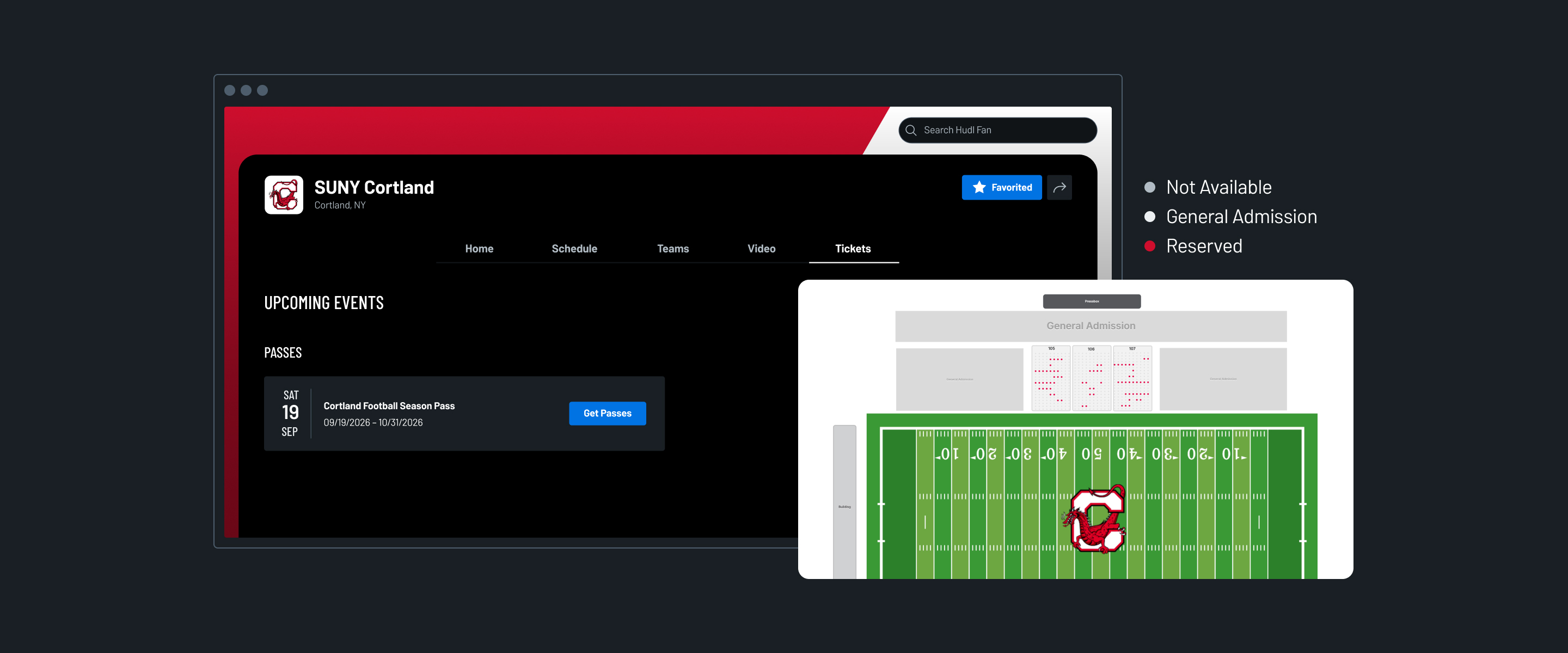
For years, though, its ticketing operation was, in Lawrence’s words, "old school." No vendor, no software. Just cash and paper. Every summer the department estimated its attendance and ordered paper tickets in bulk — $1,500 to $2,000 worth. Football season tickets, the only reserved seats they sold, had to be pulled and mailed to fans for every single game. "It was a lot," she said.
"I can't even put into words how much better my life is not doing cash sales. Unless you've done it, you can't understand."
A Last-Minute Decision That Stuck
Getting off that system wasn't a grand plan so much as good timing. As a SUNY school, Cortland runs on regulation; a committee spent the better part of two years on a formal RFP for a ticketing provider. The bids came back expensive and short on flexibility, and the school never signed with anyone. Then one June, an email landed from Hudl about a ticketing promotion. Jaclyn already knew the people there from years of using Hudl for livestreaming, and her VP's guidance was refreshingly simple: just try it.
"It fell into place last minute," she said, "but it went really well. It wasn't hard to set up. And obviously we're doing it again."
What won her over was how little there was to it.
Setting up a game takes a couple of minutes; from there she can share a link straight to a visiting team's coaches, who pass it along to their parents, or hand out a QR code and a printable poster Hudl generates for her.
"They've done a good job keeping up with the times," she said. She even laminates little sheets of the QR code so a staffer can hold one out at the gate for a quick scan instead of sending someone back to the sign.
The Benefits She Didn't See Coming
Then came the benefits she hadn't seen coming. Because tickets sell in advance, she can finally see who's actually showing up. For a playoff game, that's the difference between planning for 100 people and 400. For the department's big football weekend, it's watching 4,000 tickets sell and staffing the gates to match. "You can be better prepared, organize your gates and your scanners for the bigger crowds," she said, "and have less staff on for the smaller ones."
And unlike the vendors that bid in the RFP, Hudl doesn't charge her to use it. "Most places, you're paying to use a service. With Hudl it’s included," she said. On top of that, the paper-ticket expense that used to eat $2,000 a summer simply vanished, and a rebate on ticket sales comes back to the department on top. For a small budget, it’s a meaningful addition.
But the change Lawrence keeps coming back to is the one she feels in her shoulders. No more cash box. No start bank, no late-night walk to the safe, no students left exposed at an outdoor table with a night's worth of receipts.
"It relieves some real stressors," she said. "People are vulnerable when you're dealing with cash like that." To her relief, her fans made the jump easily. The department posted a heads-up on its website, the concession stands went cashless at the same time, and most people, it turned out, weren't carrying cash anyway. The occasional older fan still gets stuck, and her answer is the least corporate imaginable: "Sir, just come in. I'm not going to fight over five bucks. Walk on in."