The State of High School Baseball Recruiting


A guide to navigating the new recruiting ecosystem from Hudl and PRD Baseball.
Recruiting baseball players in 2026 looks nothing like it did a decade ago. The demands are higher than ever. Every college staff is stretched thin, and players are feeling the squeeze as early as ninth grade. Getting recruited to the college level has morphed into a fast, data-driven process—and it’s important to have a plan.
We sat down with Pat Geroni of PRD Baseball to better understand today’s recruiting landscape and how players can move forward with confidence and clarity.
Why High School Baseball Still Matters
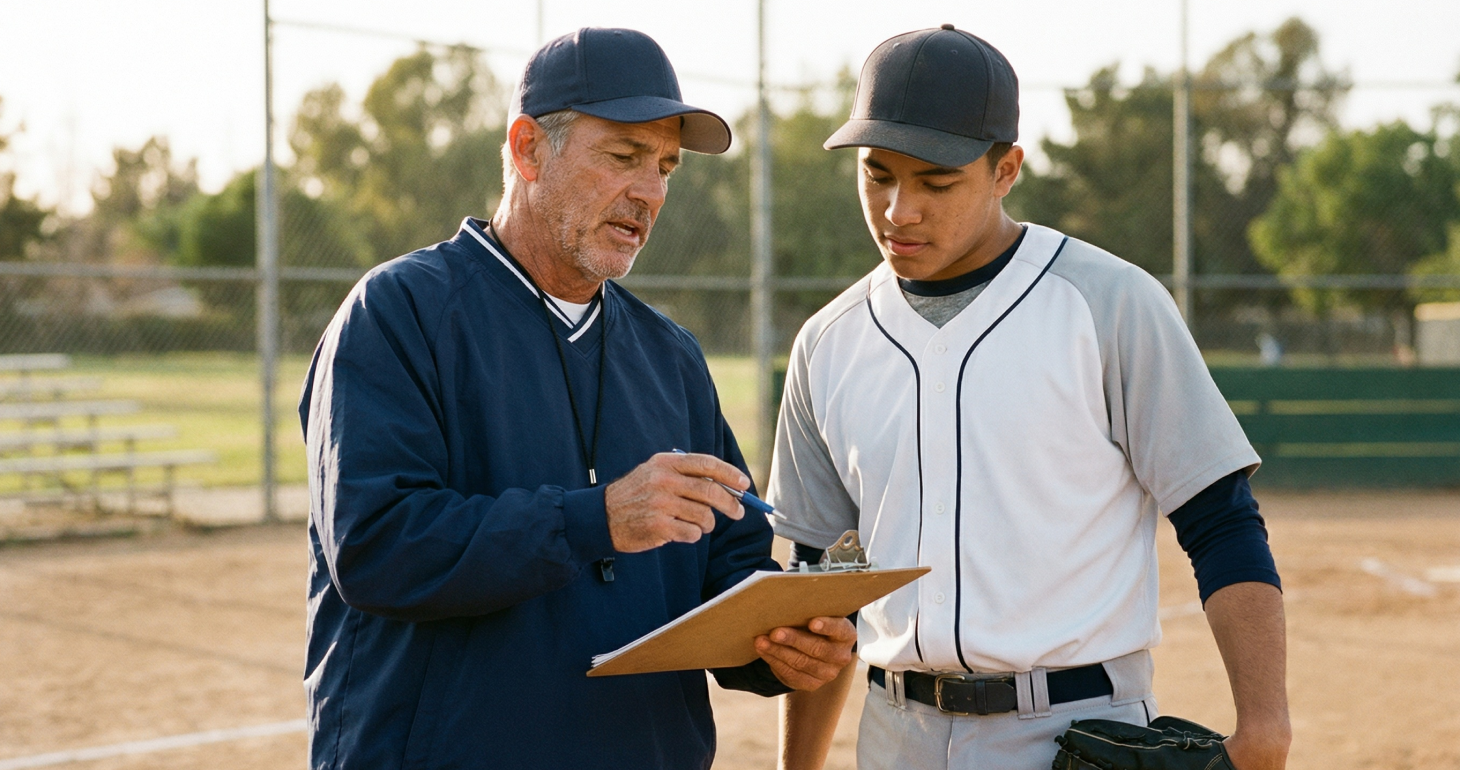
Despite the rise of club baseball, high school programs remain the lifeblood of the sport. High school coaches see players every day. They notice how players handle strikeouts, how they treat their teammates and how you respond in high-pressure situations.
“The high school coaches see the true character of players,” Geroni said. “It’s the most organic form of baseball on the amateur side.”
As a player, your high school will be your biggest advocate. Be sure to communicate your college goals with them. And remember, college programs will often call high school coaches first to see if a player’s work ethic matches their talent.
The Role of Club "Staging"
One of the most misunderstood parts of the college baseball recruiting journey is the role of a player’s club team. Club teams shouldn’t promise scholarships. Their job is to create a great environment for young athletes to showcase their abilities.
“What a club’s true mission should be is staging,” Geroni said. “We create platforms for the athlete to get exposure at the proper level that makes sense for them.”
Club baseball is about placing players against the right competition on the right stage at the right time, rather than just playing in front of as many people as possible.

How Great Film Can Open Doors
Video is a non-negotiable in modern recruiting, but it rarely gets players offers on its own. Film is something that should excite and intrigue recruiters. Think of it as a tool to get them to come see you in person.
“The video is the door that opens the potential for the live look,” Geroni said.
Here are a few tips for creating high-level video clips for college recruiters to view:
- Keep video clean. Clips should be short and without distracting music or effects.
- Use verified data. If you’re a pitcher without verified TrackMan data, you’re behind the curve. Integrating data with video removes the guesswork for coaches.
- Talk to your high school coach. Discuss your long-term goals and get an honest assessment of your current level.
- Search for schools. Use the college search tools in Hudl to see which programs match your academic and athletic interests.
The Baseball Recruiting Window
One of the sources of undue stress is holding onto the belief that if you aren’t committed by your sophomore year, you’ve failed. In reality, early recruiting only applies to a tiny fraction of players. The high school recruiting timeline looks different depending on grade. For a full breakdown of that timeline, check out our High School Age Baseball Recruiting Journey blog post.
One important reminder: There is a place to play in college for most above-average athletes. It might just not happen on the timeline that you expected.
Perhaps the most costly mistake you can make as someone who wants to play college baseball is letting your recruiting profile get stale. Be sure to keep your film updated to reflect the player you are today, not the player you were two years ago.
A Shared Mission
At Hudl and PRD Baseball, we’re focused on the same thing: helping athletes extend their careers by getting recruited to the next level. Recruiting doesn’t have to be overwhelming. Put your best foot forward, trust the process and use video as a tool to showcase your abilities.
To learn more about how Hudl can revolutionize your program, check out our baseball page.