3 Ways Football Athlete Tracking Maximizes Your Team's Success

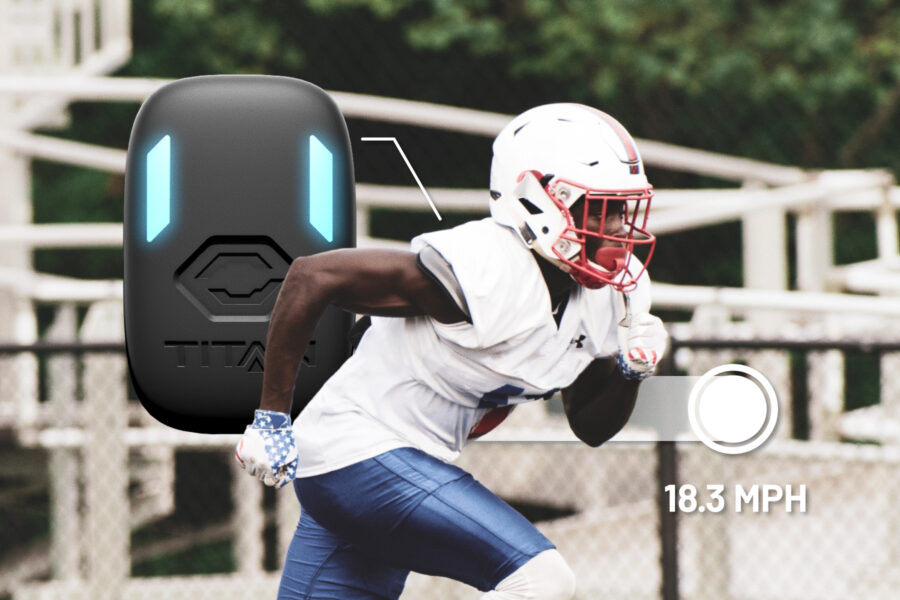
See how Titan helps teams train smarter, stay healthier and unlock peak performance with real-time athlete monitoring.
In today's high school football landscape, every detail matters. The difference between championship teams and everyone else often comes down to the smallest margins—margins that can only be identified and optimized through precise data analysis using advanced football tracker technology. From managing practice intensity to protecting player health and driving performance, context matters—and Titan gives you the context you need to get the most out of your team.
Modern football has evolved far beyond traditional coaching methods. While instinct and experience remain valuable, today's most successful programs combine that wisdom with cutting-edge football video analysis software and outdoor sports camera systems to gain competitive advantages. By turning raw movement data into real, actionable insights, Titan helps teams train smarter, recover better, and compete at their peak when games are on the line.
The impact of athlete monitoring extends beyond individual performance metrics. It transforms how coaching staffs approach practice planning, player development, and game preparation. Teams using comprehensive tracking systems and football camera technology report fewer injuries, more consistent performance levels, and improved player buy-in across their entire roster. This is particularly valuable for coaching youth football programs, where proper development and injury prevention are critical for long-term success.
Here are three ways athlete monitoring with Titan delivers real wins for your program:
- Practice smarter with data-driven load management
- Protect athletes with proactive injury prevention tools
- Motivate players with clear, measurable performance benchmarks
Let's break each one down and explore how implementing these strategies can transform your team's approach to training and competition.
Practice smarter with data-driven load management.
The days of running players into the ground during practice are over. Modern football coaching requires a sophisticated understanding of how training loads affect performance, recovery, and injury risk. Titan's live and post-session data make it easy to optimize training intensity throughout the week, ensuring your team is fresh and firing on all cylinders when game day arrives.
Traditional practice planning often relies on predetermined schedules that don't account for individual player needs or cumulative fatigue from previous sessions. This one-size-fits-all approach can leave some players undertrained while pushing others beyond their optimal performance threshold. Titan's real-time monitoring and football game analysis capabilities change this dynamic entirely, providing the detailed insights that coaching high school football requires for optimal player development.
Here are several key strategies for using Titan athlete trackers to manage your team's workload effectively:
Plan with purpose. Gone are the days of guessing whether yesterday's practice was too intense or if today's session should focus on recovery. Titan helps coaches balance hard days and recovery days based on real athlete workload data, not guesswork or gut feelings. This objective approach ensures that high-intensity training sessions are strategically placed when players can handle the load and benefit most from the stimulus.
Track cumulative load. Football players face physical demands from multiple sources—practice sessions, weight room work, conditioning drills, and individual skill development. Without proper monitoring, it's easy for athletes to accumulate excessive fatigue that compromises performance and increases injury risk. Titan ensures athletes aren't overtraining across all their activities, providing coaches with a comprehensive view of each player's total physical stress.
Optimize game-readiness. The ultimate goal of any practice schedule is to have players performing at their peak during competition. Titan's data helps maintain high performance levels while reducing the risk of fatigue-related performance dips that can cost games. By monitoring how different training loads affect individual players, coaches can fine-tune their approach to ensure everyone peaks at the right time.
Consider the difference between offensive line coaching needs and wide receiver development during a typical practice week. The offensive linemen might handle higher overall training loads due to their position's physical demands and contact requirements, while receivers need more focus on speed maintenance and route precision. Titan's individualized football tracker system allows coaches to optimize training for each position group and even individual players within those groups, ensuring that football players receive appropriate conditioning for their coverage responsibilities.
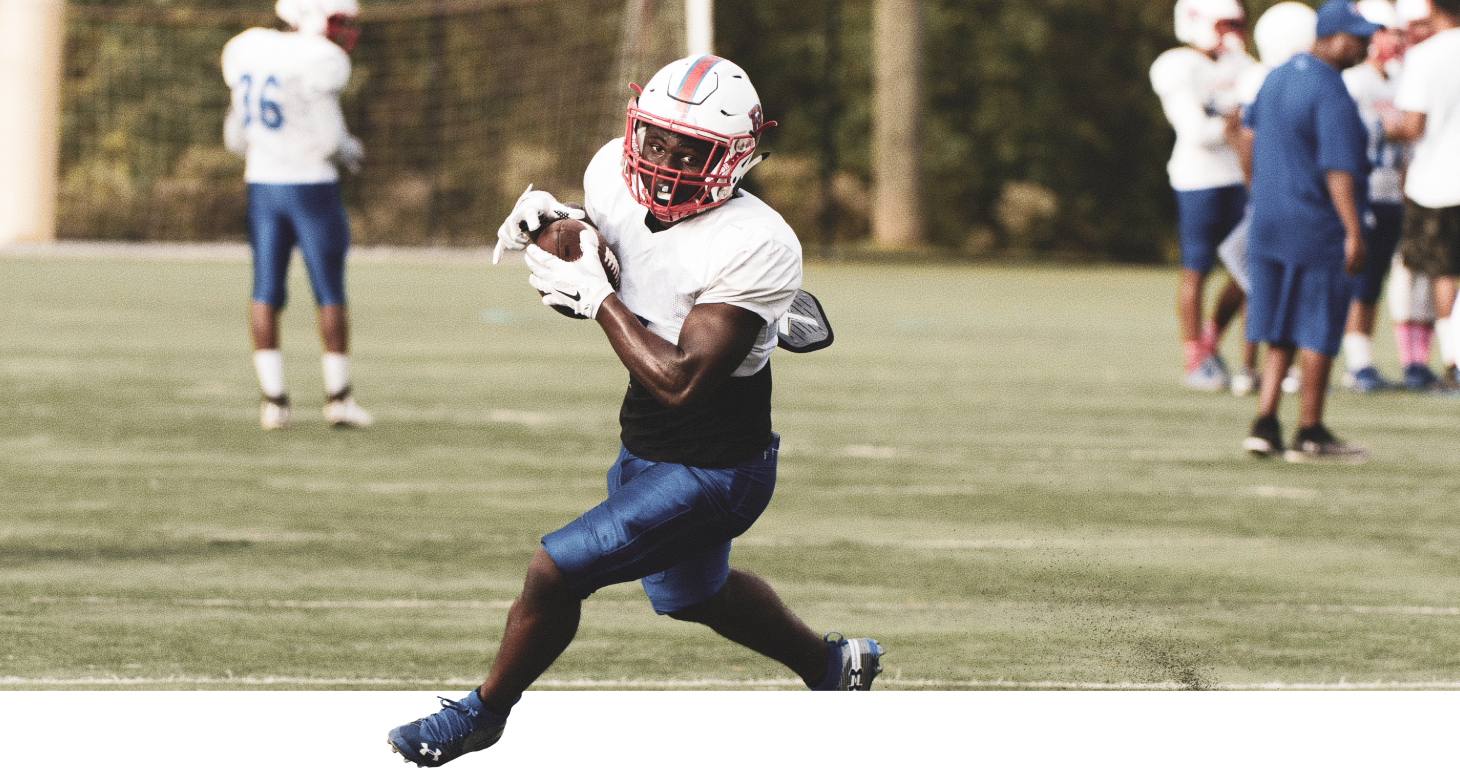
Protect athletes with proactive injury prevention tools.
Injury prevention in football has traditionally been reactive—addressing problems after they occur rather than preventing them in the first place. Titan's comprehensive monitoring system, combined with advanced football video analysis software and outdoor sports camera technology, shifts this approach to proactive prevention, giving coaches early warning signs of overuse and fatigue before they lead to time-loss injuries. This is especially crucial for coaching high school football, where developing proper movement patterns and preventing overuse injuries can impact players' long-term athletic development.
The financial and competitive costs of injuries in football are staggering. A single key player injury can derail an entire season, while multiple injuries can cripple a program's depth and development. Beyond the immediate impact on team performance, injuries affect player development, can impact a player’s abilities to earn scholarships, and can impact long-term program success.
Titan's injury prevention capabilities focus on several critical areas:
Spot red flags early. Sudden spikes in training load, changes in movement patterns, or declining performance metrics can all indicate that a player is approaching their breaking point. Titan's algorithms identify these warning signs before they become obvious to coaches or players, allowing for immediate intervention. For example, if a running back's sprint speeds drop consistently over several practices while their perceived exertion remains high, this could indicate developing fatigue that needs to be addressed through modified training or additional recovery.
Address position-specific demands. Different positions face dramatically different physical challenges during practices and games. Offensive line coaching requires focus on high-force, low-speed collisions and sustained blocking techniques, while youth football defense players face high-speed directional changes and coverage demands. Wide receivers might log more high-speed running but less physical contact. Titan's football tracker technology monitors these position-specific differences and helps coaches manage workloads appropriately for each group, ensuring that training adaptations match the demands players will face during competition.
Monitor recovery patterns. Understanding how quickly individual players recover from different types of training stress is crucial for optimizing practice schedules and preventing overuse injuries. Some athletes bounce back quickly from high-intensity sessions, while others need additional recovery time to maintain performance levels. Titan's longitudinal tracking helps coaches identify these individual patterns and adjust accordingly.
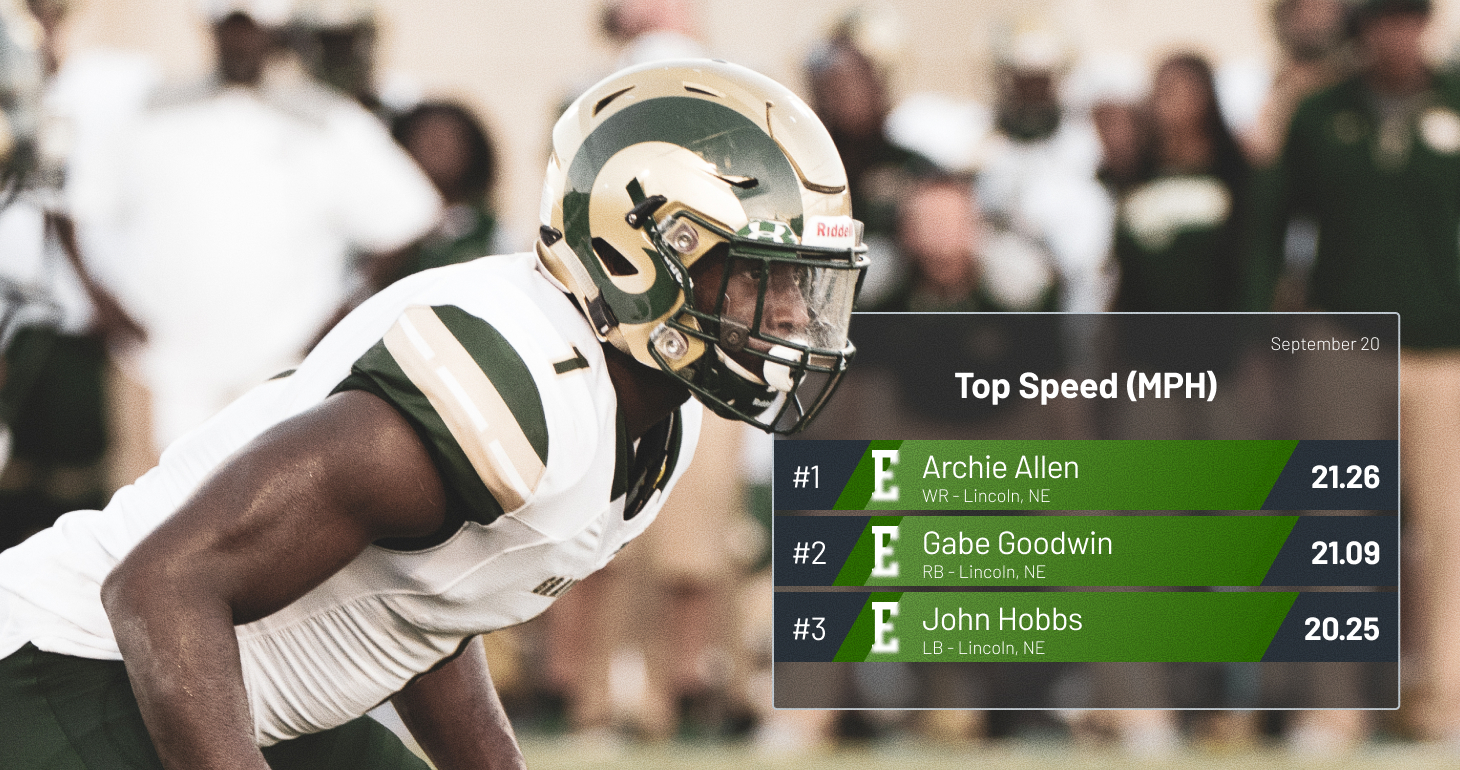
Motivate players with clear, measurable performance benchmarks.
Modern athletes thrive on feedback and measurable progress. Today's players have grown up in a data-rich environment where everything from video game statistics to social media metrics provides constant performance feedback. Titan's football tracker system harnesses this natural inclination by providing clear, measurable benchmarks that athletes can use to push themselves, compete with teammates, and track their development over time. This approach is particularly effective when coaching youth football, where visible progress markers help maintain engagement and motivation.
The motivational power of objective data cannot be overstated. When players can see concrete evidence of their improvement—whether it's increased sprint speeds, better acceleration, or improved work capacity—it builds confidence and encourages continued effort. This data-driven approach to motivation works particularly well with younger players who might struggle with more abstract concepts of improvement.
Turn workouts into competitions. Sprint count, top speed, distance covered, and acceleration metrics become points of pride and friendly competition among teammates. Position groups can compete against each other in relevant metrics, while individual players can set personal records and challenge themselves to improve. This gamification of training makes practice more engaging while driving real performance improvements.
Visualize improvement over time. Football video analysis software combined with outdoor sports camera footage allows players to see progress in hard metrics, building both buy-in and confidence among players. When a defensive end can see that his first-step quickness has improved by measurable amounts over the course of a training cycle, it validates his hard work and motivates continued effort. For offensive line coaching applications, players can track improvements in their stance, first step, and sustained blocking power. Visual progress tracking also helps players understand that improvement is a process that happens gradually rather than overnight.
Set meaningful goals. Weekly, monthly, and seasonal goals help guide individual development while keeping players focused on continuous improvement. These goals can be tailored to position-specific needs and individual player development plans, ensuring that every athlete has clear targets to work toward. Defensive players might focus on coverage speed and reaction time, while offensive line coaching can emphasize technique consistency and power development metrics captured through the football camera system.
The psychological benefits of measurable progress extend beyond individual motivation. When players see that the coaching staff is invested in their development and using sophisticated tools to optimize their training, it builds trust and buy-in for the entire program. Players are more likely to follow coaching instructions and embrace difficult training when they understand how it fits into their overall development plan.
Maximize your investment in player development.
Titan gives you the context you need to get the most out of your team. Athlete monitoring technology, including advanced football tracker systems, football video analysis software, and integrated outdoor sports camera solutions, represents one of the most cost-effective ways to improve team performance while protecting the players on your roster.
Use Titan wearables combined with comprehensive football game analysis to ensure that your team practices smarter, feels more motivated, and is better positioned to prevent preventable injuries.
The teams that embrace comprehensive athlete monitoring and football camera technology today will have significant advantages over those that continue to rely solely on traditional methods. In football's increasingly competitive landscape, the programs that leverage every available tool—from high school football analytics to advanced tracking systems—will be the ones celebrating championships.