Talent Doesn't Have a Postcode: The Story of Central Academy


A small town in Scotland is proving big-club setups don’t necessarily require a big-club budget — with real tangible success in player development.
Tucked into the small town of Grangemouth in Central Scotland, Central Football Academy is quietly proving a point that youth football has needed to hear for a long time: you don't necessarily need to leave your home town to find opportunities to develop as a player.
"Central Football Academy was formed on the belief that talent does not have a postcode," says Academy Founder and Head Coach Ian Dibdin. "We found in youth football that there is an emphasis on short-term gain, winning the game next Saturday or Sunday. We believed that was fundamentally wrong and looked at the long-term development of a player because we are part of the journey moving them to senior football."
That long-term view is baked into everything the club does - right down to its badge - which displays the club's ethos and mantra, “Imagine, Believe, Achieve.”
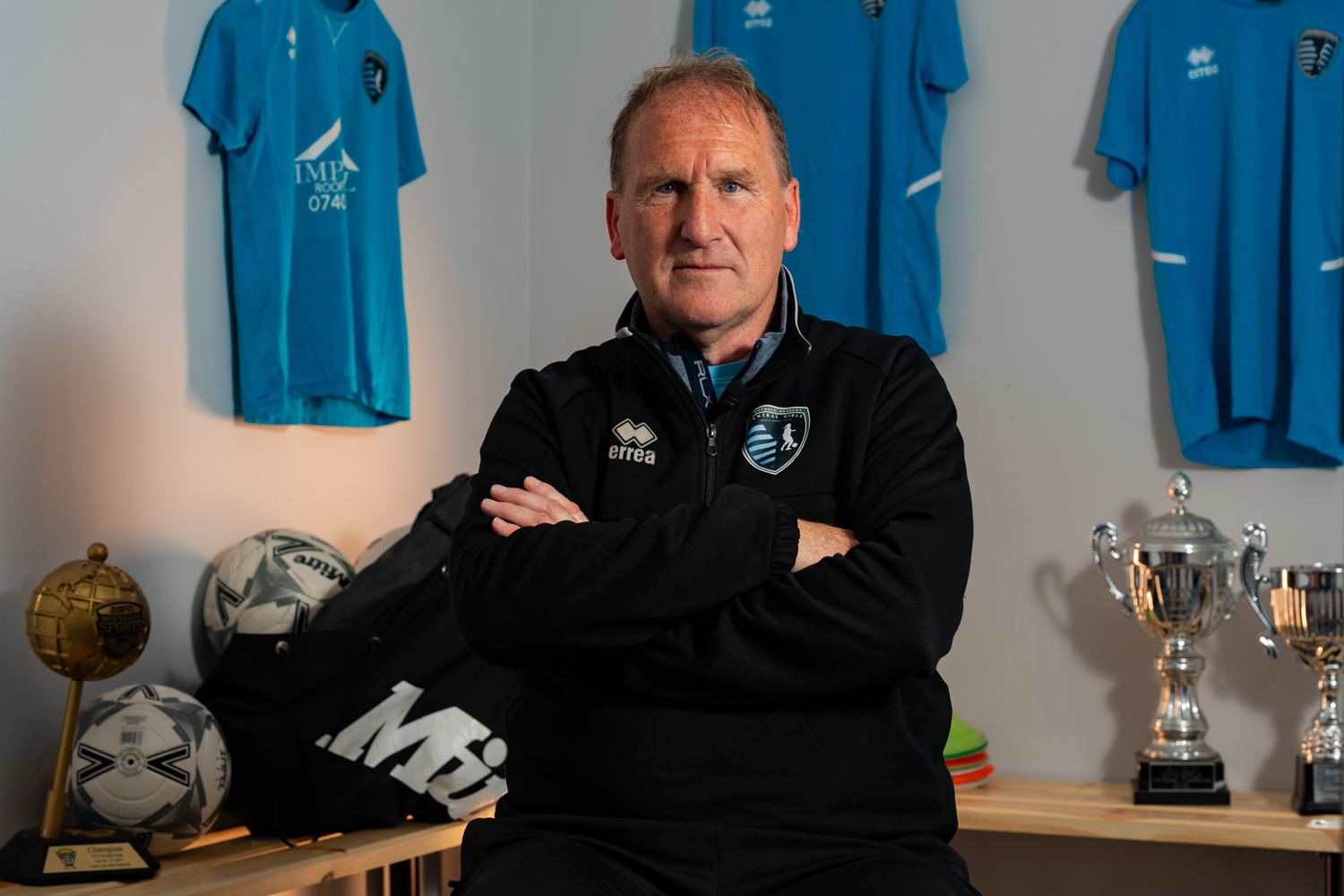
“Imagine, Believe, Achieve”
After being unsatisfied with collaborations with larger clubs and organisations, Dibdin and some of the local football community in Central Scotland established their own academy to give local players the chance to train and develop with experienced coaches, all within their home area.
"We built a programme and curriculum to develop players tactically, technically as well as personally," Dibdin explains. The imagine element of it was to imagine where this club would go, if we could harness the talent within the central region, train them at a high level, equal to what they would receive in a large club."
For families in the area, that means a real choice:
"It gave the players or the parents the choice of do we go for the big club or do we stay local. We wanted them to imagine that and say it was realistic to develop locally, it wasn't a dream, it was something that could be achieved here," the academy founder explained.
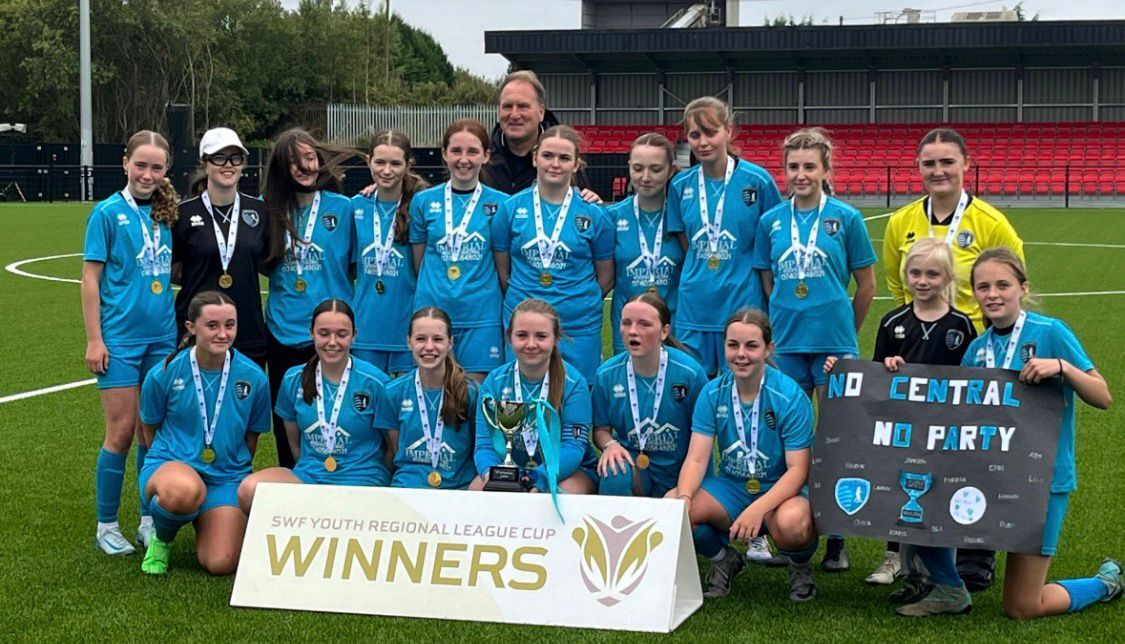
On the pitch, Central Girls have a brimming trophy cabinet, including both league championships domestically and cup wins abroad.
Amongst Central Girls’ most well-known graduates is Liverpool Women’s midfielder Sam Kerr, a Falkirk local and proof that elite talent can be nurtured in local football environments.
Bringing the Big-Club Toolkit to a Small Town
"For the younger age groups it's about fun, falling in love with the game,” said Dibdin. “By the time they get to under 14s, we're then starting to look at technology to give us the support."
It’s at this pivotal point of the player’s journey that Central brings in Hudl tools to professionalise development within the local setting.
"We bring in the Hudl system where we're producing the stats for them to review themselves," said Dibdin.
"Watching myself play back for the first time on video was really cool,” said Under-16 player Isla Roberts. “ When you're in the game you don't really think about what you're doing much, you think about the next play or whatever, and watching it back on video, you're really focusing on the details."
"Watching myself play back for the first time on video was really cool”
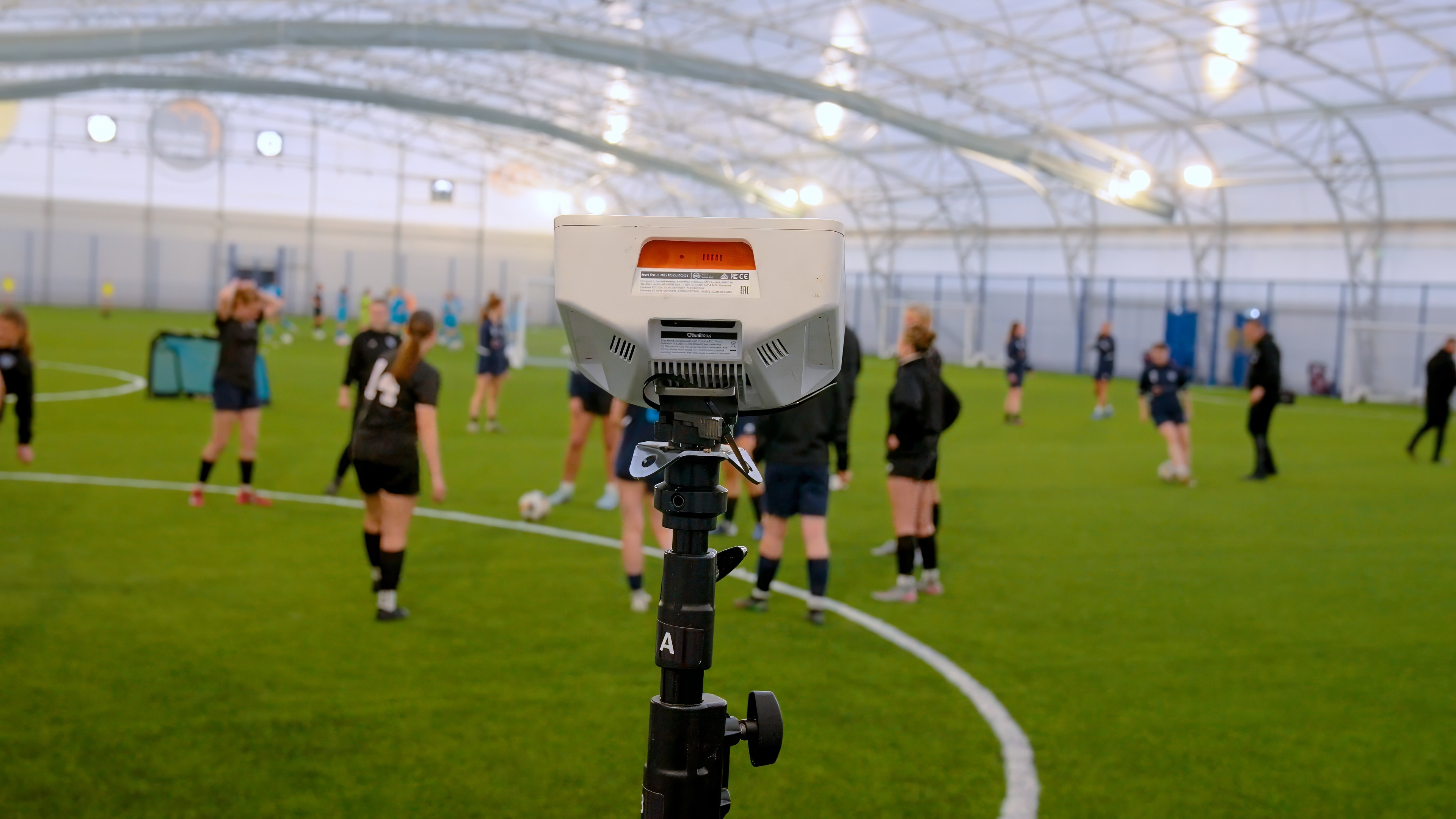
The logistics are simple by design — which matters for a grassroots club without a full-time analysis department. "We use the Hudl football camera for all matches across our many different age groups. We place it on the tripod and literally press the button. It calibrates and we forget about it,” explained Didbin.
This time-saving benefit of video capture is crucial for small organizations with limited staff and time. From capture to analysis, at Central, their process runs like clockwork.
"Once the game's completed the game is downloaded and then it's sent off to analysis through Hudl Assist,” said Dibdin. “They return our stats to us within 24 hours maximum and from there we generate individual match reports, which is crucial, and it's a third point. So from the footage to the stats to the reports we triangulate that, and that is a focus for the coaches and the players for future development."

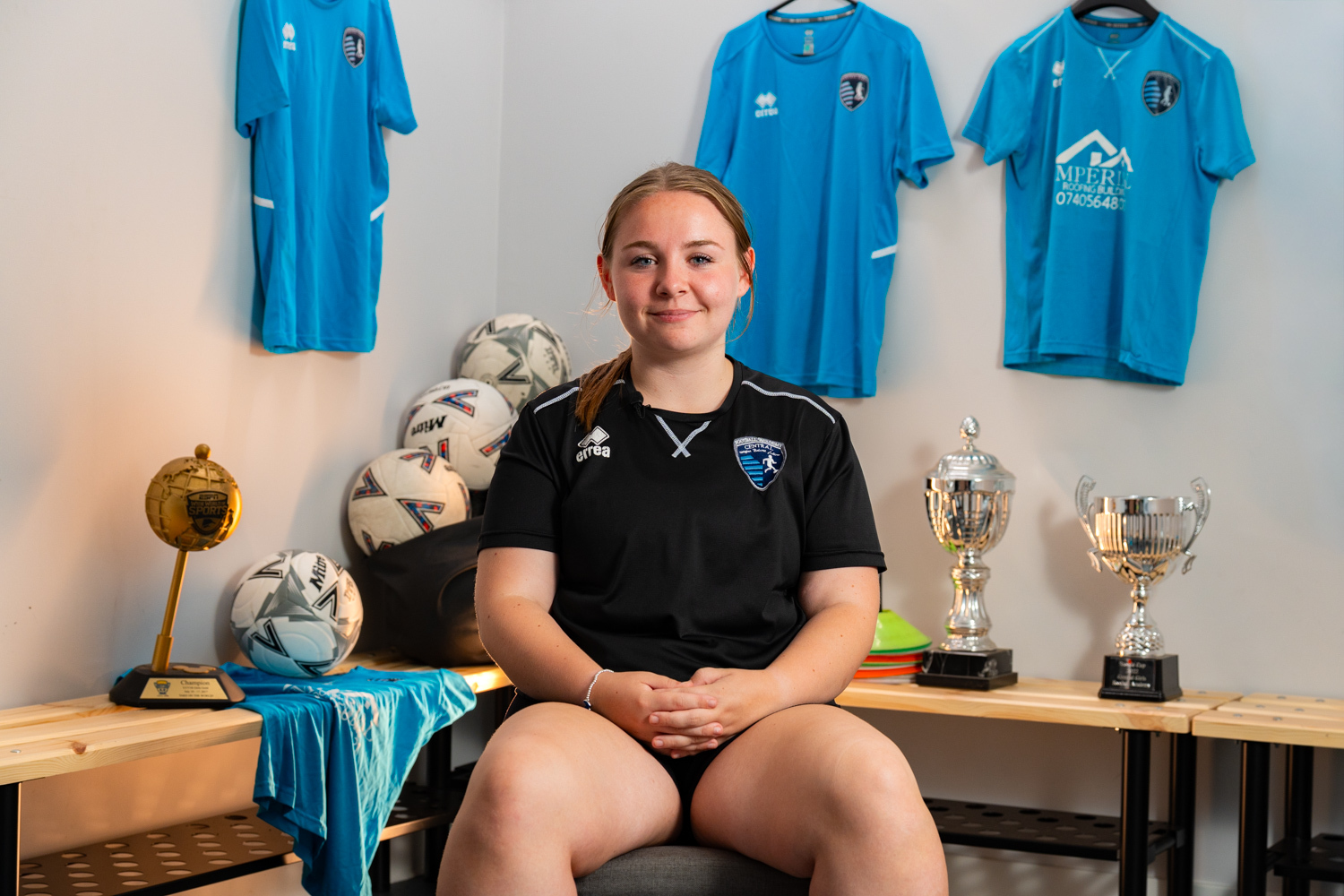
‘’At my university in America we use the exact same Hudl tools that we use here at Central”