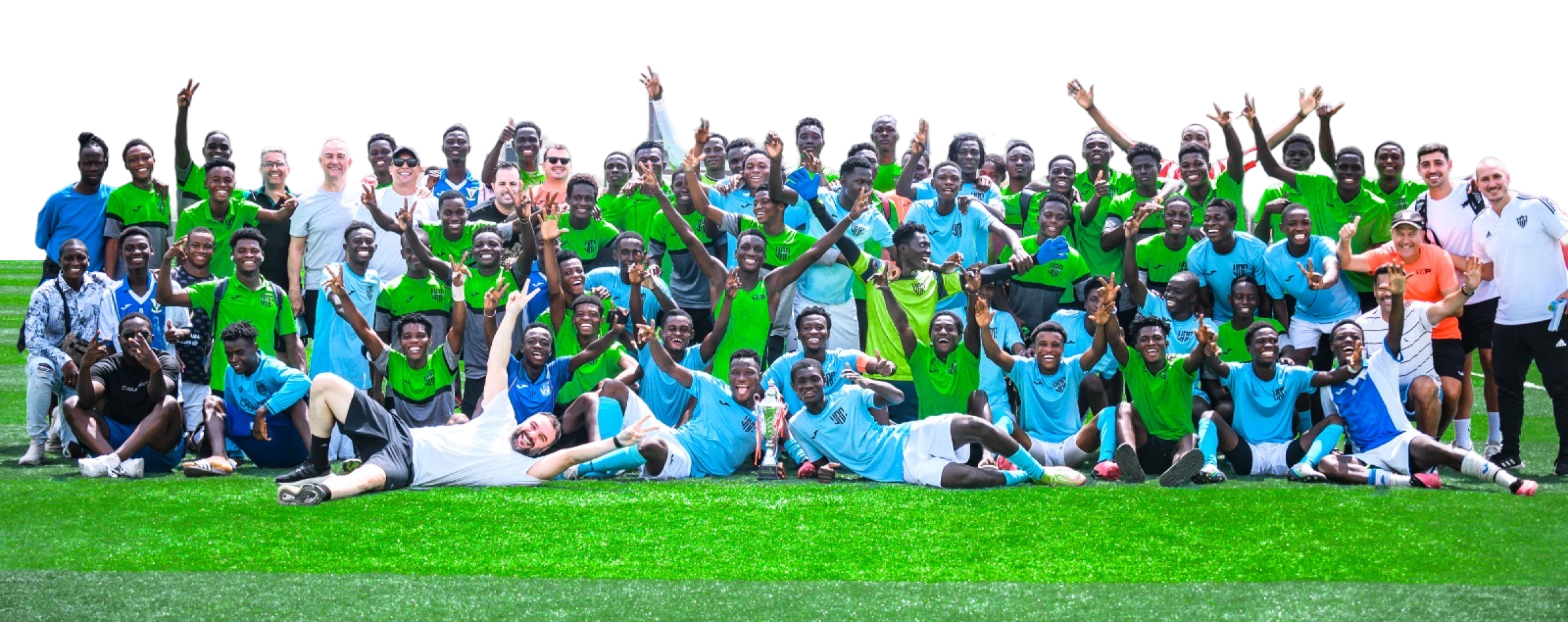
Young African Promises: The Story Still Being Written

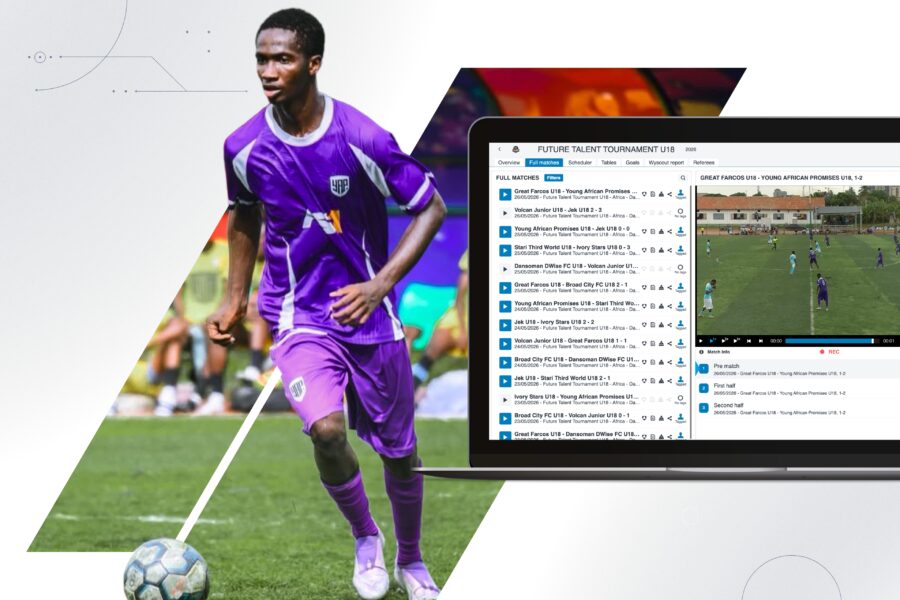
Ahead of the next edition of the Future Talent Tournament — available exclusively on Wyscout — we tell the story of Young African Promises through the lens of three recent graduates.
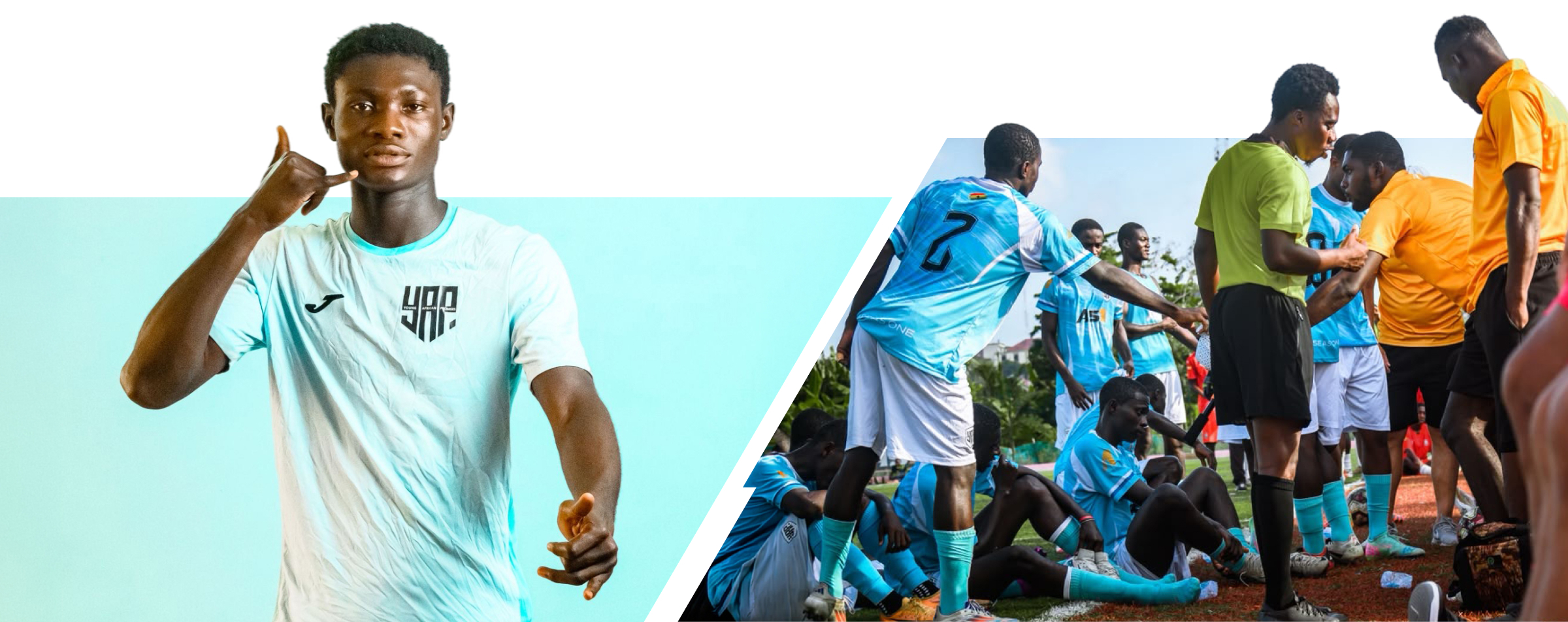
Different roads, one methodology
Young African Promises (YAP) was set up in 2021 by a group of Spanish coaches and scouts, and now draws players from eight countries into two centres, one in Accra in Ghana and one in Ziguinchor in Senegal. Its aim is deliberate: take players who are already good and give them the structure to turn that into a professional career.
YAP’s Sporting Director Joaquín Marcos del Campo, who has lived and worked in West Africa for nine years and scouted the region for Spanish side Alavés before that, describes the problem the academy exists to solve.
"The main challenge is not finding talent," he explains, "but identifying it at an early age, providing the right training and creating a clear and responsible pathway towards professional football. There are many players capable of reaching the highest level, but they need structure, patience and the right opportunities."
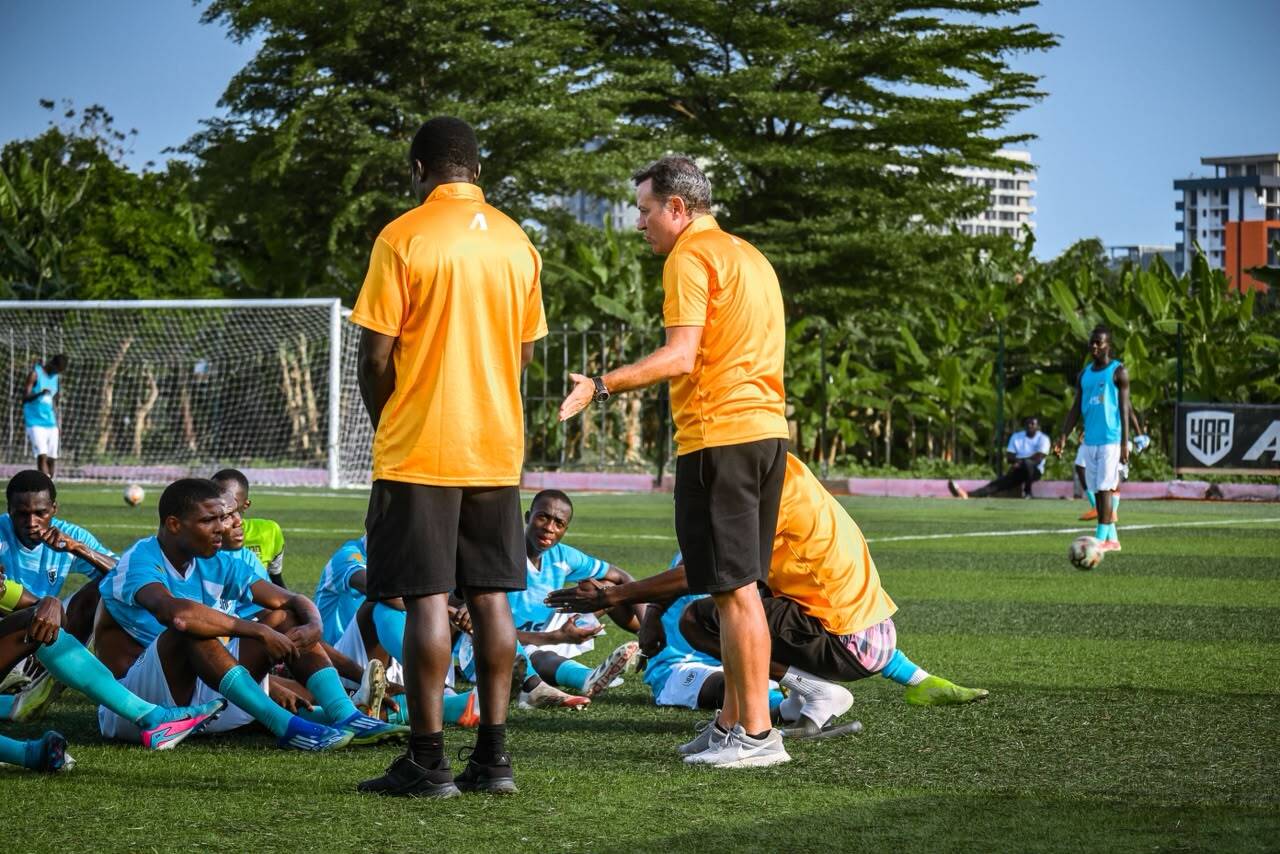
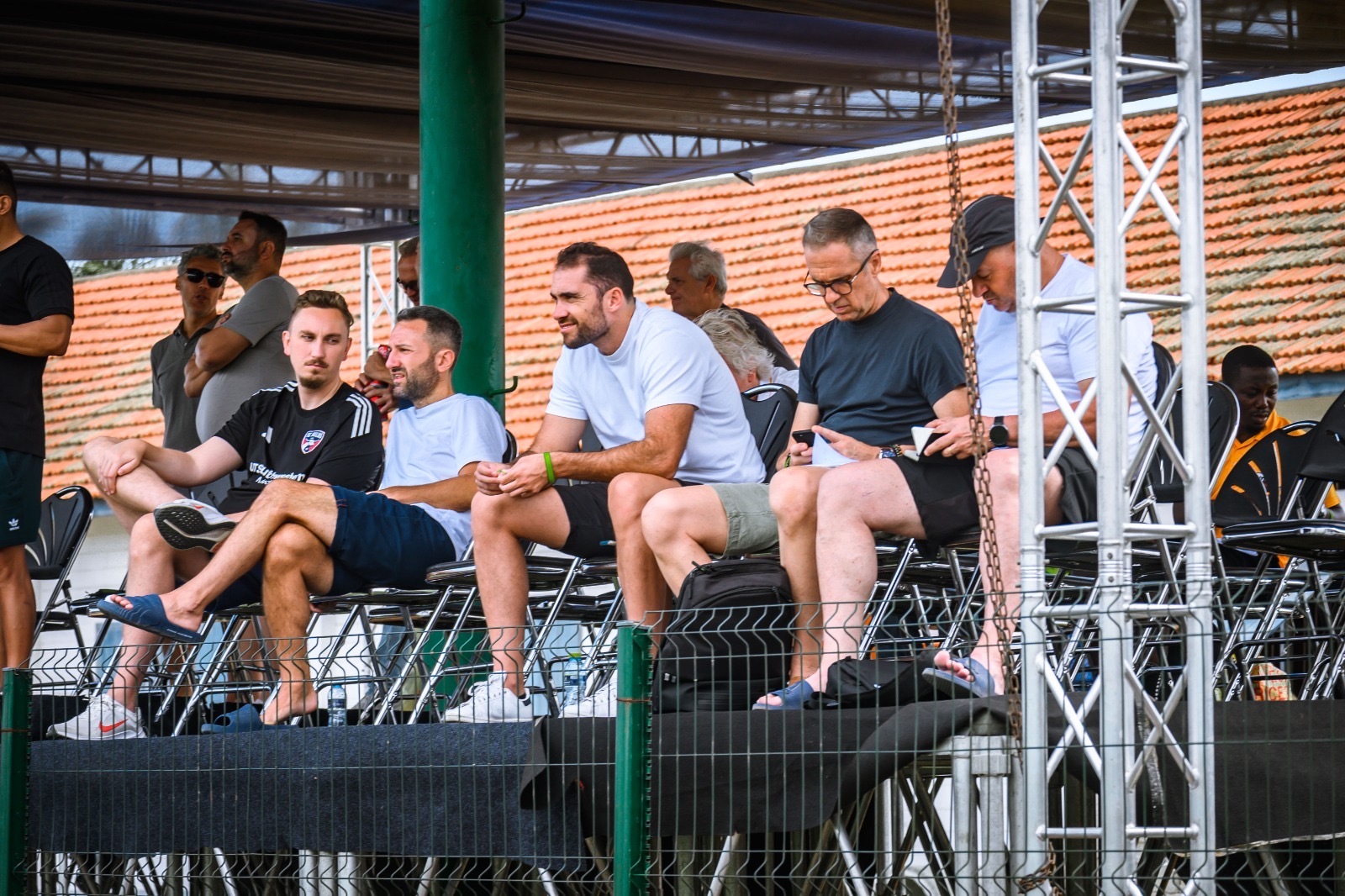
The network doing the identifying is smaller than you might expect. Five scouts across Ghana, two in Senegal, one in Guinea-Bissau, one in the Gambia. Sergio Álvarez Burón, the academy's resident Spanish coach, describes the raw material as inexhaustible.
"You can see wherever you go, people playing football in the streets," he says. "But you have to work with that talent, invest in it, and be patient."
Rockson Yeboah came from inside the Ghanaian game, on the books of Bec-Tero and then Techiman United before he reached Accra. Three players, from three different countries, each of whom had to leave home to get there. One tried and tested method.
What they brought, and what had to be taught
Ask the two coaches about first impressions and a common theme emerges. Each player turned up with an innate talent that nobody teaches, and each one left having been shaped by YAP’s core values and training framework.
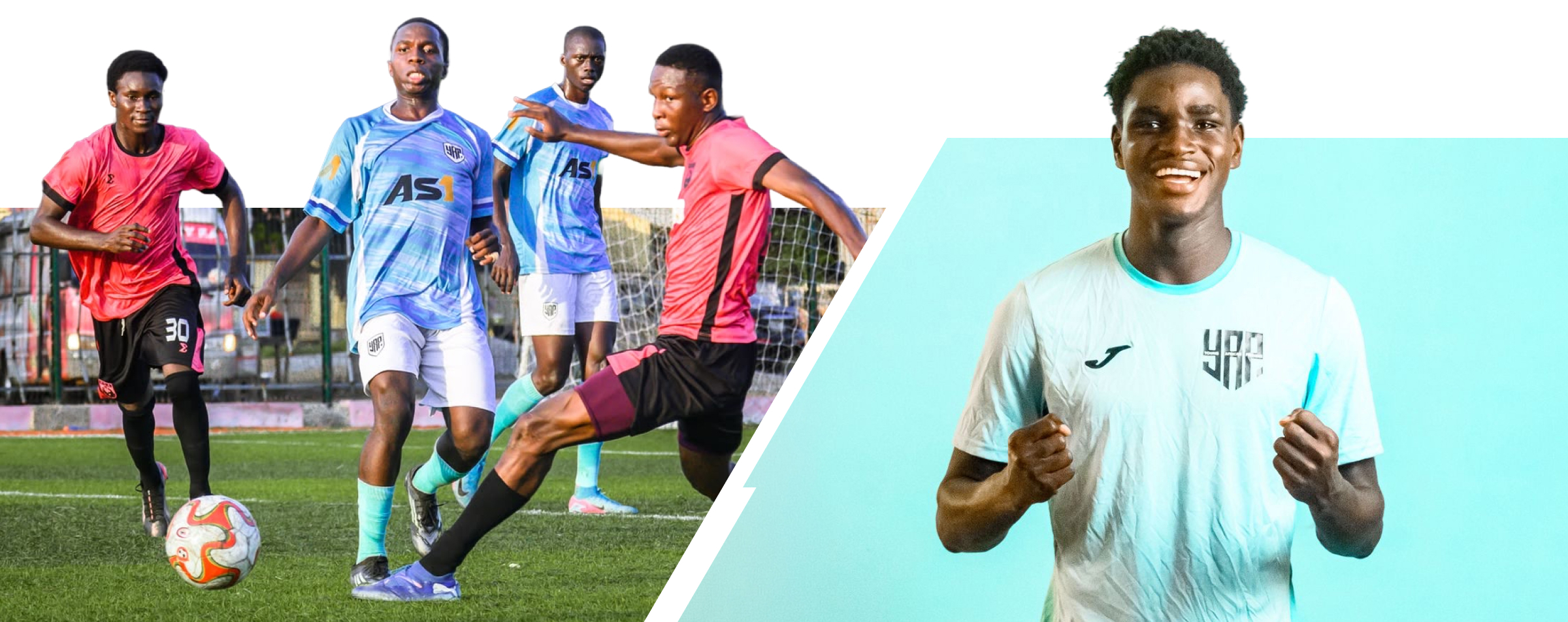
With Yeboah, it was his presence. "When Rockson played for the first time, his physicality and authority stood out,” says Joaquín. “He was tall, powerful and very strong in aerial duels, but he also possessed great speed and excellent mobility for a player of his size. What impressed me most was his competitiveness, concentration and desire to defend.”
He was absolutely amazing. He won all the challenges. He is a general at the back. For us he is a future Premier League player.
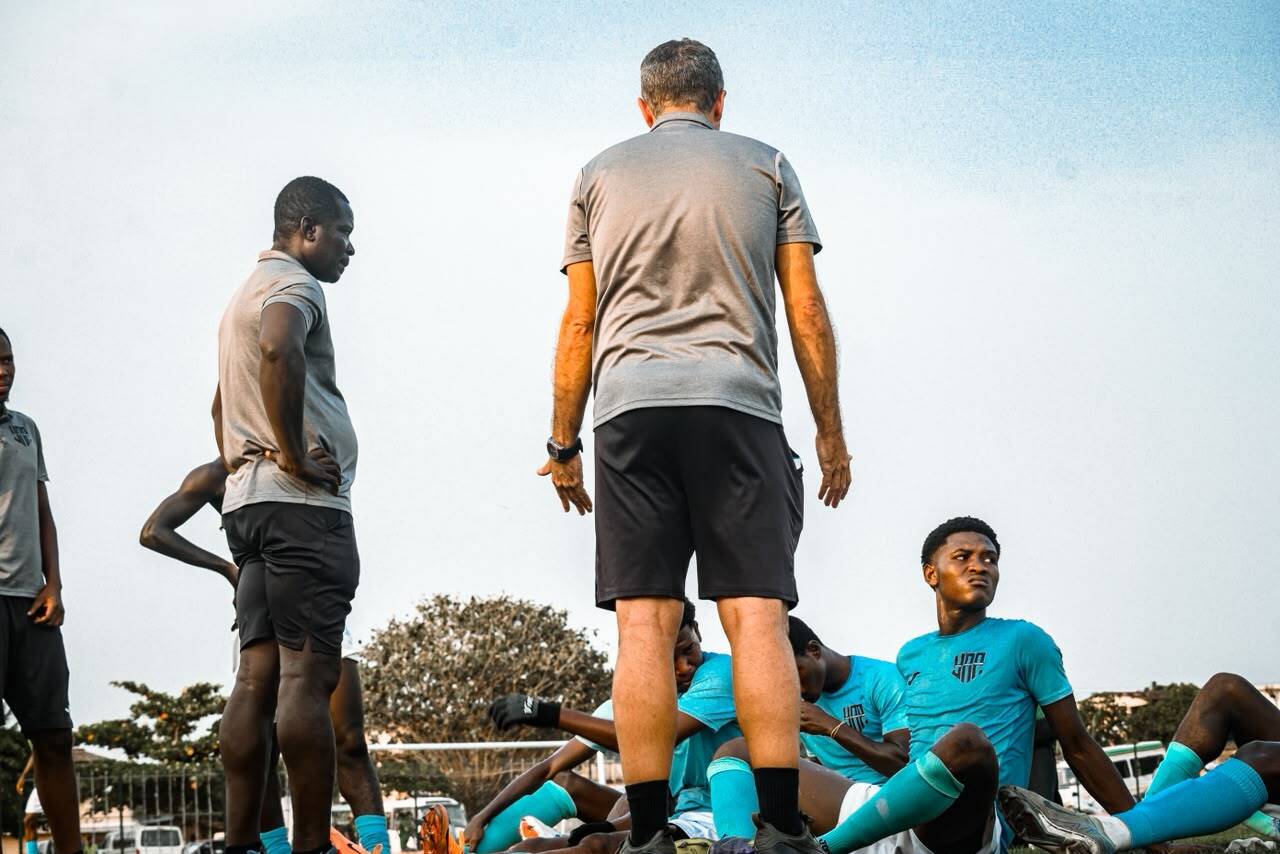
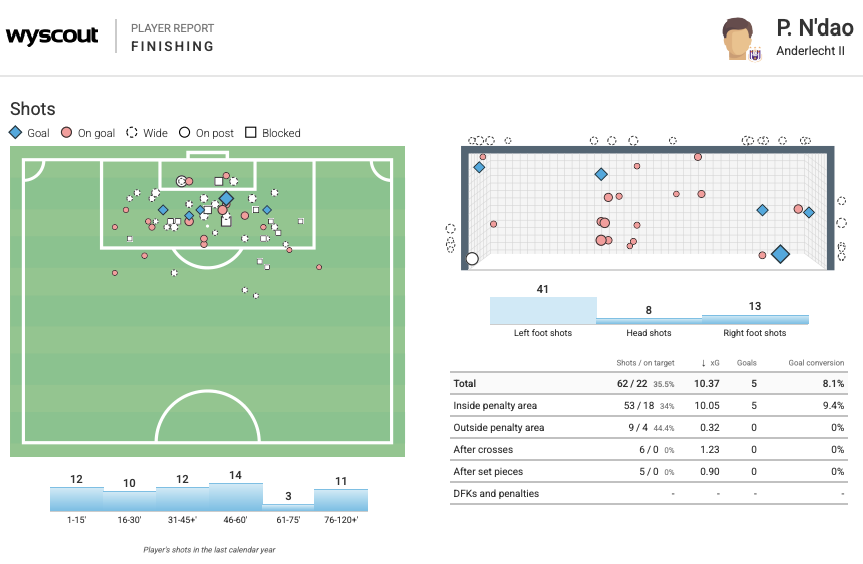
Each player’s natural gifts truly shone with the polish and refinement YAP’s coaches brought to the table. N’Goran learned when to step out of the defensive line and when to hold it, becoming more disciplined and more consistent. Yeboah learned to organise the players around him, to defend the space behind his back line, and to carry the ball out under pressure rather than simply clear it. N’dao spent three years honing the gift he already had, adding tactical understanding and off-the-ball movements.
Future Talent Tournament: the showcase event
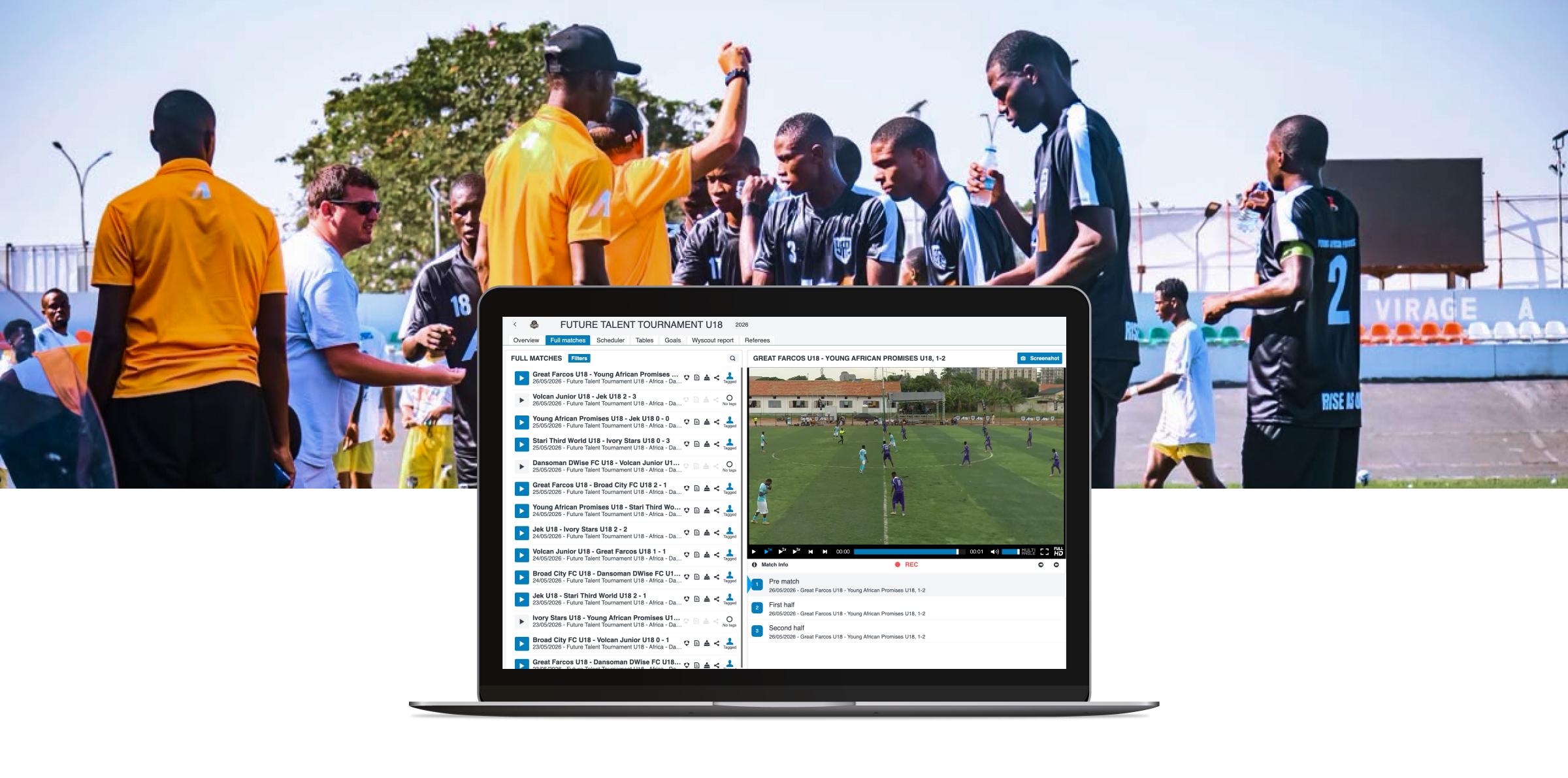
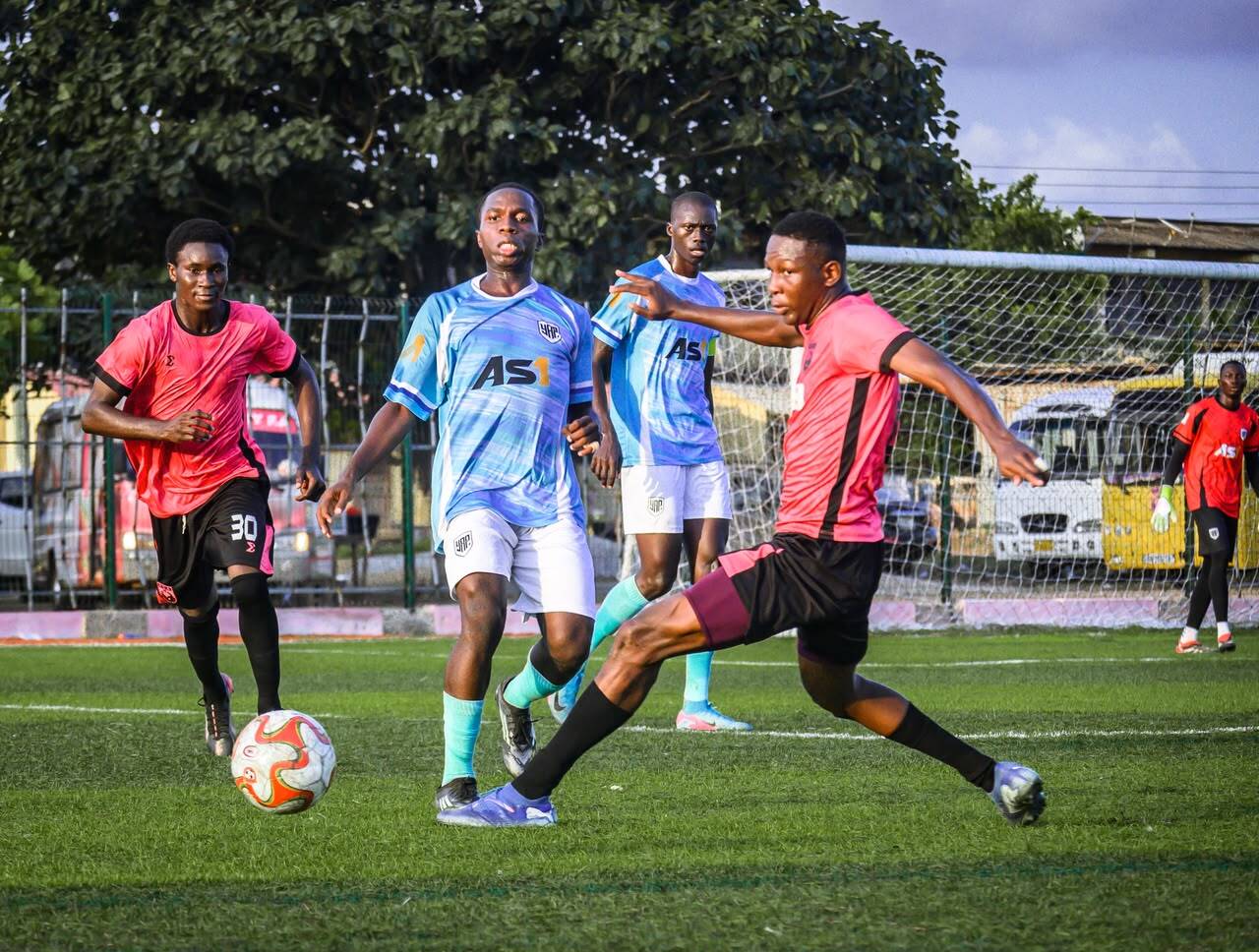
Twice a year, YAP stages the Future Talent Tournament, a competition for players aged between fourteen and eighteen that brings together academies from across West Africa. Recent editions have drawn scouts from Europe and South America. The next edition runs in late October.
For those unable to travel, all games are included exclusively as part of the Wyscout Youth Pack. This gives YAP youngsters true global visibility, significantly bolstering their chances of being identified and recruited by clubs from abroad.

"I felt a real satisfaction at joining my first club in Europe, but at the same time I was aware that I'd have a lot of challenges to overcome," he describes. "At the start it wasn't easy at all because of the adaptation, but now I feel comfortable and I'm finding my feet again."
Yeboah has taken a less direct path, first moving to Greece on loan with AEK Athens, before then moving permanently to Sweden with IFK Göteborg in August 2024. After two seasons in the Allsvenskan, Spanish La Liga side Osasuna paid €3m for him and signed him until 2031, with a release clause of €30m.
"Our objective is not simply to secure a transfer," says Joaquín. "We also try to find the right club and the right development pathway for each individual player." This player-centric approach is highlighted by the fact, for its first three years, the academy sent every player out without a fee, taking percentages of future sales instead in order to get them placed at all.
The wider list of destinations bears him out and looks nothing like the one you would predict. Alongside clubs in Spain, Italy and Sweden, YAP boast a number of successful exports to Brazil - a rarely trodden route - plus teams in more far flung destinations like Estonia and the United Arab Emirates.
Judged on readiness
Joaquín is careful about how he measures success.
"At Young African Promises, we do not want to be judged solely by the number of players we manage to transfer," he says. "We want to be judged by how well prepared those footballers are when they take the next step in their lives and careers. Emmanuel, Pape and Rockson have followed unique paths, but all three demonstrate what can happen when natural talent is combined with daily work, discipline and the right platform."
In Accra, forty players are preparing for October’s tournament, for the same set of eyes that found these three. When asked what our YAP graduates would say to any budding young professionals, they answered in more or less the same register.
"Achieving your dreams is not easy," N’Goran says. "The road is full of obstacles, and to overcome those you have to make many sacrifices. My advice is simple: always think about what you want to become and keep working towards it."
N’dao's version is shorter. "Be patient, respect the training and the coach's instructions, and believe in the project."
Asked what he wants from the rest of his career, he answers like someone who has been readied for it.
"To reach the highest level, to keep improving and win trophies. To write my own story in football."