The New Era of Smarter, Faster, More Connected Teams: The Future of Hockey on Hudl
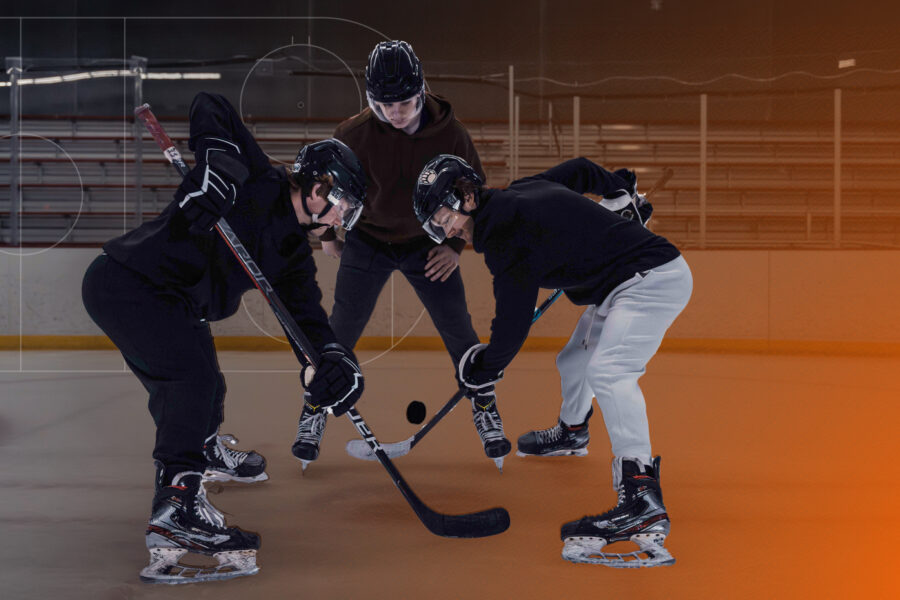
Discover how Hudl is redefining hockey’s future through efficiency, data, community, and technology — fueling a smarter, faster, more connected game.
Hockey’s changing—fast. The pace of the game is only matched by the pace of innovation behind it. Coaches, analysts, and players are reimagining how they prepare, compete, and grow. At the center of that shift is a simple truth: the teams that work smarter are the ones finding the edge.
That’s where Hudl comes in. Across rinks and locker rooms, a new generation of hockey minds is building their advantage around four ideas driving the sport forward.
- Efficiency is the new edge. Every second counts, and the best programs are finding ways to save them—streamlining film, automating the grind, and freeing coaches to focus on coaching.
- Data is differentiation. The days of gut feel alone are gone. From in-game tagging to deep-dive dashboards, teams are using data to validate decisions and uncover what wins really look like.
- Career pathways and community are reshaping how people grow in the game. Analysts are helping analysts. Coaches are learning from peers. The network is the classroom.
Above all, technology is becoming culture. Hudl’s connected ecosystem—from Hudl Focus cameras to advanced analysis tools like Sportscode, Instat and FastModel—isn’t just powering workflows, it's defining how modern hockey operates. The organizations that embrace it aren’t just adapting—they’re leading.
We recently held a workshop with some of our most experienced and innovative users, and we gathered some interesting insight from some of the games leading teams– to share in those ideas, and to help craft the future they’re building with us.
Building the Operating System for Hockey
Hockey’s technology transformation is here – and Hudl is leading the way. As the “operating system of global sport” we’re bringing every team, from youth programs to pros, onto a single, connected platform. A shared ecosystem means development programs, junior teams, and pros can all speak the same data language—creating a true pipeline.
By centralizing every layer of video and data, coaches, analysts and players can work smarter and faster– with tools that save time, automate routine tasks and bring every workflow into one place.
For hockey, that means less time sorting through clips and more time coaching. As technology like AI, human performance tools like WIMU and Titan, and live tagging become standard, teams will be able to break down every shift in real time, sync data from practice to game film, and build connected player profiles across levels.
Hudl COO Matt Mueller lays out a bold vision for the future of hockey—and Hudl’s role in shaping it. As he puts it, “you can’t win today’s game, tomorrow.” Here’s the full presentation.
Turning Ambition into a Career Path
For Washington Capitals video coach Emily Engel-Natzke, growth in hockey isn’t about waiting for opportunity—it’s about preparing for it. Her journey from college programs to the AHL and eventually the NHL is proof that curiosity and consistency can open every door.
Her rise from college to the AHL to the NHL was built on being a sponge: “Listen, ask, watch.” That mindset sharpened her hockey IQ, especially as she began using Sportscode and analytics to understand systems, track zone entries, and identify player tendencies that drive success.
But skill alone isn’t enough. Building credibility and finding mentors have been just as vital. “Tell your coaches your goals—so they can push you to reach them,” she says. That transparency built trust, and that trust created opportunity.
The best analysts and video coaches are those who blend skill with authenticity, building credibility through collaboration. In a sport built on tight-knit locker rooms, networking works the same way—relationships matter when they’re real.
Sportscode Connect: Collaboration, Simplified
For years, analysts have been piecing together their workflows with hard drives, Airdrops, and late-night file transfers.“You’ve been duct-taping workflows for too long,” says Prad Patel, Senior Product Manager for Hudl Sportscode. His team is changing that with Hudl Sportscode Connect—a cloud-based update that brings real-time collaboration to video analysis.
This means no more waiting for film to export or clips to sync before the next morning’s video session. Staff can review power-play entries or breakouts together in real time, whether they’re in the rink or on the road. Integrated search across a team’s competition database and Hudl Library lets coaches instantly find that one neutral-zone turnover or backcheck sequence—without sifting through hours of film. The result: faster breakdowns, better teaching, and a clearer competitive edge.
Patel frames these changes not as a simple feature update, but as a competitive edge. “We’re building for how you actually work.” Because the teams that collaborate most efficiently are the ones best prepared to win.
AI and Integration: The New Standard for Hockey Workflows
As teams look to modernize their prep, Fastmodel is turning scattered hockey workflows into one connected, data-driven system. The tools behind FastScout, FastDraw, and ProspectView—long used in the NBA—are now reshaping how hockey programs plan and communicate.
Coaches can create pre-scouts, practice plans, and player development reports in minutes instead of hours. “What used to take 60 minutes now takes 60 seconds,” says Andrew Brewer of the Anaheim Ducks.
Reports are shared directly to players’ phones, complete with video, and tracking shows who’s watched and what they’ve learned. Soon, AI will automatically generate summaries from tagged video or stat data—saving time while sharpening the message.
Mobile delivery ensures that content reaches players instantly, with tracking to see who has engaged with each report or plan. And AI is only just beginning to expand what’s possible, automating write-ups and data tasks to free coaches and analysts to focus on what really matters: preparation, performance, and player growth.
“We burn through more paper and ink than humanly possible—Fastmodel ends that,” Brewer adds. The message is clear: hockey workflows are evolving. “It’s time to treat hockey workflows like the NBA’s—modern, mobile, and integrated.”
From the COO’s vision to the analyst’s journey, Hudl is shaping a new era of hockey—one where efficiency, data, community and technology intersect. We’re focused on becoming the operating system of global sport, centralizing video and data so coaches can do what they do best– coach their teams and develop talent.
Across every level of the game, the story is clear– teams that embrace these tools and ideas aren’t just keeping up—they’re setting the pace. Efficiency is no longer optional; data drives decisions, community shapes careers, and technology defines culture.
The future of hockey is faster, smarter, and more connected than ever—and Hudl is building the platform to get there.