Inside Hudl Wyscout: What Scouts See

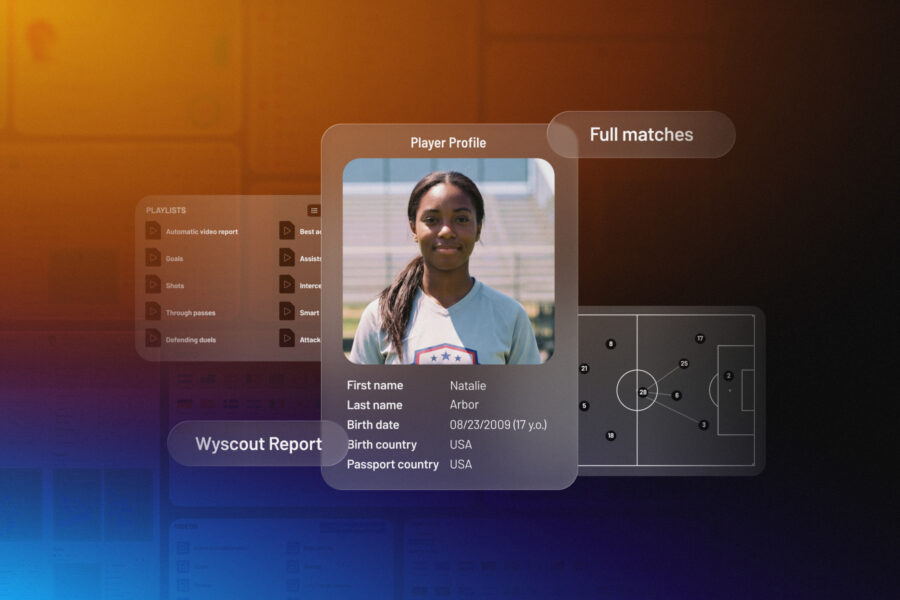
Hudl Wyscout is impressive. It’s the global standard for a reason. It’s the foundation of the world’s game, built for professional and college programs. But, club and youth organizations have never been able to see how it works and why it’s critical for recruiting, scouting and forming tactical philosophies.
With our recent addition of the ECNL League Exchange to Hudl Wyscout, ECNL became the first youth league in the United States to build this kind of integration. So let me take you inside.
I spend my days in Hudl Wyscout. I work with the game’s top programs, and I've had a front-row seat to how the world's largest soccer video and data library gets used. What I'm about to walk you through is what a college coach sees when they open Wyscout and go looking for their next recruiting class — and why ECNL being in it is a bigger deal than most people realize.
Soccer Video and Data on a Global Scale
Hudl Wyscout covers more than 1,000 leagues and competitions worldwide. Virtually every NCAA program and professional club on the planet uses it. It's the operating system for how modern soccer decisions get made.
Every ECNL League Exchange game is now in Hudl Wyscout and broken down within 72 hours. That means the same infrastructure that college coaches use to scout a Spanish Segunda División midfielder or prepare for a conference opponent is now covering your U16 conference game.
That's what it means to be on the global recruiting map.
What makes this different from a highlight reel or a recruiting profile on another platform is that Hudl Wyscout generates 2,500 data points per game — automatically, from video. No manual entry. No third party. The data comes directly from the footage.
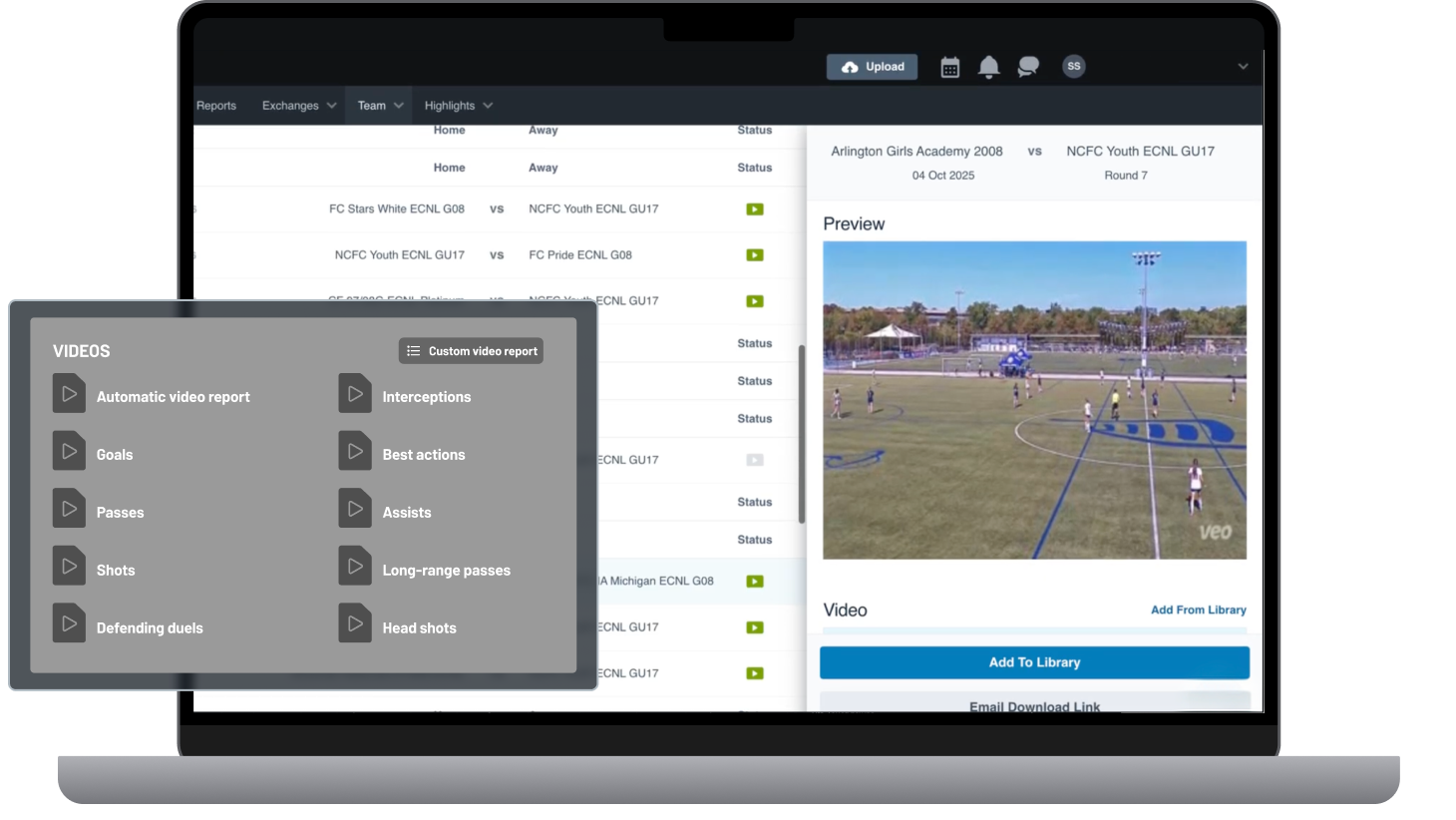
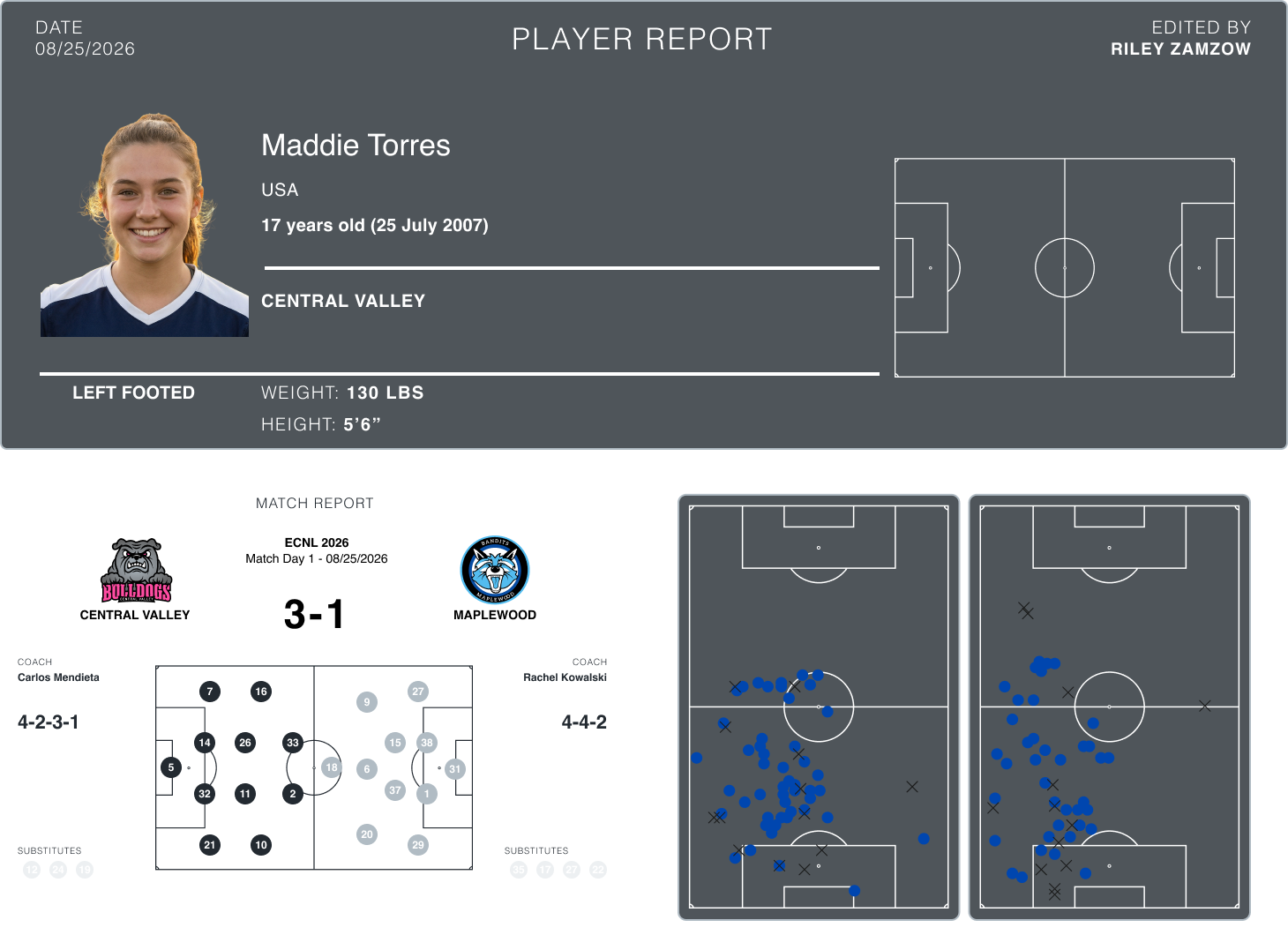
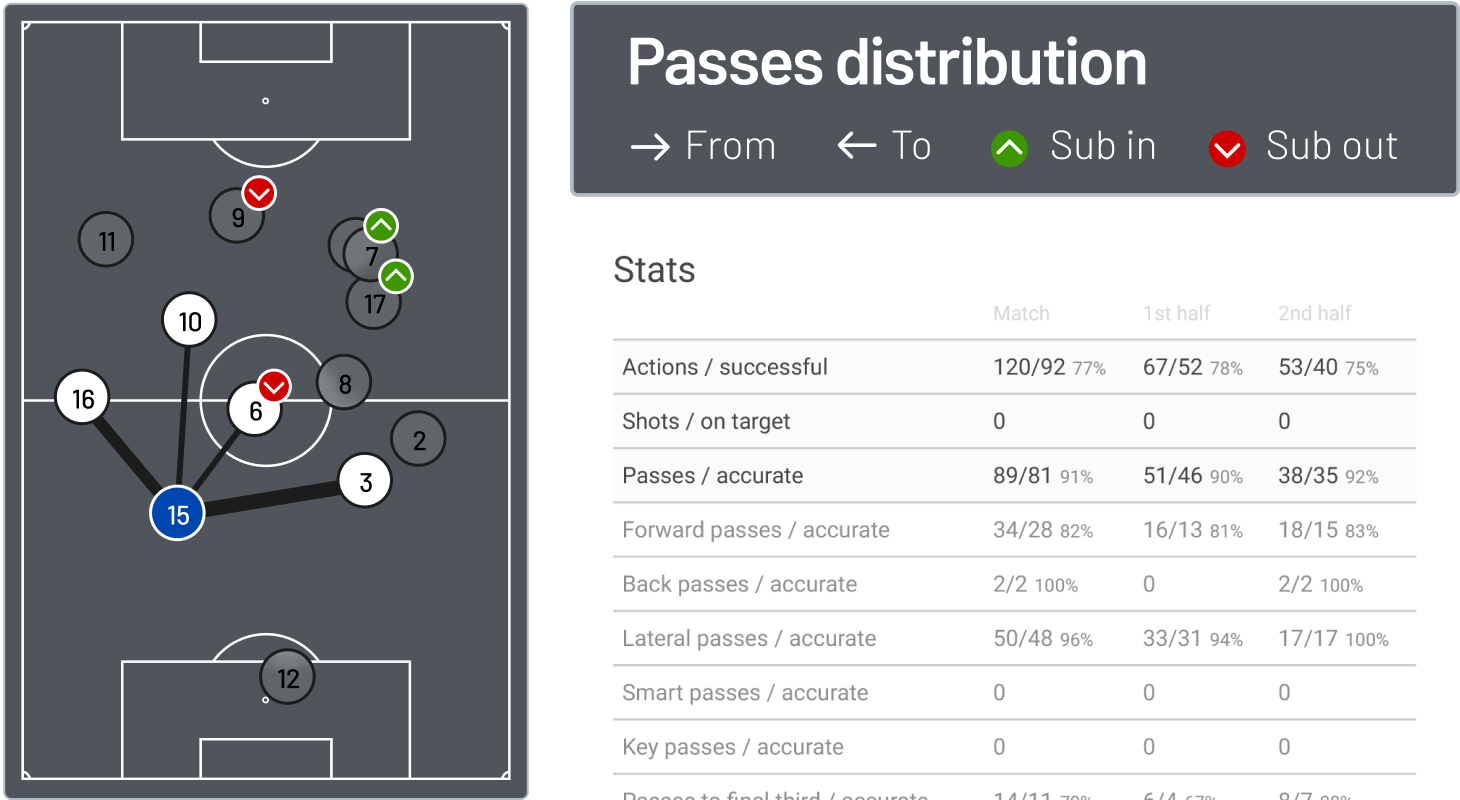
For clubs on Hudl, the data that flows into those profiles is professional-grade. That includes traditional stats alongside advanced metrics broken down by phase of play — attacking, defending, transition. Passing maps. Location data. Pressing intensity (PPDA). Average passes per possession. Long pass percentage. These are the metrics that tell a coach how a player fits a tactical system, not just whether they're athletic.
And coaches can build their own views. They'll set 10 to 15 KPI metrics as a preset — the metrics that match their program's style of play — and every player profile they look at will surface exactly that data, organized exactly that way. It makes cross-player comparison fast and consistent.
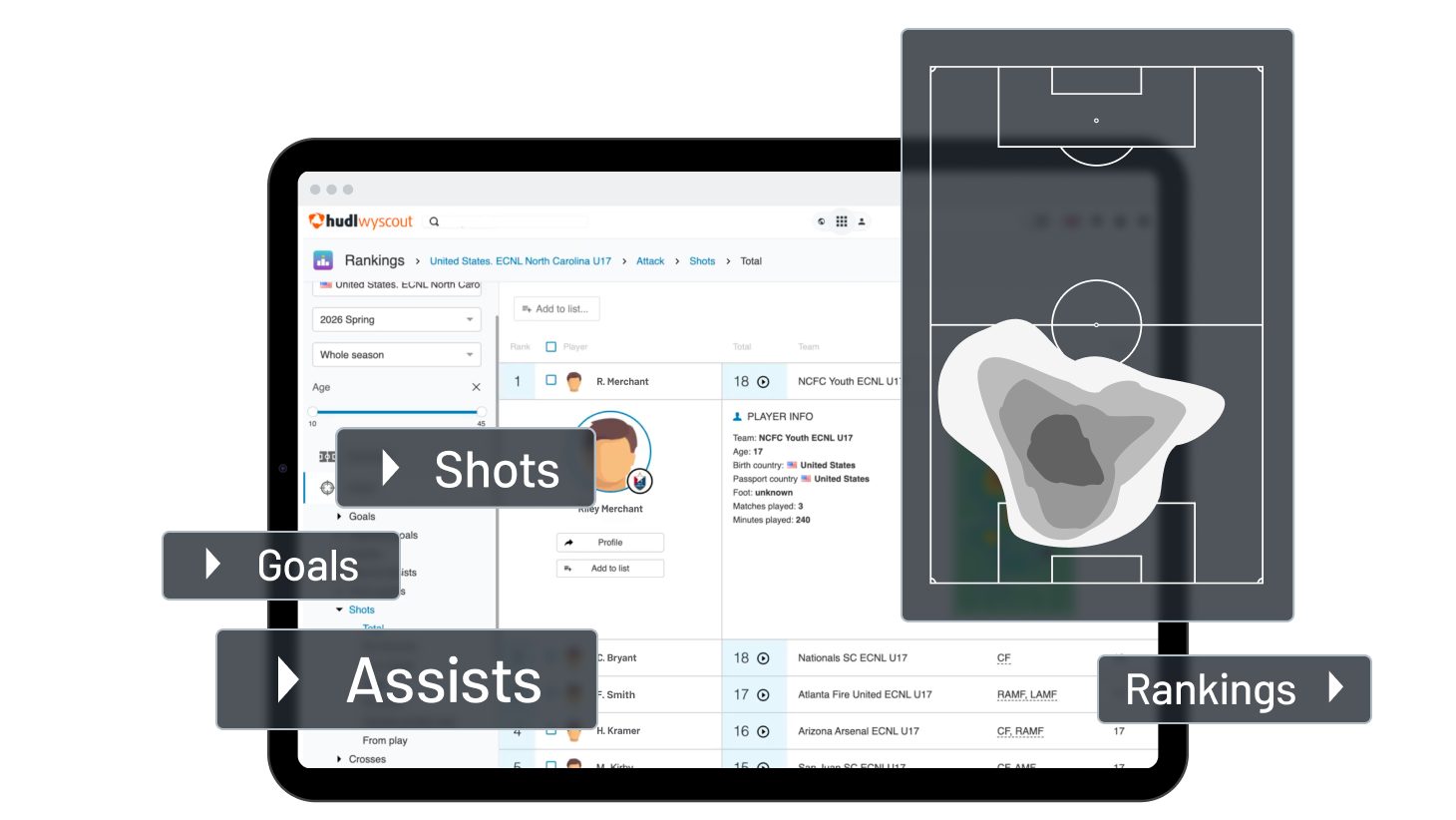
When a coach searches for the top ECNL players by dribbles in the final third, your athlete either appears or they don't. The data is the audition. And because the search is linked directly to video, a coach who finds your player in a ranking can immediately watch the moments that generated that number. They go from "this player is top 15 in the ECNL in 1v1s" to watching those duels in under a minute.
This is how players get found by programs they never reached out to. It's not about who has the best highlight reel — it's about who shows up in the search. That's a fundamentally different recruiting dynamic than anything ECNL has had before.
See It for Yourself
ECNL being added to Hudl Wyscout is massive. This is the first youth league in the United States to build this kind of integration. Your players are now in the same database where college and professional coaches live every day.
Go even further into the Wyscout platform by watching the recording of my ECNL exclusive Insider Session: Inside Wyscout to see how the platform delivers unparalleled visibility and recruiting opportunities for ECNL teams and athletes.
Access the recording here.