How Hudl Signal Prepares Fulham FC for the Premier League
10 Oct 2025
6 min Read
By Tony Sprangers
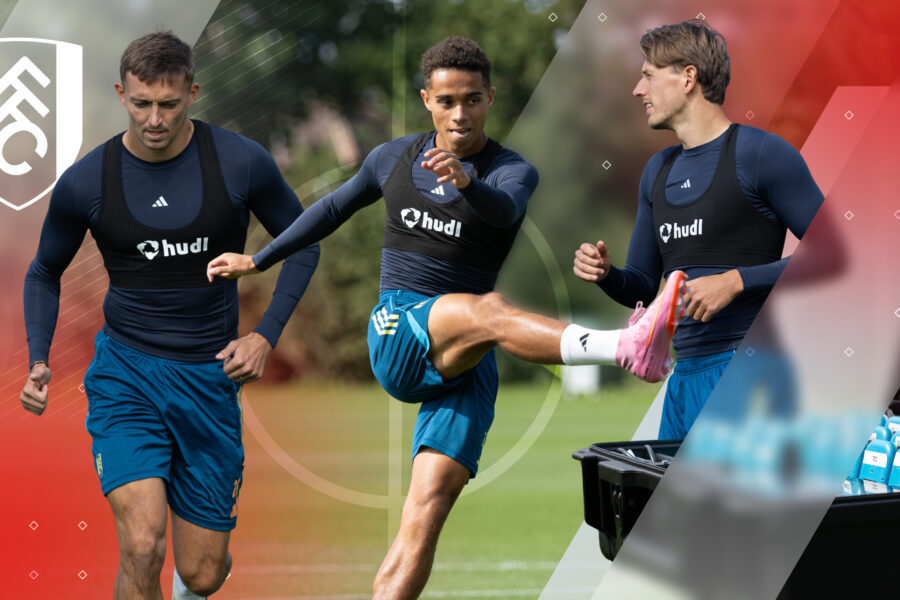
In this video, learn how Fulham FC use Hudl Signal to keep their players fit and healthy for the intense demands of Premier League action.
The English Premier League is known to be one of the fastest and most physical leagues in world football.
As top-flight regulars, Fulham FC know these demands better than most, with backroom staff such as Coaches, Analysts and Sports Scientists making daily preparations on the training ground that ensure that players are hitting their physical performance targets before every training session, and crucially, on match day.
Fulham have recently added Hudl Signal to complement WIMU within their Player Insights department, to better optimize their athlete monitoring processes, including: Their player’s physical readiness, ability to avoid injury and overall high performance, as well as saving them hours every day compared to their previous analysis workflow.
“The way the Hudl Signal system helps us is that it is a very efficient system,” said Fulham Head of Player Insights Lewis MacMillan.
“It's very fast, so we can get data so quickly after we’ve done a training session, or we’ve done a match. Then we can make decisions with actionable information.
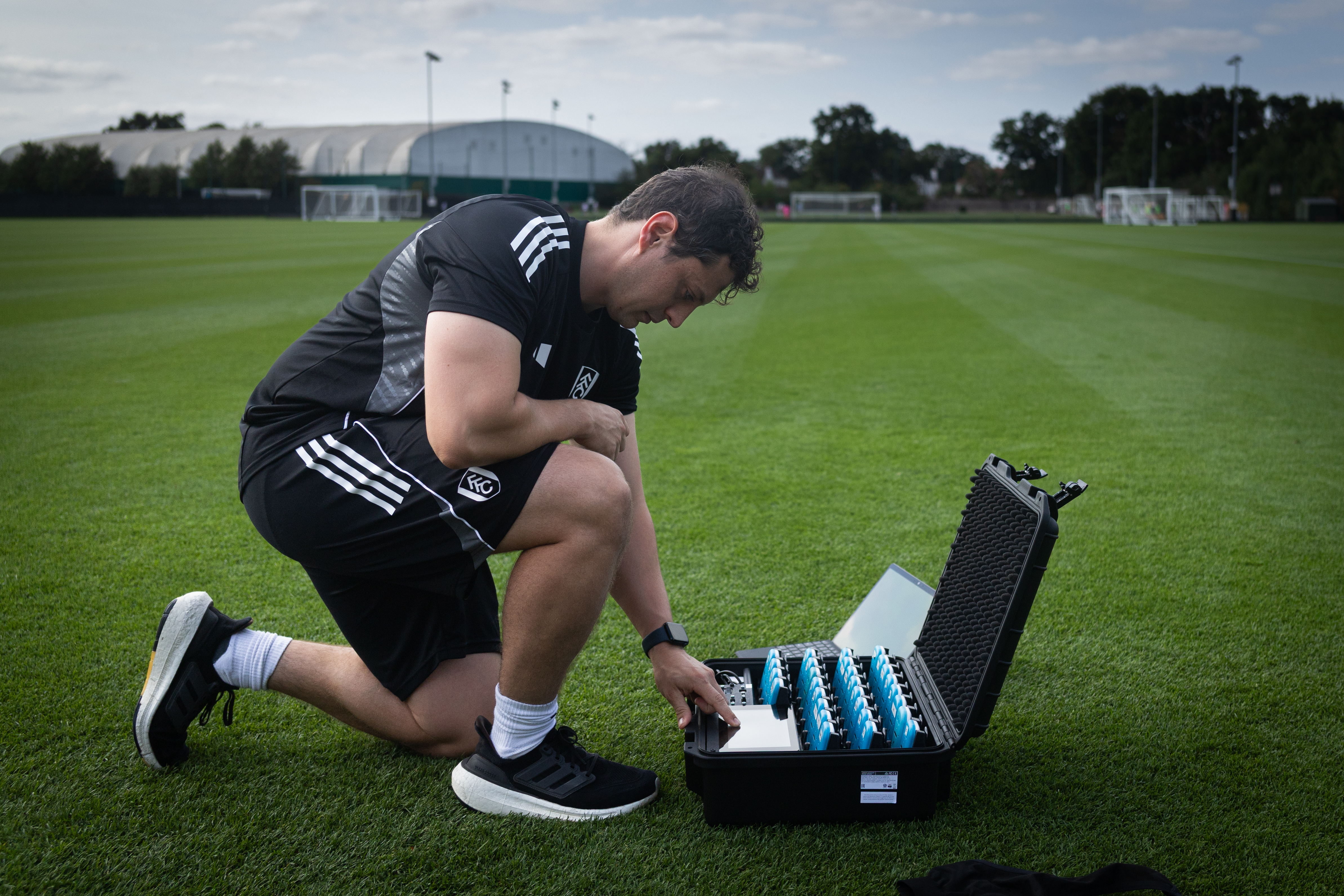
Head of Player Insights Lewis MacMillan preparing WIMU GPS devices at the Fulham training ground. These devices feed millions of data points into the Hudl Signal platform every session.
What does Hudl Signal provide Fulham FC?
Hudl Signal is the future of athlete monitoring. Combining sports science, data visualization, and cloud technology to maximize actionable insights and save more analysis time than ever before.
MacMillan’s role as Head of Player Insights has a strong focus on monitoring Fulham’s athletes and understanding their recovery. So having WIMU GPS vests on every player delivers a crucial role to helping Fulham’s sports science staff to understand whether players are overloaded, underloaded or ready for the match.
Every training session and game, millions of data points are sent from WIMU devices to the Hudl Signal cloud-based platform, where Fulham’s backroom staff can quickly make sense of this data and turn it into actionable insights.
“The metrics we are focus on are: sprint distance, high intensity, and some more intensive ones like accelerometer data,” said MacMillan. “We know there is a plethora of data on the WIMU devices, so we can also look at centrifugal force and how that can actually affect our training programs.
On top of that we have integrated heart rate vests, which allow us to get the heart rate data as well. So we can understand how players are affected by certain loads and see if they’re feeling more stressed than usual, on top of just being able to see their total running distances.”
Hudl Signal gives you the power to create bespoke and dynamic dashboards that fit the specific performance needs of your team. Daily Reporting, Microcycle Analysis and Longitudinal Analysis are just some of the options available.
No more Excel sheets: Time Saving for Sports Scientists with Hudl Signal
The Hudl Signal platform provides a range of bespoke dashboards that are populated with physical data points from WIMU devices.
Some examples of these dashboards include: Daily reporting, microcycle analysis, drill analysis, individual profiling and longitudinal analysis. This dashboarding feature has streamlined Fulham’s analysis of physical data, saving hours of labour per day.
“The area that saves us the most time is the dashboarding,” said MacMillan. “One of the things Sports Scientists are known and renowned for doing is a lot of Excel, and the dashboarding in Hudl Signal cuts that out entirely.
In our previous workflow, it was actually quite time consuming. What we had to do was take the data, download it, transfer it to the cloud, then download and edit that data.
We would then extract it into a CSV or Excel file and put that into a very old Excel document, we created years ago. Now, we don't have to do any of that. All we have to do is download the data from our WIMU devices straight to the Hudl Signal cloud.
As soon as the session is complete, about 20 minutes after, we get that data and we can action straight away to our coaching staff.
You can create it all on this one system, which means when we give information to a Coach, it's really simple, but also exactly what we want and need to show them.”
“One of the things Sports Scientists are known and renowned for doing is a lot of Excel, and the dashboarding in Hudl Signal cuts that out entirely."
Lewis MacMillan - Head of Player Insights, Fulham FC.
Visualizing Physical Data: The Next Level of Athlete Monitoring
Making sense of millions of physical data points is a key aspect of the workflow provided to Fulham’s Player Insights Team, but Hudl Signal takes athlete monitoring to the next level by allowing you to visualize these data points via integration with Hudl Sportscode.
Physical data points taken from WIMU devices, is dashboarded in Sportscode, where individual player actions like high-speed efforts and accelerations can be not only identified, but also be linked to specific vision of that action taking place.
“Combining all of this data together with visualisation, input of data, but also the video analysis, allows us to take down silos within our different departments,” said MacMillan.
“It allows us to speak the same language and why that’s so impactful is that it allows us to use the video and the GPS together, so we can do things like end-stage rehab and really do it properly.
We can create certain drills that will mimic exactly what we see from a high intensity, a sprint, and a max speed perspective.”
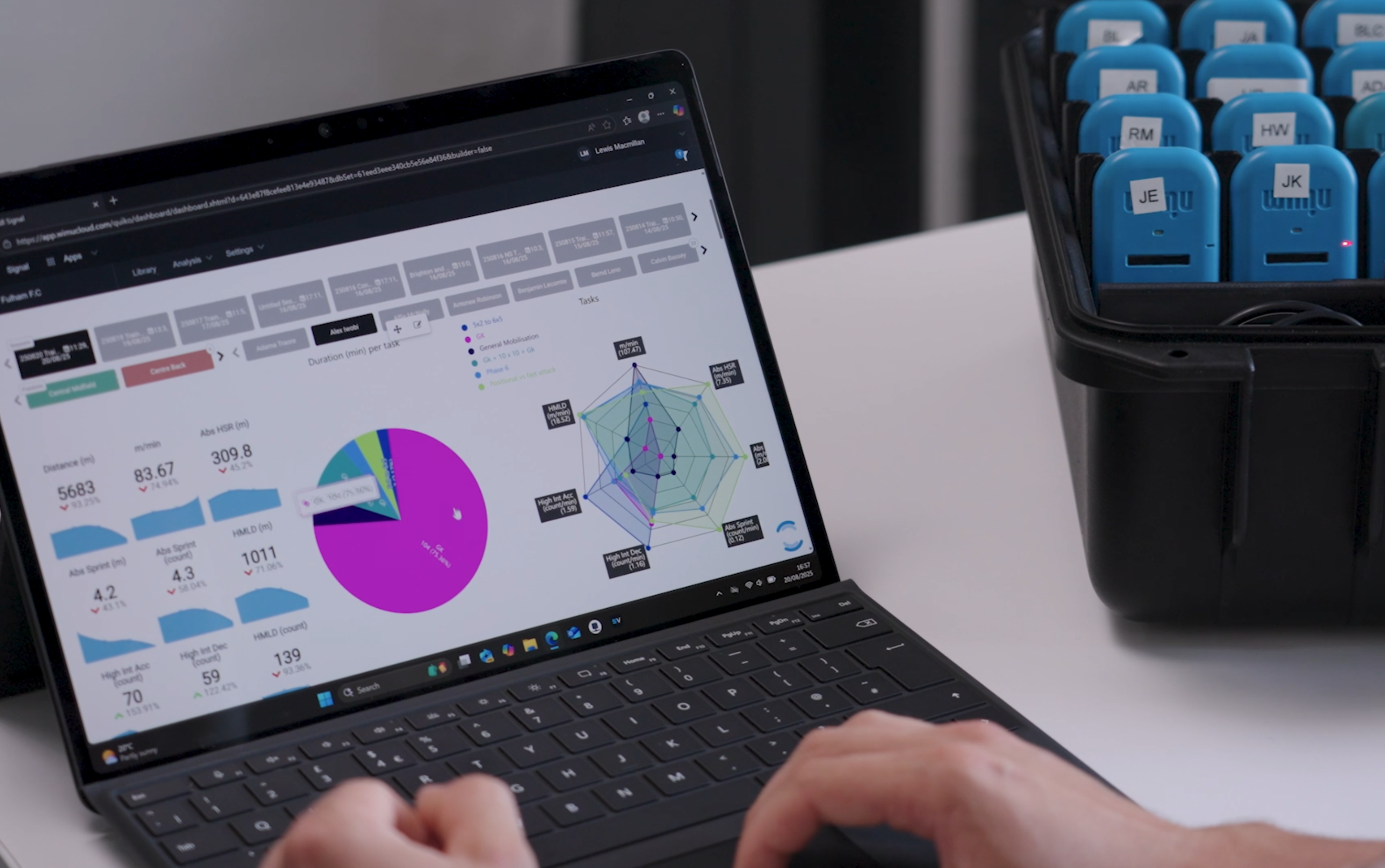
The Premier League level of athlete monitoring: An example of how WIMU GPS data can be visualized via Hudl Sportscode integration.
A Player’s Perspective on Hudl Signal: Josh King
“As a midfielder in such a demanding league as the Prem, it’s really important to be in such good physical condition,” said Fulham attacking midfielder Josh King.
“The Sport Scientists, they usually provide me with total distance, which I’m trying to hit. So usually I aim for about 11km to 12km, if I’m playing the full 90 minutes.
They also provide me with distance for high intensity. So, for sprint distance, I target two to three hundred metres of sprint distance, sometimes per half, sometimes in the whole game, and then for high intensity distance, up to about 1000m.
The Hudl Signal technology is really good, especially if you get injured and then are coming back from injury. It’s a really good way of managing your load and being able to know what you need to be achieving to then get back to full fitness.
Throughout the Academy I was also involved in using Hudl, and that probably has helped me to develop now into the First Team.”
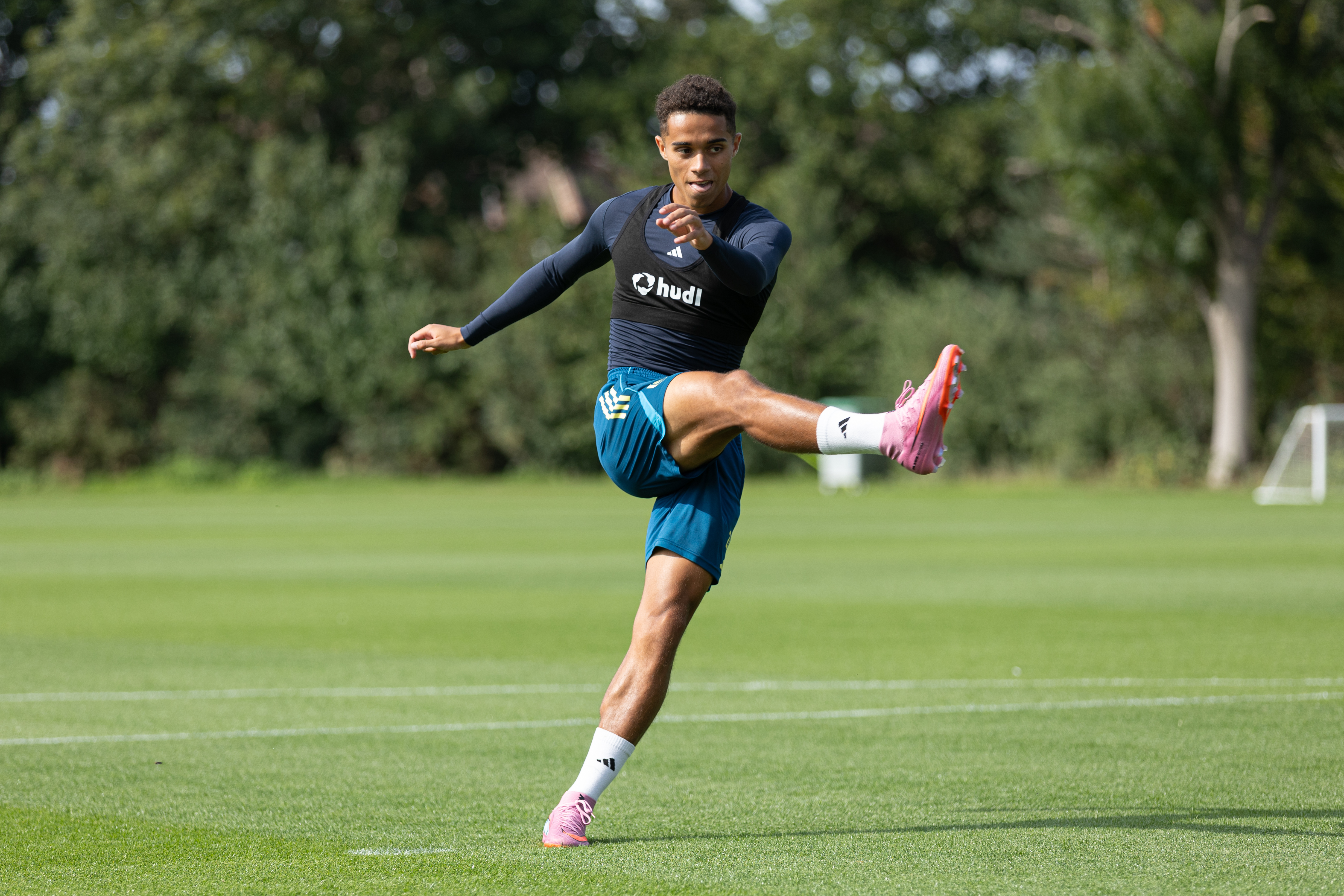
Josh King is an exciting young talent who has broken into the First Team at Fulham. He credits Hudl technology for helping him develop through the Academy, to now being a Premier League regular.
Ready to Elevate your Athlete Monitoring to the Next Level?
“Hudl Signal has absolutely improved our workflow," said MacMillan. “It has made things much more efficient and what we want as Sports Scientists is more time with our players, and that’s what Hudl Signal does.”