The High School Softball Recruiting Journey

A guide for high school-age softball players.
High school softball is experiencing a meteoric rise. It’s the fourth-fastest-growing sport among young women in the U.S., which is incredible for the game, but it’s creating a difficult high school to college bottleneck. Participation is skyrocketing, but the number of DI roster spots? Those are staying exactly where they are.
This is the new era of recruiting. It moves faster and is more crowded than ever.
Bonnie Holland, the owner of Extra Inning Softball, lives at the center of high school softball recruiting. Her team spends every day ranking players, spotlighting uncommitted talent, and helping coaches find next-level talent. We sat down with Holland to get a better feel for the recruiting roadmap for the modern high school softball player.
The Reality of the Roster Spot
The math is simple and, for some, can feel a bit unsettling. More elite players are entering the recruiting process than there are college programs to catch them. "Volume is the biggest shift," Holland says. It means the days of being "discovered" while playing at a local park are over. Visibility is now an intentional choice, not a happy accident.
She noted that serious athletes need to start the recruiting process as early as eighth grade. The heavy lifting happens in ninth and tenth grade. And by the time your junior year arrives, coaches should already know who you are.
Video is Your Best Recruiter
Let’s be real: college coaches are incredibly busy. They don’t have time to watch a seven-minute montage of every swing you’ve ever taken.
"Coaches often have about one minute to be impressed," Holland explains. This is where a tool like Hudl becomes your greatest asset. It’s not just about having video, though. It’s about presenting it in a way that’s easy to digest.
- Show Patterns: Don’t just show one great play. Show five in a row that prove your consistency.
- Identify Yourself: Don't make a coach guess which blur in the outfield is you. Use clear tags and circles.
- Keep It Professional: A clean and organized presentation suggests you’re serious about making it to the next level.
Stats That Actually Carry Weight
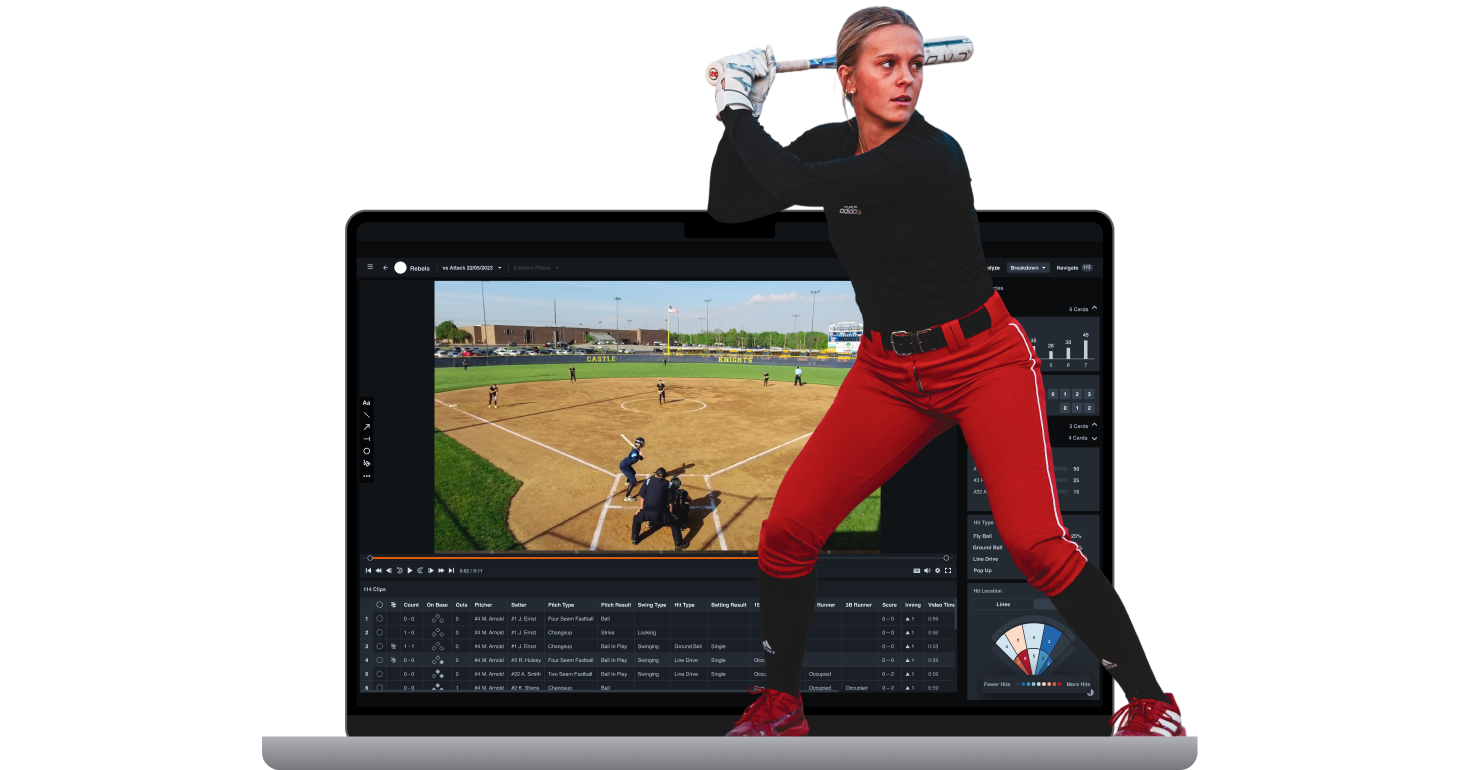
In the recruiting world, parent-scored stats are often taken with a grain of salt. Coaches want to see numbers they can trust. Holland is a massive proponent of third-party scoring and verified data. When a coach sees stats integrated through softball video analysis software like Hudl Assist, they know the data has been vetted. It adds a layer of legitimacy that a handwritten scorebook just can't match.
But remember: stats need context. Holland and her team evaluate players based on who they’re playing against. A .500 average against local competition is one thing; hitting .350 at a national tournament is another.