
Hockey Video Analysis Software
Everything you need to capture, analyze and share player performance in one platform that’s built to support smarter coaching, better scouting and more effective recruiting.
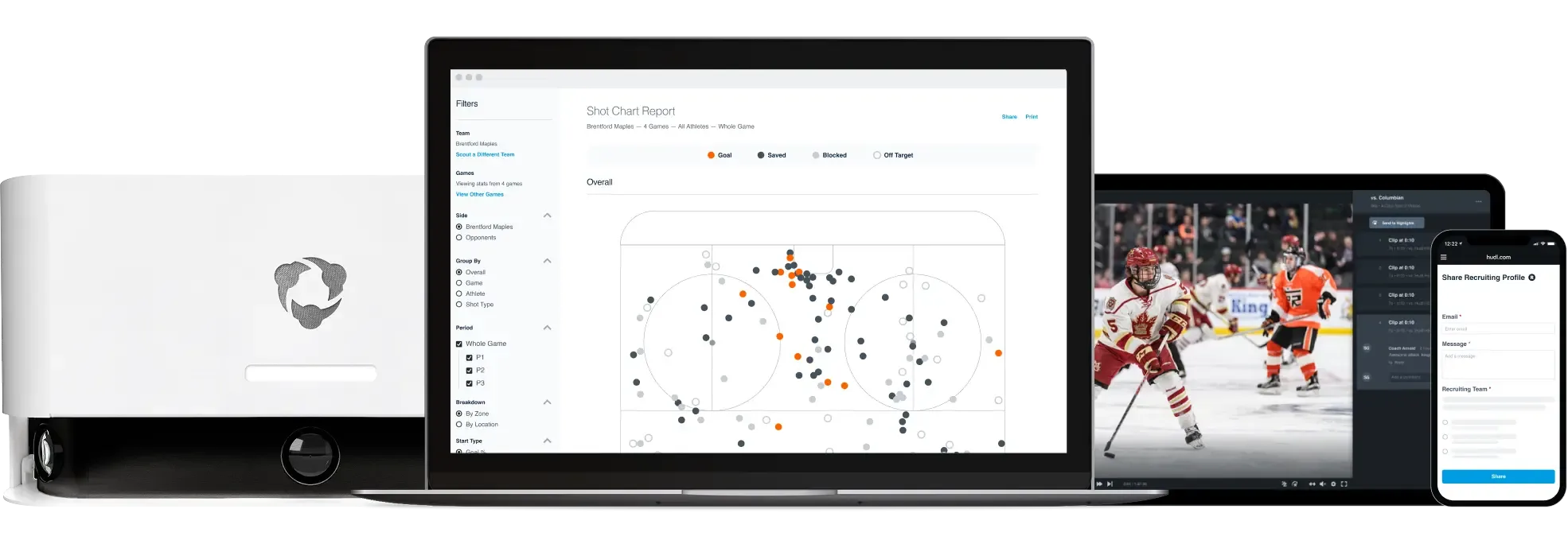
Built for Every Level of Hockey.
Trusted by teams from high school to pro.
Automatically Film Your Games
Our smart camera automatically captures your games, uploads the footage to Hudl and livestreams for your fans–without any extra costs.
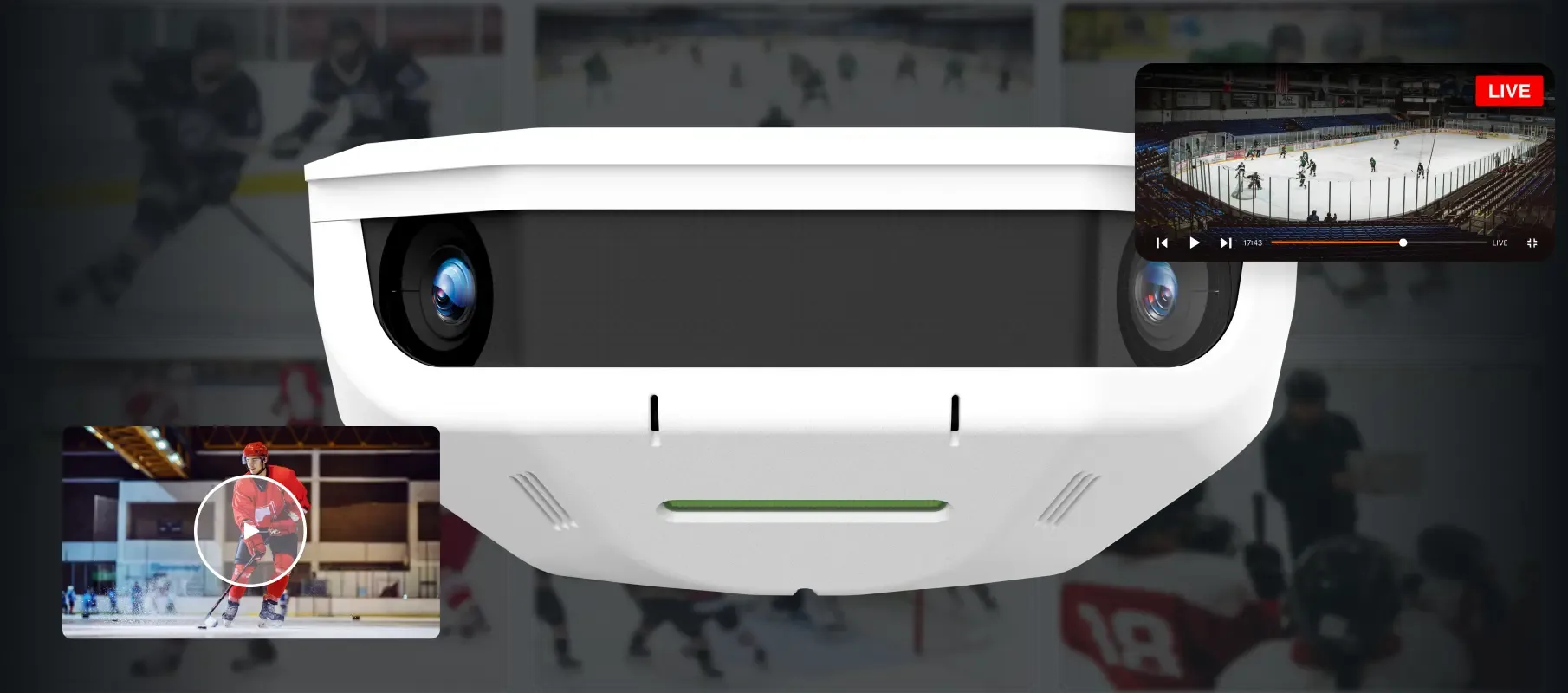

Make it easy for parents, fans and recruiters to tune in and never miss a moment.

Hudl Focus Flex tracks and records all the action–no cameraman required.

Crystal-clear HD video footage, perfectly framed for hockey.

Your camera goes with you, so you can film in any venue.

All game and practice film auto-uploads to Hudl for review, sharing or Assist breakdown.

Hudl’s new fan experience gives you access to monetize all your games with livestreaming to Hudl TV.
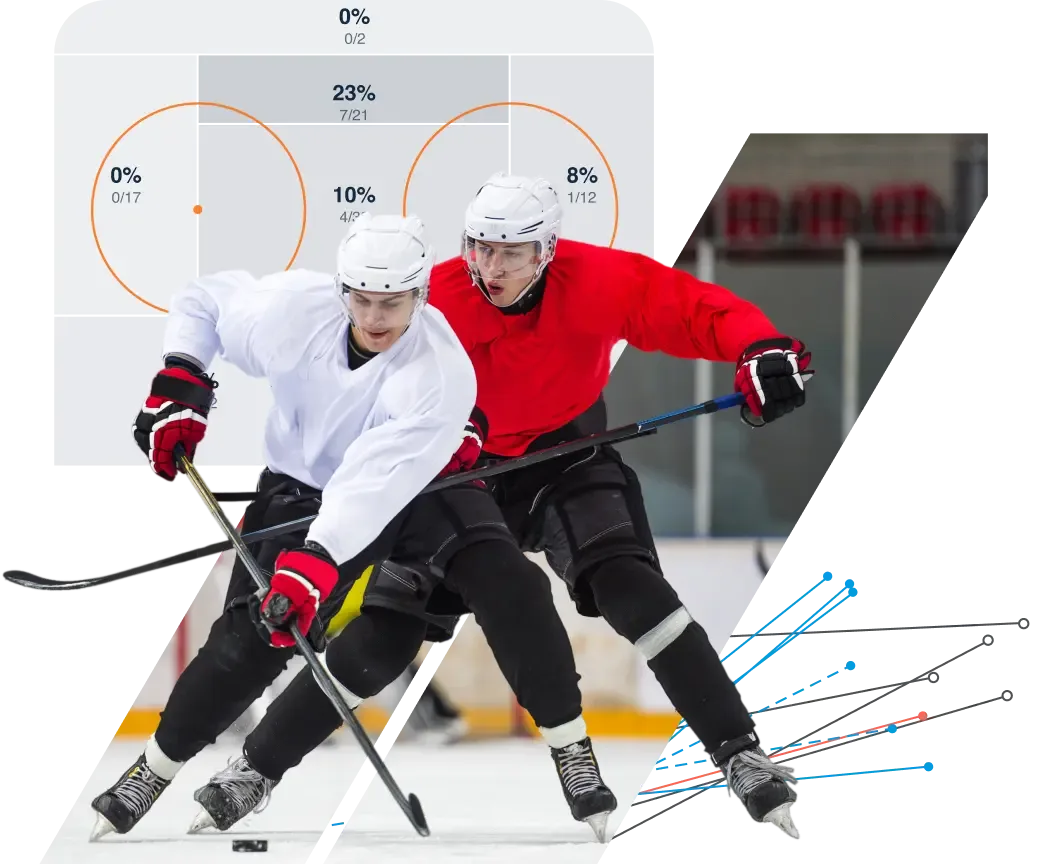
Breakdowns for Improved Scouting and Player Development.
Whether you want to take control over your analysis or prefer to leave it to our team of experts, we provide you with all the tools you need to improve every player.
- Customize your analysis with Hudl Sportscode.
- Leverage the gold standard for hockey analysis and scouting with Hudl Instat.
- Let our analysts handle the work with Hudl Assist.
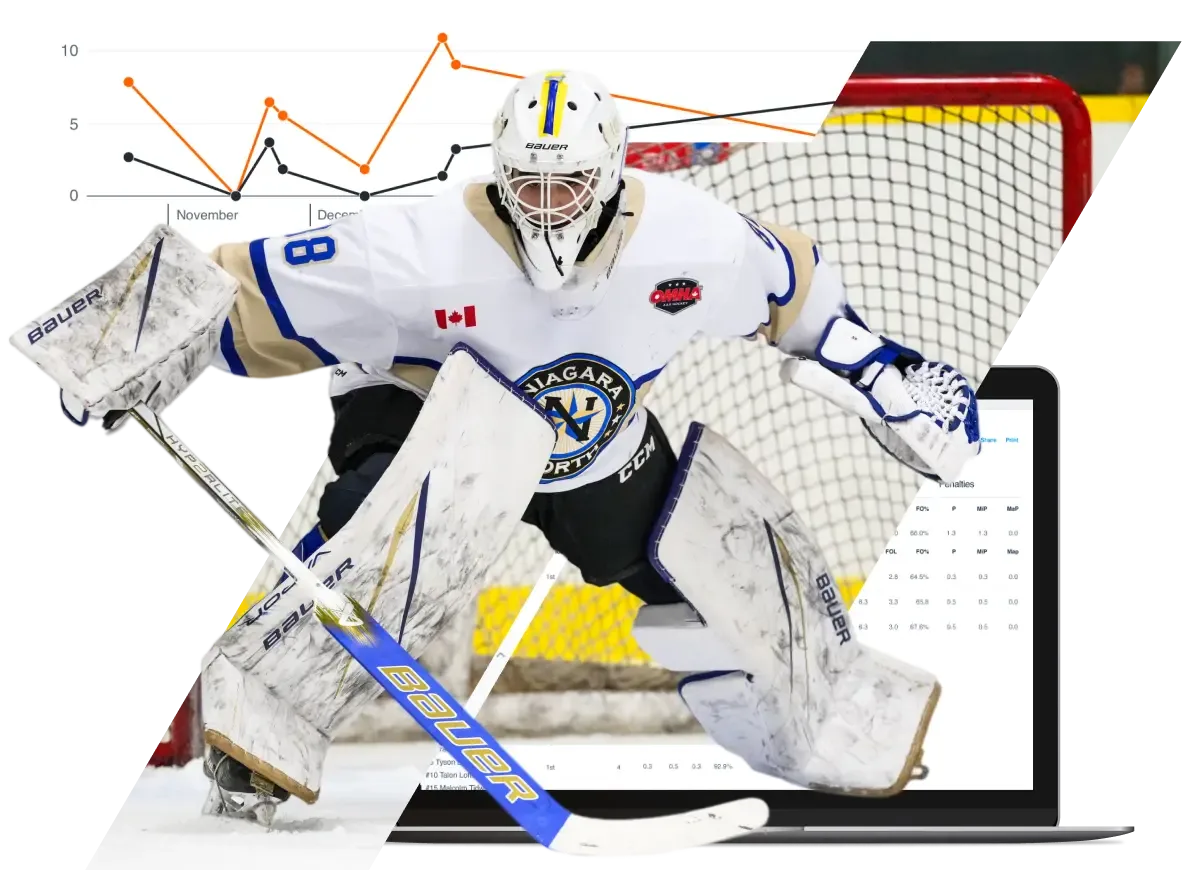
Hockey Performance Software for Enhanced Team Strategy.
The tools you need to turn your film into action. Elevate your team with powerful video analysis and data integration to quickly identify strengths, weaknesses and patterns in both your team and your opponents.
- Go a step further with workflows powered by Hudl Sportscode.
- Access industry-leading play diagramming with FastModel.
- In-game instant analysis from the bench with Hudl Replay.
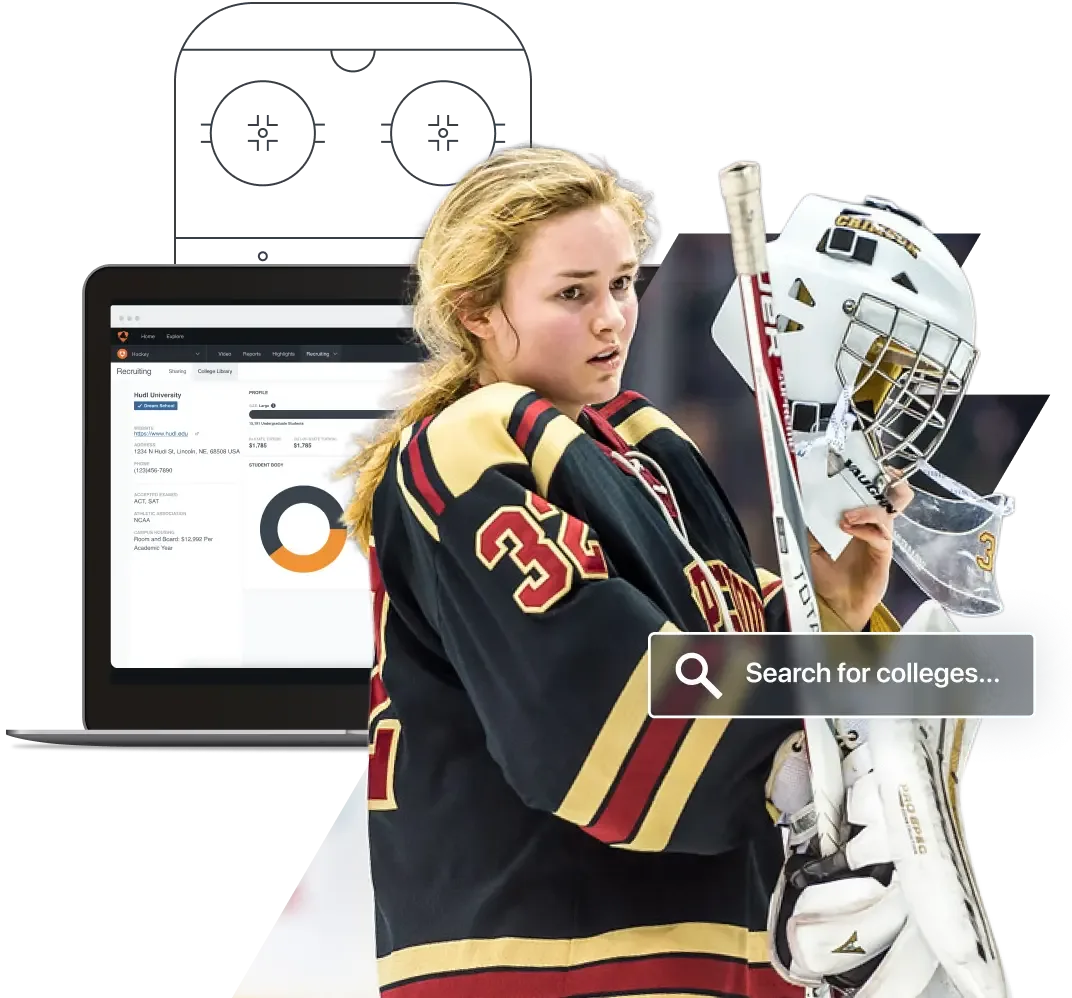
Advanced Scouting and Recruiting Tools.
Take the guesswork out of your recruiting. Access in-depth reports with key metrics that matter to you, so you can assess the right program for you, and uncover what you’re getting when a player signs—ensuring you make the right decision on the recruiting trail.
- Analyze comprehensive scouting data with Hudl Instat.
- Unlock opponent tendencies and trends with advanced breakdowns and reports through Assist.
- Get detailed, data-rich reports, video and data with league exchange.
Trusted by Top Teams and Orgs
“Hudl for our players is really big. They can watch shifts on the plane in between games, so it's really accessible for them…. we like to utilize everything that Sportscode and Hudl has to offer.”

Emily Engel-Natzke
Washington Capitals
Ready to get started?
Get in touch with our team.