Doubling Down on Data: Why Investing in Data Is an Investment in Football Coaches

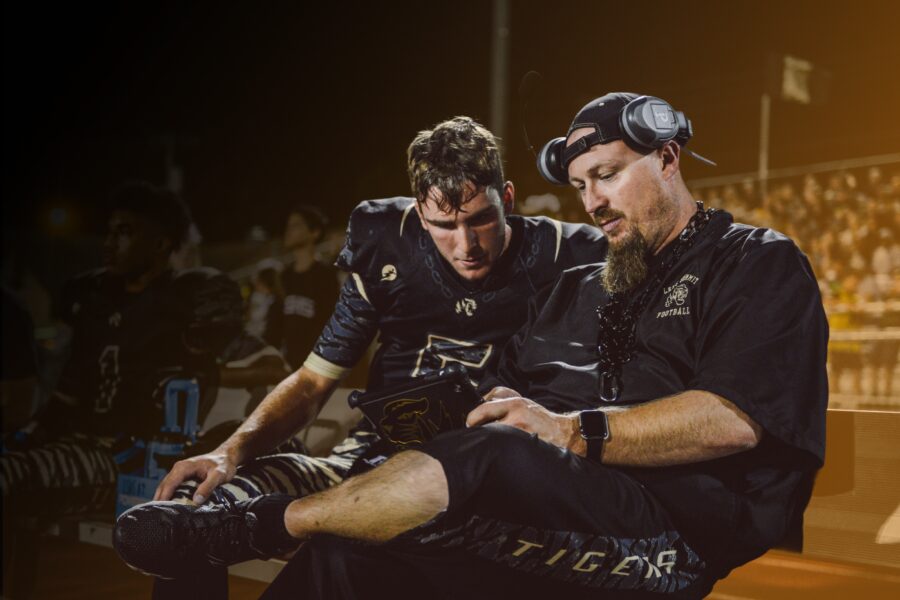
Data is your next time-saving edge. Here’s how we’re bringing you better data to drive smarter decisions, this season and beyond.
More Context for Every Moment
The first step towards doubling down on data is an expanded Hudl Assist with Assist+.
Tagging individual players is invaluable for both self and opponent scouting. But it’s a time-consuming, manual task. “We’ve heard teams say if they’re doing it themselves, they’re spending an hour, two hours,” said Martes.
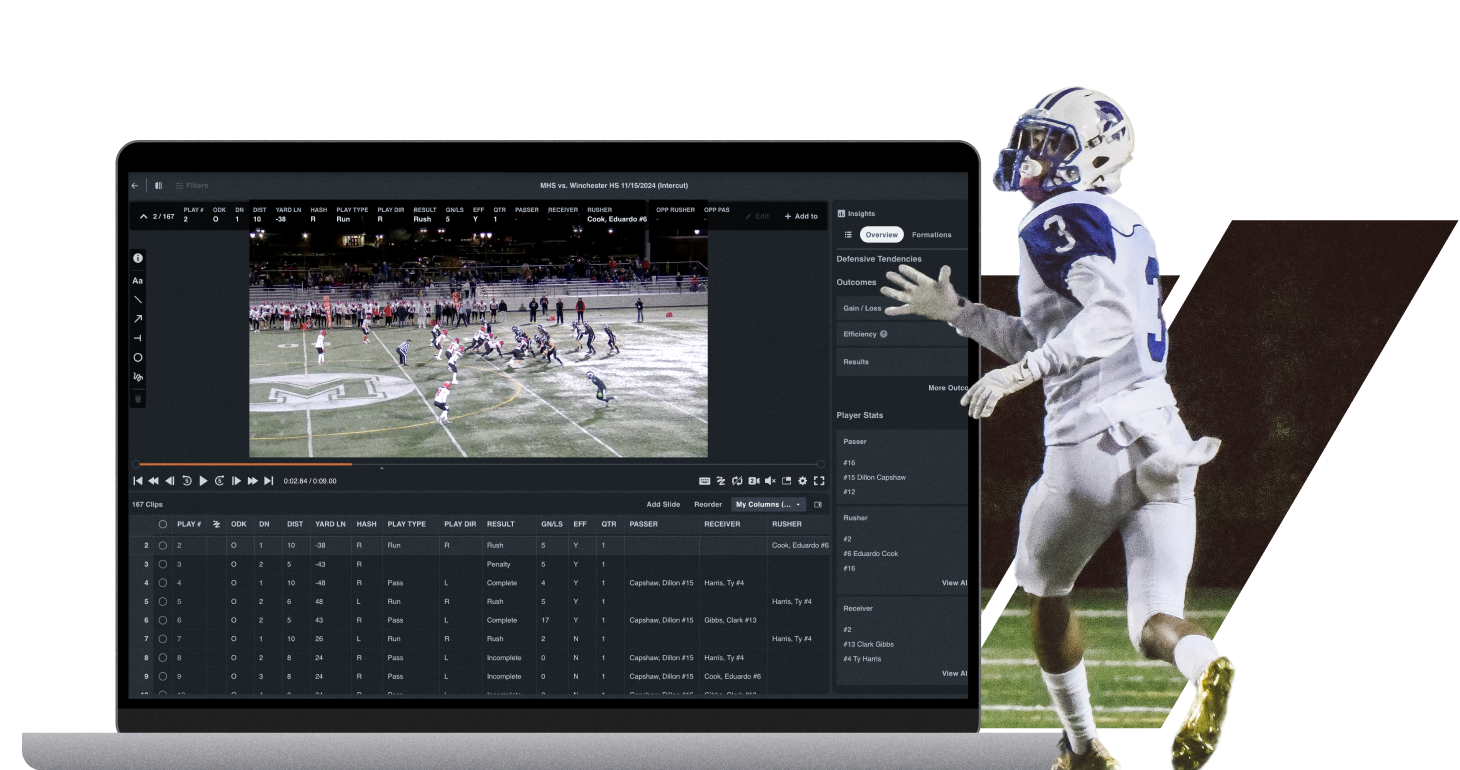
Assist+ introduces automatic player tagging for offensive skill positions, with plans to expand to additional positions. Previously, tagging was limited to standard ODK event outcomes like “passing touchdown.” Now, it tells you who made the play: “Quarterback X threw a 40-yard touchdown pass to receiver Y.”
“We're using those stats to build more comprehensive performance data of every athlete involved in the football season,” said Hypolite-Bishop.
Skill position tagging extends to your opponents' games, giving you a faster path to the insights you need. “That’s easily talking about 8 plus hours [saved] if you’re in the middle of the season, trying to scout every game your opponent has played,” said Martes.
Each of those tags links directly to video, so if a coach is scouting quarterback X or receiver Y, they can easily find every touchdown connection between them, build playlists and locate specific clips.
Having this level of stats and data linked to video also helps in recruiting. With recruiters already on the Hudl platform, Assist+ helps athletes tell their stories and gives college evaluators a faster path to finding the right fit.
“The tagging that we’re introducing answers that performance question of ‘can they play at a high level and perform in a game,’” Hypolite-Bishop added. “We build all those moments so that recruiters can easily get to the video they need to answer those key questions.”
Data is going to be the starting point for how [coaches] go about structuring their week, preparing for an opponent. They’re going to use it to tell them where they need to focus their time and energy.
The Next Evolution of Football Data
What’s in the works for the future? Look no further than how college and pro teams are using Hudl IQ's football data analysis to see what’s coming to high school football.
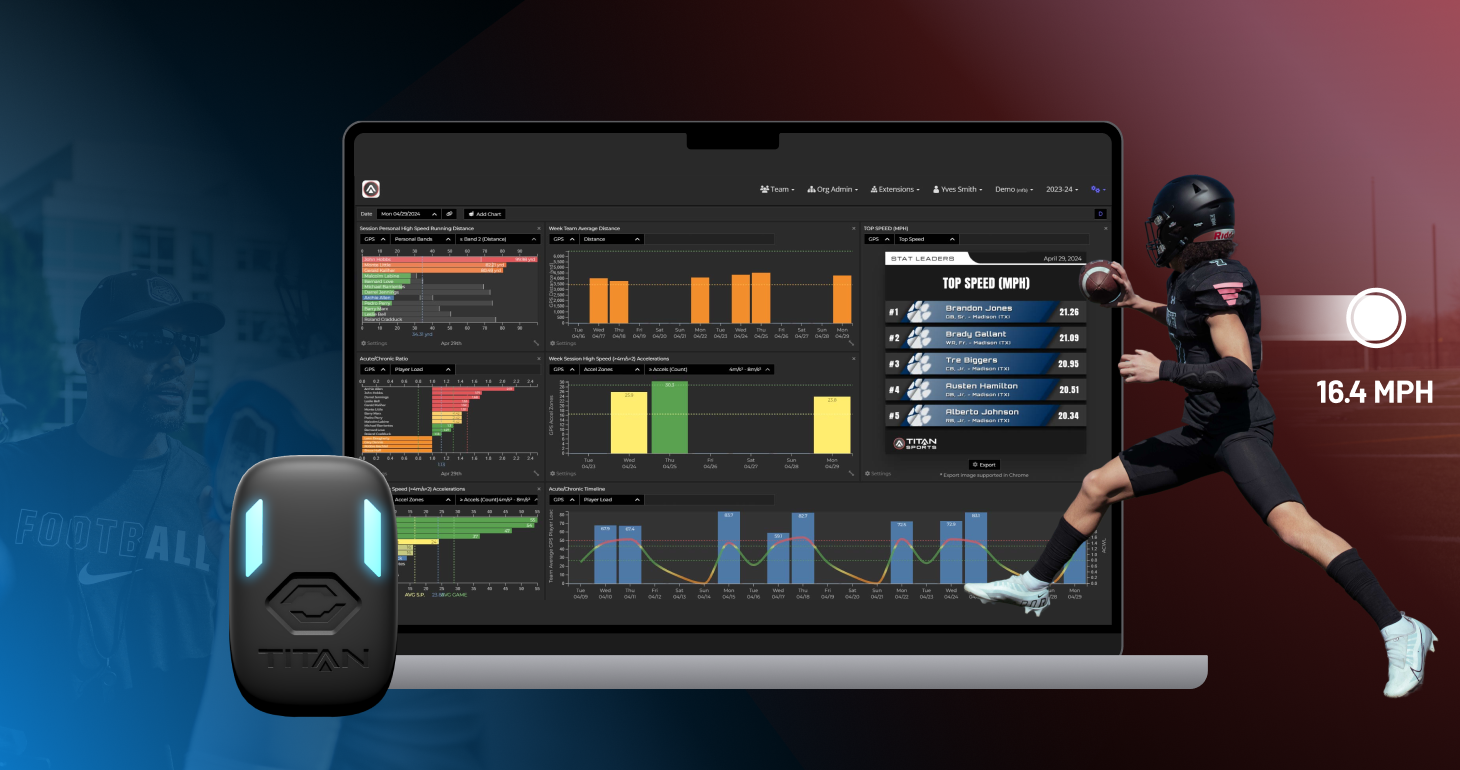
Hudl IQ specializes in contextual physical metrics, which combine the capabilities of Assist+ and Titan. “We’re looking at stitching events and tracking together,” said Hudl Product Manager Shane Regel. “This allows for a lot better evaluation of players’ capabilities within the context of a football game.”
The 40-yard dash has always been the gold standard for measuring speed, but timed speed doesn’t always match game speed. Titan helps by tracking game speed, but Hudl IQ takes it a step further by measuring speed within a specific event, like how fast a defensive back broke on a ball to cause an incompletion.
“We’re going one level further than just, ‘are they fast?’” said Regel. “We’re providing, ‘are they fast within the context of a football play that a coach wants to evaluate?’”
For now, it’s exclusively available to college and pro teams, but we’re excited to bring it to high school football.
The Future of Football Coaching Workflows
For coaches tapping into the full power of Hudl’s data, the future means faster, more efficient workflows. Your football video analysis and performance data will work seamlessly together, helping you find the most impactful, instructive moments quicker.
“[Data] is going to be the starting point for how [coaches] go about structuring their week, preparing for an opponent,” said Regel. “They’re going to use it to tell them where they need to focus their time and energy.”
“It’s going to give them the chance to maximize game-winning potential,” added Hypolite-Bishop.
Helping you win games is what drives us. At Hudl, we live and breathe football just like you do, and we’re committed to saving you time by delivering video and data that no one else can provide. We’ve come a long way together, and we’re just getting started.
Let’s get to work.